

%20(1)%201%20(1).webp)


ما هي بطاقة eSIM المستخدمة في السفن السياحية؟
%20(55).jpg)
لقد حجزت رحلة البحرية. وأنت الآن تخطط للموانئ والتوقيت وكيفية البقاء على اتصال دون أن تفرط في التفكير في الأمر.
في مرحلة ما، تسمع عن بطاقات eSIM المخصصة للسفن السياحية وتتساءل عما إذا كانت تعمل في البحر وفي كل ميناء تزوره.
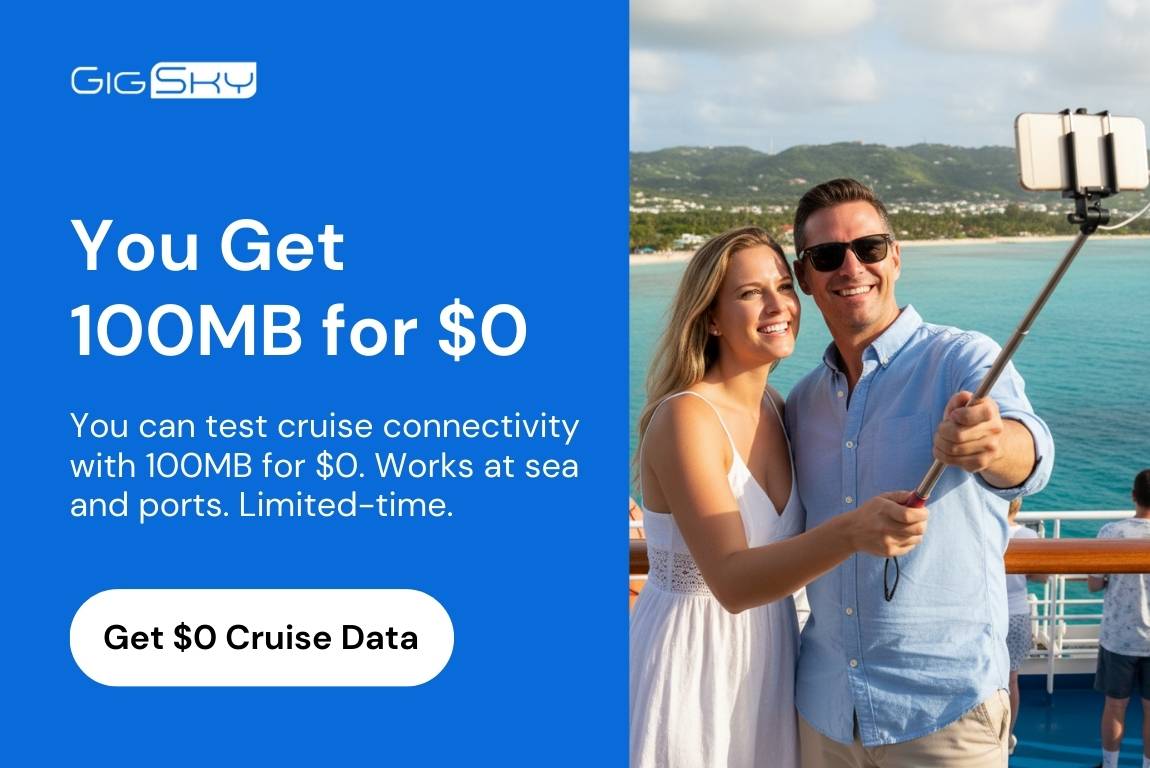
إذا كانت هذه هي المرة الأولى لك، فيمكنك حتى تجربة واحدة بسعة 100 ميجابايت مقابل 0 دولار. يشرح هذا الدليل ماهية بطاقة eSIM المخصصة للرحلات البحرية، وكيفية إعدادها، وما إذا كانت تناسب أسلوب سفرك. هيا بنا نبدأ.
ما هي بطاقة eSIM الخاصة بالرحلات البحرية؟
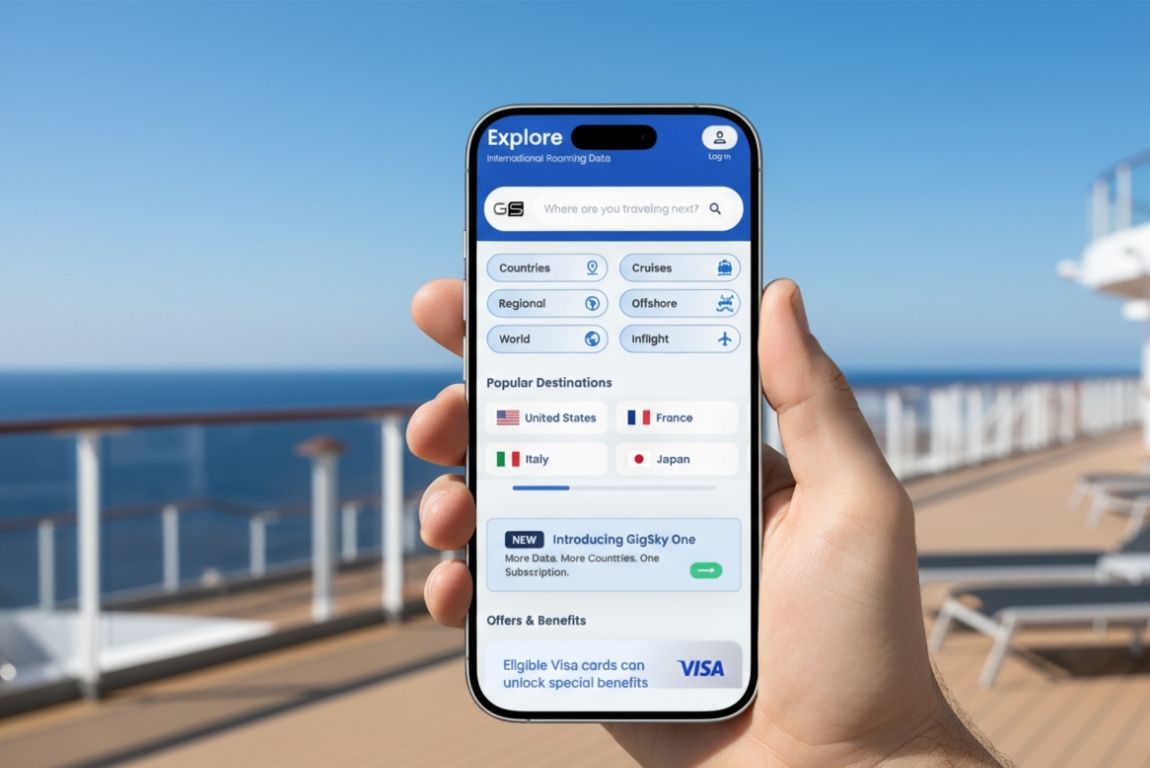
بطاقة eSIM هي بطاقة SIM مدمجة، وهي نسخة رقمية من الشريحة التي توجد عادةً في هاتفك.
يمكنك تنزيل ملف تعريف للهاتف المحمول على جهازك بدلاً من تغيير البطاقات الفعلية في كل مرة تعبر فيها الحدود. يتصل هاتفك بالشبكات المحلية بنفس الطريقة التي يتصل بها في بلدك، ولكن دون عناء البحث عن متجر لبيع بطاقات SIM في كل بلد جديد.
تستفيد بطاقات eSIM المخصصة للرحلات البحرية من هذا المفهوم وتطبقه على التحديات الخاصة بالرحلات البحرية. فأنت تتنقل بين الجزر. أنت في عرض البحر. ترسو في بلد ما لتناول الإفطار، ثم في بلد آخر بحلول وقت العشاء.
لا تراعي بطاقات eSIM القياسية المخصصة للسفر هذا النوع من التنقل، ولهذا السبب توجد خيارات مخصصة للرحلات البحرية.
يجب عليك التحقق من أمرين قبل أن تتمكن من استخدام أي شريحة eSIM. تحقق مما إذا كان هاتفك يدعم تقنية eSIM.
تدعم معظم الهواتف التي صدرت خلال السنوات القليلة الماضية هذه الميزة، لكن التحقق من ذلك يستغرق حوالي 30 ثانية على الرابط gigsky.com/device-compatibility. ثم تأكد من أن هاتفك غير مقفل على شبكة مشغل خدمة معين. فالهاتف المقفل لا يقبل شبكات أخرى، مما يخل بالغرض من الأمر برمته.
إذا كان لديك هاتف آيفون، فافتح «الإعدادات»، وانقر على «عام»، ثم «حول». ابحث عن «قفل شركة الاتصالات». يجب أن تظهر عبارة «لا توجد قيود على بطاقة SIM».
إذا كنت تستخدم نظام أندرويد، فانتقل إلى "الإعدادات"، ثم "الاتصالات"، ثم ابحث عن "مدير بطاقة SIM " أو "شبكات الهاتف المحمول". وجود خيار "إضافة eSIM" يعني أن هاتفك غير مقفل وجاهز للاستخدام.
إذا كان هاتفك مقفلاً، فاتصل بشركة الاتصالات قبل مغادرتك. يمكنهم فتحه عن بُعد، وعادةً ما يستغرق ذلك يومًا أو يومين.
هذا الأمر أكثر أهمية مما تتصور، لأن اكتشاف أن هاتفك مغلق وأنت واقف على رصيف الميناء في سانتوريني ليس باللحظة التي تتطلع إليها في عطلتك.
هل تعمل شرائح eSIM في البحر؟
هذا هو ما يثني معظم الناس. لا شك أنك سمعت عن شرائح eSIM المخصصة للسفر الدولي. لكن في البحر؟ عندما تكون على بعد مئات الأميال من أقرب برج إشارة؟
وهنا يكمن الأمر المثير للاهتمام. فمعظم مزودي خدمة eSIM، مثل Holafly وAiralo وSaily وNomad، لا يوفرون التغطية إلا عندما تكون في الميناء. وبمجرد أن تغادر سفينتك اليابسة، تنقطع اتصالك بالإنترنت. فتعود إلى الاعتماد على شبكة الواي فاي الخاصة بالسفينة أو تظل دون اتصال بالإنترنت حتى المحطة التالية.
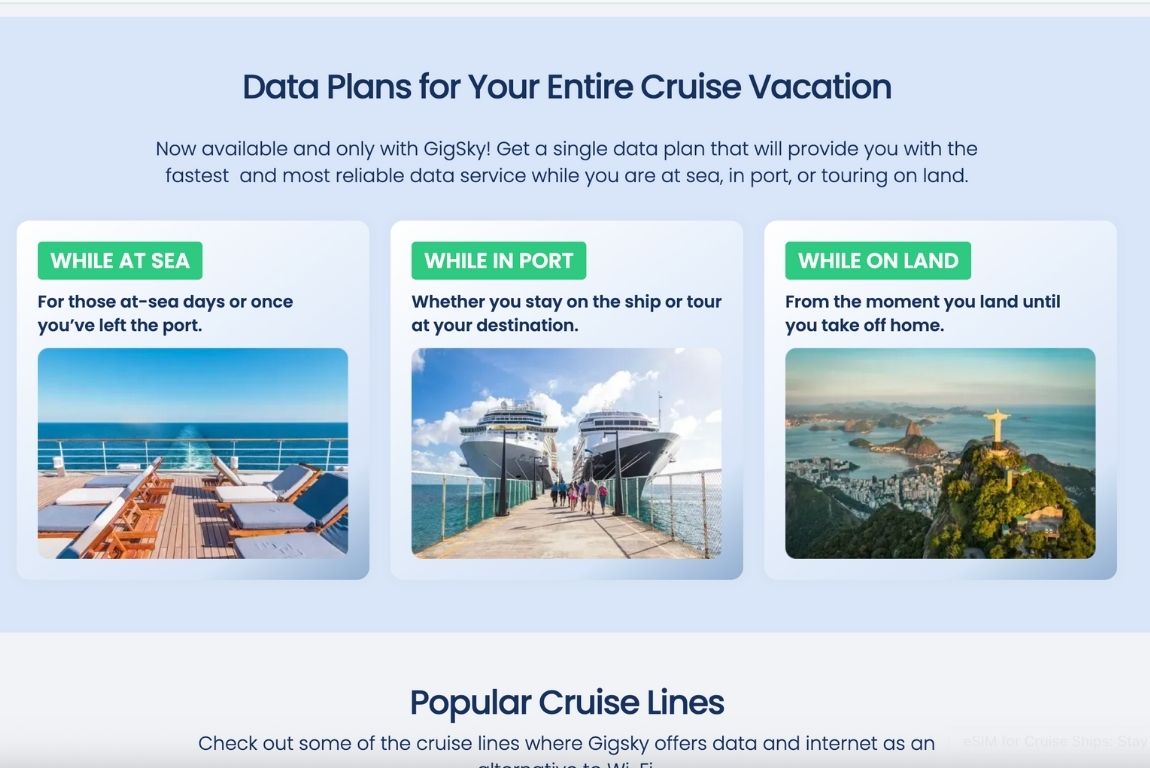
تختلف بطاقة eSIM الخاصة برحلات GigSky عن غيرها. فـ GigSky هي المزود الوحيد لبطاقات eSIM الذي يوفر خدمة الاتصال بالإنترنت سواء على متن السفينة أو في كل ميناء تزوره.
لقد طوروا باقات بيانات مصممة خصيصًا لسفن الرحلات البحرية، تغطي أكثر من 290 سفينة وأكثر من 200 وجهة برية. ابحث عن شركة الرحلات البحرية التي تسافر معها في القائمة
يقدمون نوعين من الباقات. توفر باقة «الرحلة البحرية + البرية» تغطية شبكية على متن السفينة وفي كل ميناء. أما باقة «الرحلة البحرية فقط» فتغطي السفينة فقط.
بالنسبة لمعظم المسافرين، تُعد باقة «الرحلات البحرية + الرحلات البرية» خيارًا أكثر منطقية، لأنك لن تضطر إلى التوفيق بين خطط متعددة أو التسارع لشراء شريحة eSIM جديدة في كل مرة ترسو فيها في مكان جديد.
مع مزودي الخدمة الآخرين، ستحتاج إلى شريحة eSIM منفصلة لكل بلد مدرج في خط سير رحلتك. ولهذا السبب، يعتبر العديد من المسافرين، استنادًا إلى التقييمات على الإنترنت، أن GigSky هي أفضل شريحة eSIM للسفر على متن السفن السياحية.
مع GigSky، ما عليك سوى تنزيل التطبيق، وإدخال اسم شركة الرحلات البحرية التي ستسافر معها، واختيار منطقتك (الأمريكتان والكاريبي، أو أوروبا، أو آسيا والمحيط الهادئ، أو البحر الأبيض المتوسط، أو حتى رحلة عبر المحيط الأطلسي أو رحلة حول العالم)، وستكون مغطى بالتأمين. خطة واحدة لرحلتك بأكملها.
بطاقة eSIM على متن السفن السياحية مقابل شبكة الواي فاي الخاصة بالسفينة
تعمل شبكة الواي فاي على متن السفينة السياحية عندما تكون داخل السفينة. وعندما تنزل في الميناء، تفقد هذا الاتصال. أما بطاقة eSIM المخصصة للسفن السياحية، فهي تبقيك على اتصال سواء داخل السفينة أو في كل ميناء تزوره، حسب الباقة الإقليمية التي تختارها.
يستخدم معظم المسافرين شبكة الواي فاي على متن السفن السياحية عندما يحتاجون إلى بث مقاطع الفيديو أو مشاهدة البرامج التلفزيونية أو العمل عن بُعد. وتتطلب هذه الأنشطة اتصالاً بالإنترنت عالي السرعة. أما بالنسبة للمهام الأقل استهلاكاً للبيانات، مثل استخدام تطبيق «واتساب» والمكالمات المرئية ووسائل التواصل الاجتماعي وتفقد البريد الإلكتروني، فيستخدمون شريحة eSIM.
في الواقع، يستخدم العديد من المسافرين كلا الخيارين. فهم يحتفظون بشبكة الواي فاي الخاصة بالسفينة للأنشطة التي تتطلب نطاقًا تردديًا عريضًا على متن السفينة، ويستخدمون بطاقة eSIM من GigSky كخيار احتياطي عندما يكونون داخل السفينة أو عندما يحتاجون إلى اتصال موثوق به في الميناء.
لا يحتاج بعض المسافرين إلى استخدام الإنترنت بكثرة على متن السفينة، لذا يكتفون باستخدام بطاقة eSIM للحصول على اتصال أساسي طوال رحلتهم.
يعتمد الاختيار في الحقيقة على الطريقة التي تخطط بها لاستخدام الإنترنت أثناء رحلتك البحرية.
ماذا عن البلدان المتعددة؟
وهنا تكمن الصعوبة في استخدام بطاقات eSIM، وذلك اعتمادًا على مزود الخدمة الذي تختاره.
مع معظم شركات بطاقات eSIM، تحتاج إلى باقة واحدة لكل بلد. إذا توقفت رحلتك البحرية في خمسة بلدان، فستضطر إلى شراء خمس بطاقات eSIM مختلفة.
وماذا لو غيرت السفينة مسارها أو توقفت في محطة غير متوقعة؟ سيكون عليك شراء خطة أخرى في منتصف الرحلة.
تحل GigSky هذه المشكلة من خلال الباقات الإقليمية. تغطي باقة واحدة مسار الرحلة بأكمله. وسواء كانت رحلتك البحرية تشمل 48 دولة في الأمريكتين ومنطقة البحر الكاريبي، أو 44 دولة في أوروبا وشمال إفريقيا (التي تزداد شعبيتها)، أو 25 دولة في منطقة آسيا والمحيط الهادئ، أو 9 دول في الشرق الأوسط، أو 128 دولة في رحلة بحرية حول العالم، فستكون مشمولاً بالتغطية.
يتم تفعيل باقة GigSky Cruise + Land فور نزولك من السفينة. ولا تحتاج إلى تعديل الإعدادات أو تشغيل أي شيء يدويًّا.
كم تبلغ تكلفة باقات eSIM الخاصة بـ Cruise؟
تبدأ أسعار باقات GigSky من 18.99 دولارًا وترتفع حسب كمية البيانات التي تحتاجها. يمكنك الاختيار من بين سعات تتراوح بين 512 ميغابايت و20 غيغابايت. السعر المعروض في التطبيق هو السعر الذي ستدفعه.
لن يتم إضافة أي رسوم عند الدفع، ولن تُفرض أي رسوم معالجة لاحقًا، ولن تجد أي مفاجآت في كشف حساب بطاقتك الائتمانية بعد شهر من الآن.
هناك أمر واحد يستحق القيام به قبل مغادرتك: قم بإيقاف تشغيل بطاقة SIM الأساسية بمجرد تفعيل بطاقة eSIM.
سيستخدم هاتفك بطاقة eSIM بشكل افتراضي لتصفح الإنترنت، مما يعني أنك لن تتحمل أي رسوم تجوال غير متوقعة.
ما مدى صعوبة الإعداد؟
يعتقد الناس أن هذه الخطوة ستكون معقدة. لكن في الغالب، لا تستغرق سوى خمس دقائق تقريبًا.
يقوم الكثير من المسافرين بتنزيل بطاقة eSIM في المنزل، ويتركونها مغلقة، ثم يقومون بتشغيلها بمجرد صعودهم إلى السفينة.
يبدأ تفعيل الخدمة بعد حوالي ساعة من مغادرة السفينة الميناء، لذا إذا كنت تخطط لنشر صور من يوم الصعود إلى السفينة، فقد تضطر إلى الانتظار حتى تبدأ الرحلة فعليًا. وهذا ليس مثاليًا إذا كنت ترغب في توثيق كل لحظة، لكنه أمر يمكن تحمله.
إذا كانت هذه العملية تثير قلقك، فجرب الإصدار التجريبي المجاني من GigSky بسعة 100 ميغابايت قبل أن تلتزم باشتراك كامل.
قم بتثبيته، وافتح بعض التطبيقات، وأرسل رسالة، وتأكد من أنه يتصل بالشكل الصحيح.
إذا كانت جميع البيانات صحيحة، يمكنك إضافة المزيد من البيانات في التطبيق.
إليك الخطوات:
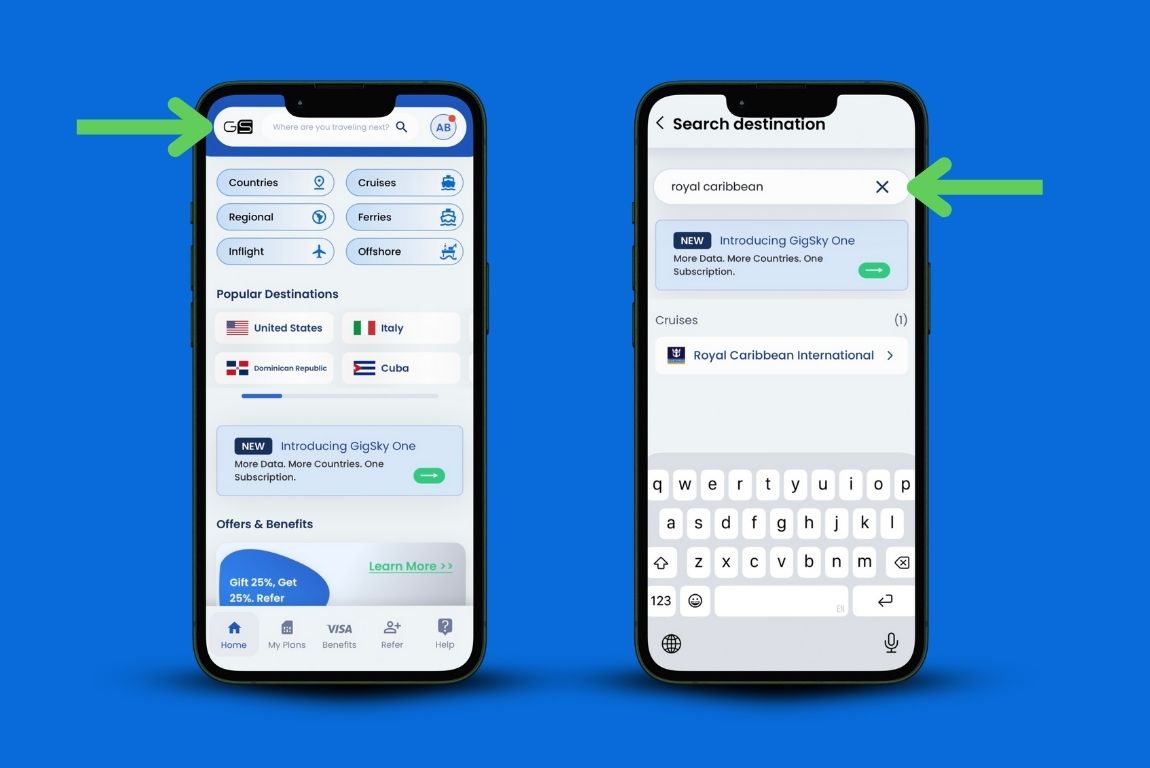
- قم بتنزيل تطبيق GigSky.
- أنشئ حسابًا.
- اكتب اسم شركة الرحلات البحرية في شريط البحث.
- اختر سفينة الرحلات البحرية التي تريدها من القائمة.
- اختر المنطقة التي ستسافر إليها.
- اختر باقتك وفقًا لحجم البيانات التي تحتاجها ومدة رحلتك.
يمكنك تثبيت GigSky eSIM مرة واحدة فقط. بعد هذا الإعداد الأول، يمكنك إعادة استخدامه في كل رحلة. لا حاجة لإعادة تثبيت أو تنزيل أي شيء جديد في كل مرة تسافر فيها.
ماذا لو كنت بحاجة إلى البيانات في الميناء فقط؟
لا يحتاج الجميع إلى اتصال دائم بالإنترنت. فهناك بعض المسافرين الذين يكتفون بوجود اتصال بيانات موثوق به عندما يكونون خارج السفينة، أثناء تجولهم في المدن الساحلية، أو عند استخدام خرائط Google، أو الاطلاع على تقييمات المطاعم، أو مراسلة الأصدقاء.
تعد باقة "Cruise + Land " من GigSky الخيار الأمثل لهذا الغرض. فهي توفر لك تغطية في كل ميناء تزوره سفينتك، دون الحاجة إلى شراء باقات منفصلة أو القلق بشأن توفر الإشارة عند نزولك من سلم السفينة.
هل يستحق الأمر العناء؟

لننتقل إلى السؤال الحقيقي: هل أنتَ تبالغ في الاستعدادات؟ هل هذا أمر يفعله المسافرون ذوو الخبرة؟
الإجابة الصادقة هي «لا» و«نعم» في آن واحد. يعتمد العديد من المسافرين المتمرسين على بطاقات eSIM لأنها بسيطة، وبأسعار معقولة، وتتميز بالشفافية.
ستعرف المبلغ الذي ستدفعه قبل الإبحار، ولن يكون هناك ما تحتاج إلى الاهتمام به بمجرد صعودك على متن السفينة.
لا تتعلق هذه المزايا والعيوب ببطاقة eSIM نفسها، بل بكونك في عرض البحر. فسفن الرحلات البحرية مصنوعة من كميات كبيرة من المعدن، والمعدن يتسبب في تشويش الإشارات. وهذا يعني أنك ستحصل غالبًا على أقوى اتصال على سطح السفينة أو في المناطق المشتركة القريبة من الهوائيات، بينما تكون الخدمة أضعف داخل الكبائن.
وينطبق ذلك على جميع خيارات الاتصال المتوفرة على متن السفينة، وليس فقط على خدمة GigSky.
هناك تفصيل عملي آخر يجب معرفته: عادةً ما يتم تفعيل بطاقات eSIM هذه بعد حوالي ساعة من الإقلاع. فهي ليست مصممة للاستخدام الفوري فور صعودك على متن الطائرة، لذا من المفيد أن تضع هذا التوقيت في اعتبارك عند التخطيط لرحلتك.
بالنسبة لمعظم المسافرين، تُعد هذه القيود طفيفة، وتستحق العناء مقابل الراحة التي توفرها.
ملخص: شرح تقنية eSIM في السفن السياحية
- تتيح لك بطاقة eSIM المخصصة للرحلات البحرية الاتصال بشبكات الهاتف المحمول المحلية أثناء رحلتك البحرية، دون الحاجة إلى تغيير بطاقات SIM الفعلية. ما عليك سوى تنزيل ملف تعريف الهاتف المحمول على جهازك، وسيتم الاتصال تلقائيًا.
- تعد GigSky المزود الوحيد لبطاقات eSIM الذي يوفر خدمة الاتصال داخل السفينة وفي كل ميناء تزوره، مع تغطية لأكثر من 290 سفينة سياحية وفي أكثر من 200 وجهة.
- تعمل شبكة الواي فاي على متن السفينة داخلها، حيث تتشارك النطاق الترددي مع آلاف الركاب. أما بطاقة eSIM من GigSky فتمنحك اتصالاً بالإنترنت على متن السفينة وفي الميناء، دون الحاجة إلى مشاركة النطاق الترددي.
- وفقًا للتعليقات على الإنترنت، تُعتبر Gigsky أفضل بطاقة eSIM للسفر على متن السفن السياحية، لأن باقاتها الإقليمية تغطي مسار رحلتك بالكامل من خلال باقة واحدة. أما مزودي الخدمة الآخرون، فيتطلبون بطاقات eSIM منفصلة لكل بلد.
- تبدأ أسعار الباقات من 18.99 دولارًا أمريكيًا دون أي رسوم خفية. تدفع مقدمًا وتتجنب رسوم التجوال المفاجئة عند عودتك إلى بلدك.
- تقوم بتثبيت بطاقة eSIM مرة واحدة وتستخدمها في كل رحلة. يستغرق الإعداد بضع دقائق، ويمكنك اختبارها باستخدام الإصدار التجريبي المجاني من GigSky بسعة 100 ميغابايت قبل السفر.
- تكون التغطية في أفضل حالاتها على سطح السفينة وفي المناطق المشتركة. قد تكون الإشارة متقطعة داخل الكبائن بسبب الهيكل المعدني للسفينة. وهذا أمر طبيعي بالنسبة لأي خدمة اتصال متوفرة على متن السفن السياحية.
- تُفعَّل بطاقة eSIM الخاصة بك بعد حوالي ساعة من مغادرة السفينة الميناء. لذا، رُتِّب أمورك وفقًا لذلك ولا تتوقع اتصالاً فورياً بمجرد صعودك على متن السفينة.
إذا كنت ستسافر قريبًا في رحلة بحرية، فجرب الإصدار التجريبي المجاني من GigSky. قم بتثبيته في المنزل، واختبره أثناء وجودك على متن السفينة، وتأكد مما إذا كان يناسب أسلوب سفرك. ليس لديك ما تخسره، بل ستتجنب الكثير من الإحباط أثناء عطلتك.


اشترك في مدونتنا


