

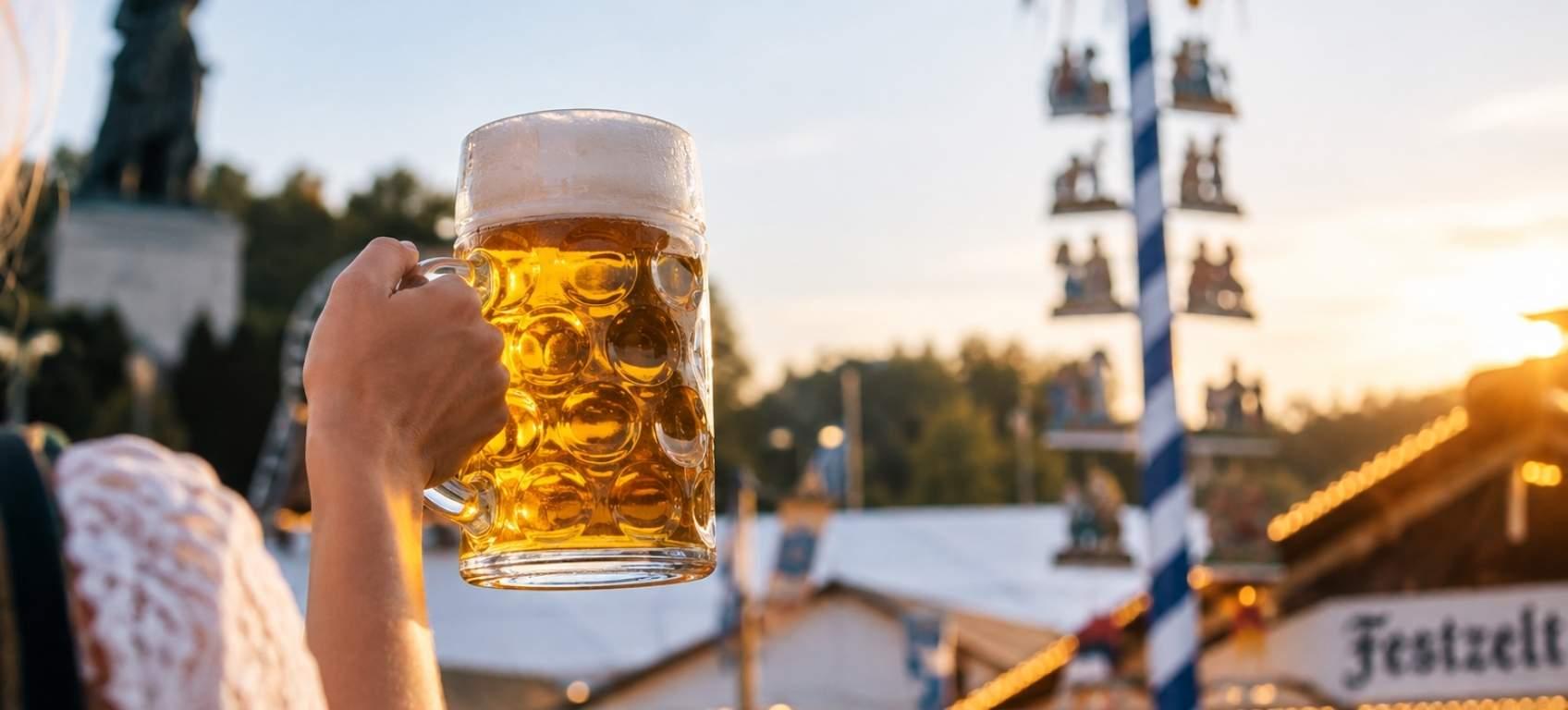


Going to Oktoberfest Germany 2026? Avoid These 10 Common Mistakes
Your first Oktoberfest can be incredible, or full of avoidable mistakes. Discover 10 things travelers should know before heading to Germany in 2026.
 by Amira Bula
Oktoberfest 2026 runs from September 19 to October 4 on the Theresienwiese in Munich, and most of the party actually lands in September, not October.
It opens with the mayor tapping the first keg around noon on that first Saturday, and it wraps on the first Sunday of the month.
If it's your first time, Oktoberfest Germany 2026 rewards a little planning and quietly punishes the stuff nobody warns you about.
Show up with local cash, the right day in mind, and a plan for your phone, and the rest tends to sort itself out.
1. Relying on Cards Instead of Bringing Cash
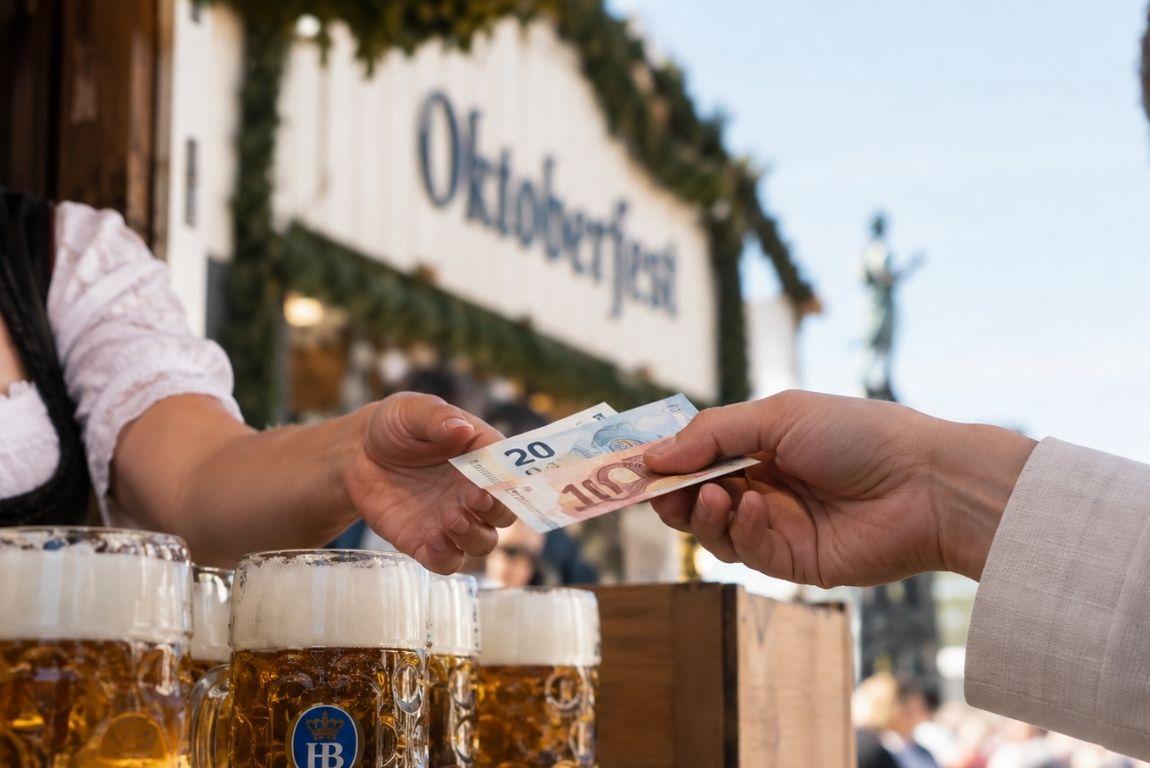
Bring cash. Euros, in your pocket, before you sit down. Inside the beer tents, cash still runs the show.
A few tents (and sometimes only certain sections) take cards now, and card payment is slowly growing, mostly for reservations where one person covers the whole table's bill.
For single orders and the food and drink stands scattered around the grounds, you'll still be reaching for notes.
One tent even tested card-only seating recently, so things are shifting, just not evenly, and not fast enough to gamble your afternoon on.
A Maß (that's the one-liter mug) runs around 15 euros before you tip, so pull out enough to cover the day plus a cushion.
The ATMs on-site get slammed and sometimes run dry, so hit your bank before you arrive rather than betting on a machine near the gates.
2. Visiting Oktoberfest on the Busiest Days
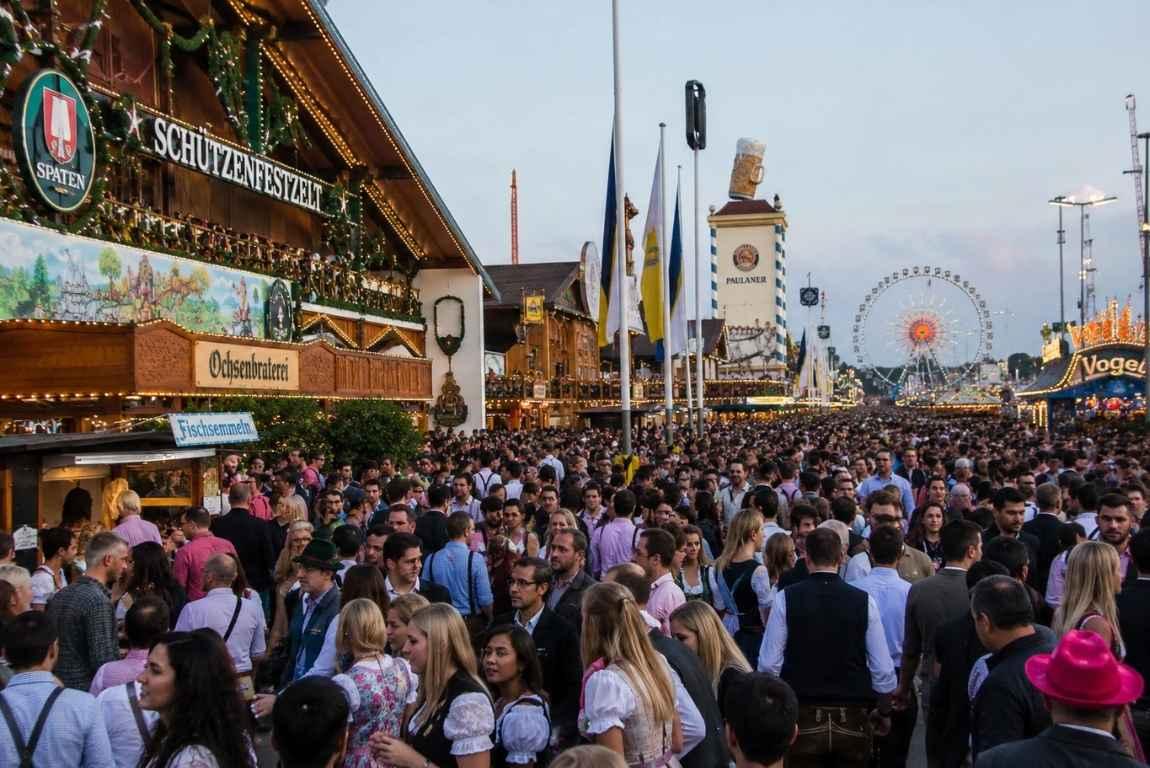
Weekends are the trap, and the second Saturday is the one locals steer around. It's often called Italian Weekend, it's the most crowded stretch of the whole run, and it draws the rowdiest crowd.
The Friday before a public holiday goes the same way. In 2026, October 3 is German Unity Day, so the days around it fill fast.
Weekdays are calmer, roomier, and a lot friendlier for a first visit. If a weekend is your only window, treat the gates like a concert door: be there before they open, around 8 to 8:30 for a 9:00 opening, and walk straight to a tent.
Trying to squeeze into a packed tent mid-afternoon with no reservation, on a Saturday, standing in a line that isn't moving, is how good days go sideways.
Sundays empty out after 3 to 5 pm because people have work Monday, so a late-Sunday arrival once the second reservation block clears (around 4 pm) can score you a seat when everywhere looked full an hour earlier.
3. Arriving Too Late to Get a Table
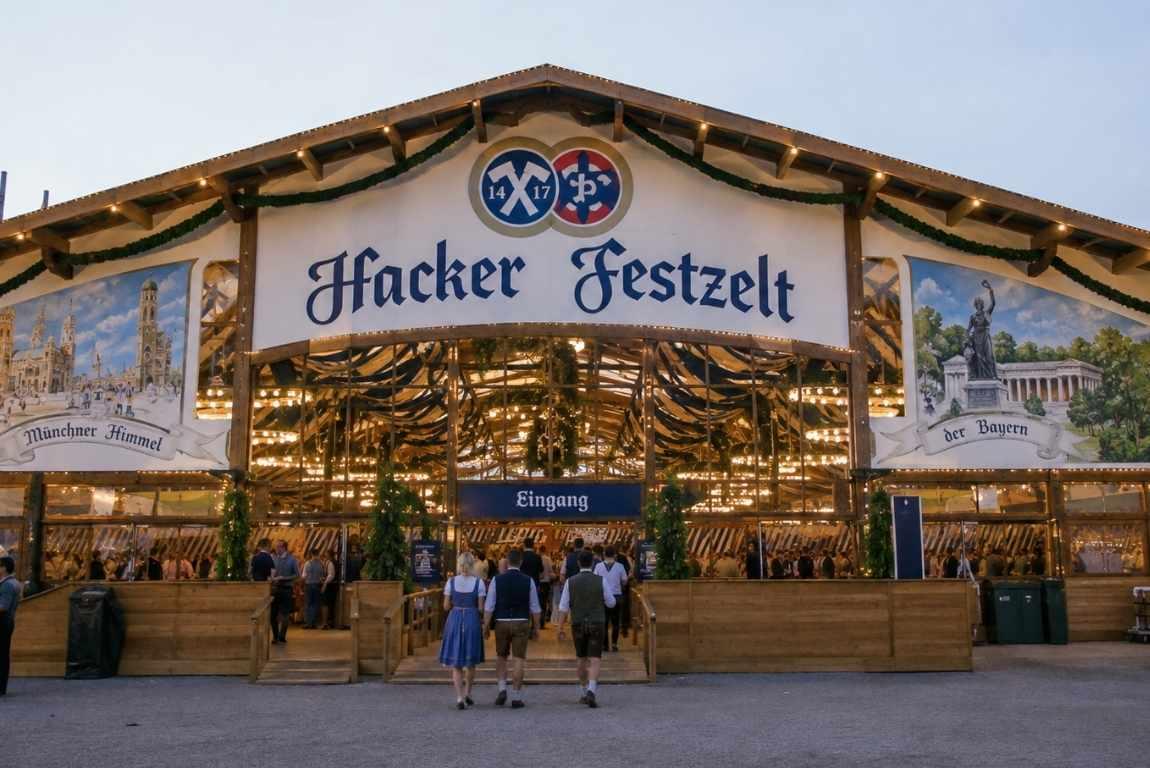
Every tent keeps an unreserved area, and the trick is claiming a table there early and treating it like home base.
Once you've got a walk-in table, you never have to give it up, so you can settle in for the day.
The catch is timing: from roughly 3 to 4 pm on a busy day, every seat is taken. If your group wants to sit together, get there by 9 or 10 am.
And a real table fits ten people, no more, so if you're a group of "around ten," cap it at ten or you won't all fit.
Here's the early-bird call at a glance, so you can see why the clock matters.
4. Choosing a Tent Just Because It's Famous
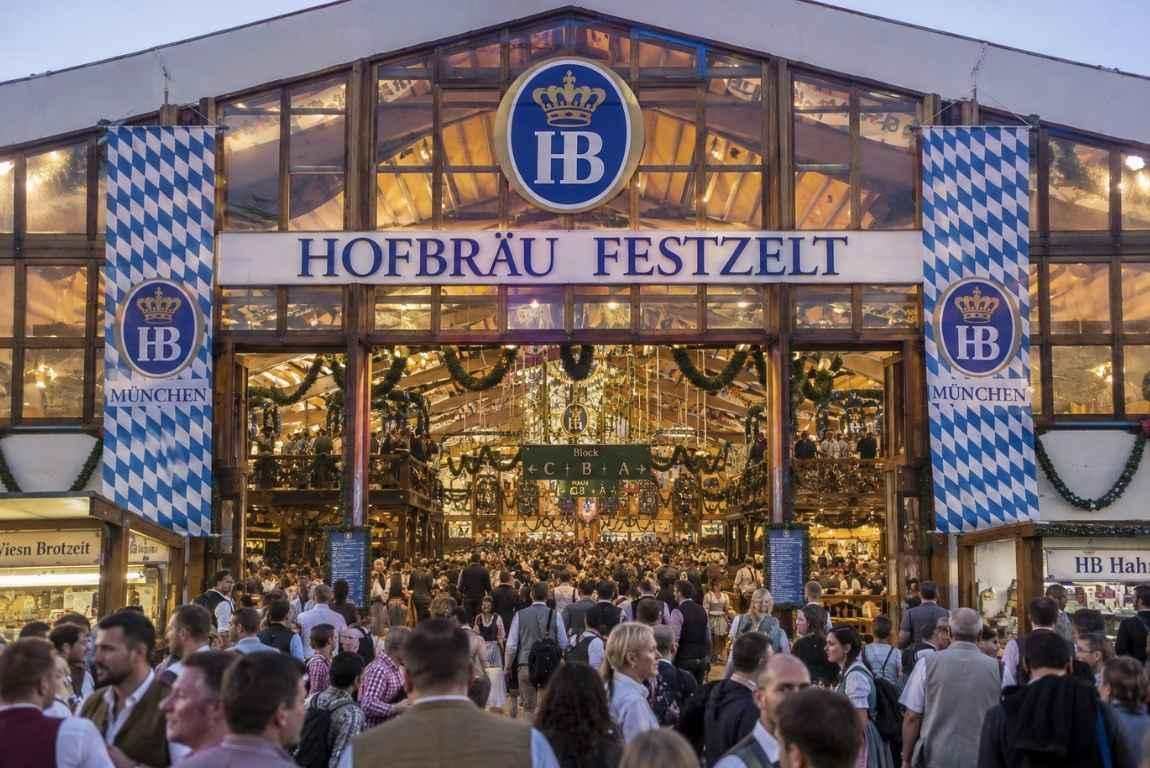
The Hofbräu (HB) tent is the name most first-timers know, and it's the one Munich locals quietly avoid.
It's the tourist magnet, it gets the rowdiest crowd, and it has a reputation for the messiest behavior and the least patient security.
Plenty of people still have a fine time there, but if you're after the version of Oktoberfest that feels warm rather than chaotic, the traditional tents are where regulars point you.
Augustiner is the one locals name first, poured from wooden barrels and widely called the pick of the bunch.
Paulaner, Hacker, Marstall, and Löwenbräu come up again and again from people who've done this for years.
The through-line: the more traditional and less "famous" the tent, the closer you get to the real thing. It's the difference between ticking a box and actually experiencing the October fest in Germany the way regulars do.
And once you're in a tent you like with a seat you like, stay. The grass is not greener two tents over, and you'll often find the next one full when you try to switch.
5. Expecting a Full Beer Menu
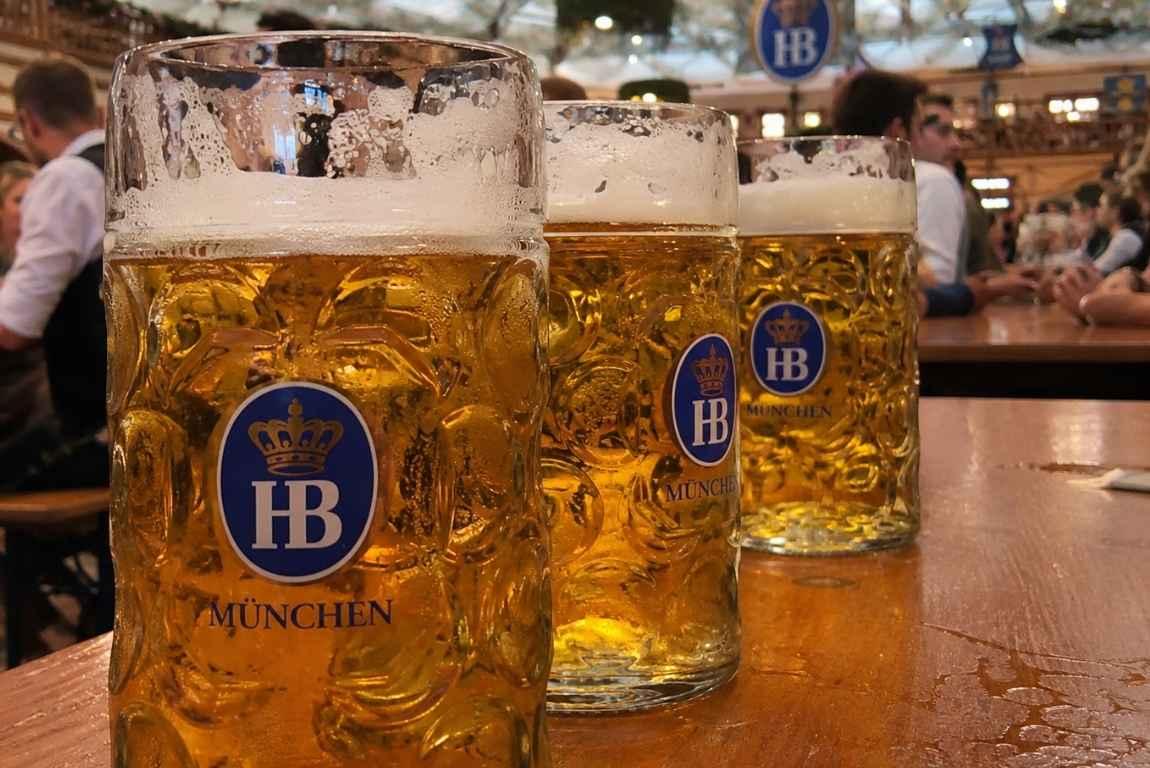
There isn't one, and that surprises almost every newcomer. Each tent serves a single beer: a Festbier, a golden pale German lager brewed by one of only six Munich breweries allowed to pour at Oktoberfest.
It's not the amber Märzen that breweries outside Munich slap an "Oktoberfest" label on. Sit in the Löwenbräu tent, you get Löwenbräu's Festbier.
Sit in a Spaten-linked tent, you get Spaten's. You don't pick a brand or a style. You order a Maß and you get what that tent pours.
There are a few exceptions worth knowing. Alcohol-free beer and Radlers exist, some stalls and kiosks outside the main tents pour a Weissbier, and a handful of spots sell wine and liquor. But when it comes to the main event, one tent means one beer.
6. Arriving Without Mobile Data Set Up
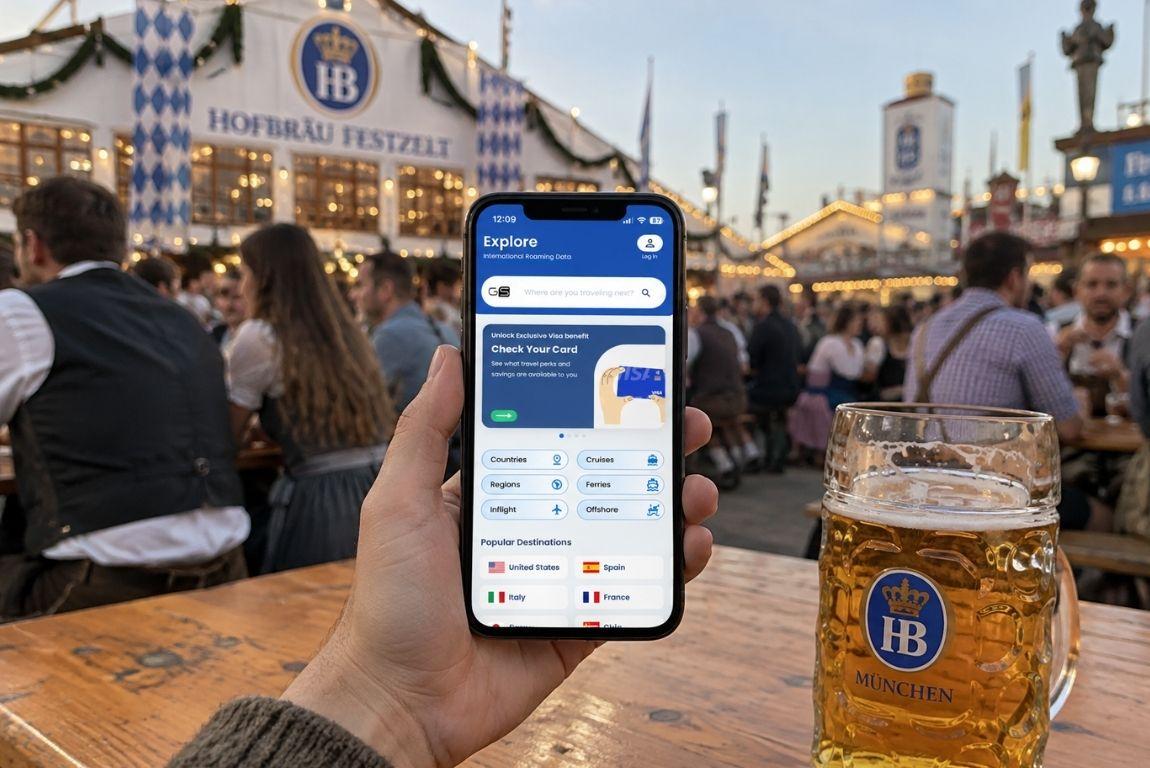
One small thing that saves a lot of stress: sort out your data before you land, not while you're standing on the Theresienwiese trying to find your group.
Between meeting people at your table, checking tent maps, splitting off into smaller groups, and pinning a spot to reunite later, you'll lean on your phone more than you'd guess at a festival this size.
A travel eSIM handles that cleanly. With GigSky, you download the app, install one eSIM, and arrive connected the moment you reach Munich, with no QR codes to scan and no settings to fiddle with once you're on the ground.
Because GigSky runs as a mobile operator rather than a reseller, your phone connects to the strongest local network on its own, which is exactly what you want in a crowd of a million people all hammering the same towers.
And if you haven't tried it yet, GigSky offers one of the more generous free trials out there, so you can test how it works in Germany before committing to a plan.
7. Getting a Cheap Costume Dirndl or Lederhosen
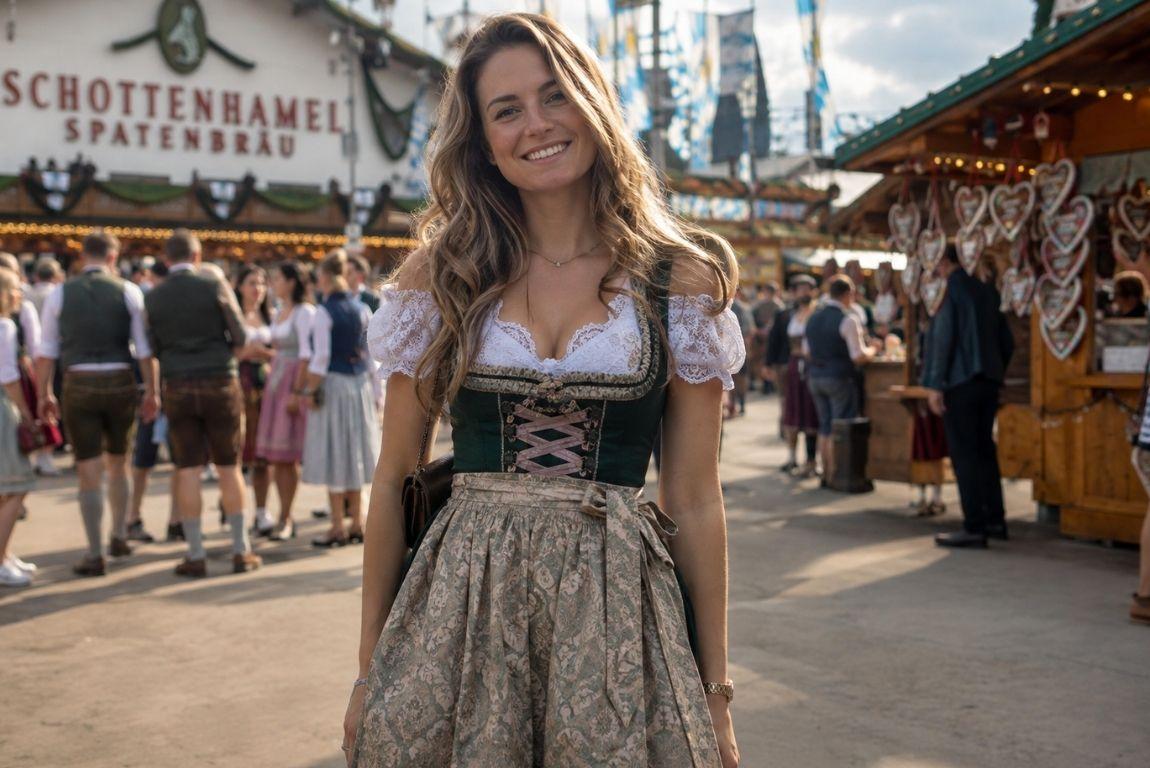
This is the mistake that gets people gently mocked, and occasionally turned away at the door.
A cheap novelty "dirndl" from an online marketplace reads as a costume, not Tracht, and the difference is obvious to everyone around you.
Some tents, including Festzelt Tradition and the Armbrustschützenzelt, won't let you in wearing one.
Tracht (the dirndl and lederhosen) isn't a Halloween outfit here. It's traditional Bavarian dress, worn year-round for festivals, weddings, and beer gardens, and many pieces get passed down through families. When you plan your Oktoberfest outfit, think heirloom, not fancy dress.
You've got three good routes. Rent one; Bavarian Outfitters gets steady praise and has locations near the grounds, often under 50 euros for a single day.
Buy a real one; C&A has carried decent dirndls around 65 euros on sale, though a good one usually runs 150 to 200. Or skip it entirely.
That last option is fully legitimate. There's no required Oktoberfest uniform, plenty of people wear normal clothes, and comfort counts for more than costume.
A midi skirt and a nice top will carry you further than a 20-euro knockoff. The best Oktoberfest outfit is the one that makes you feel like part of the day, not like the punchline.
8. Arriving Without Knowing What to Expect
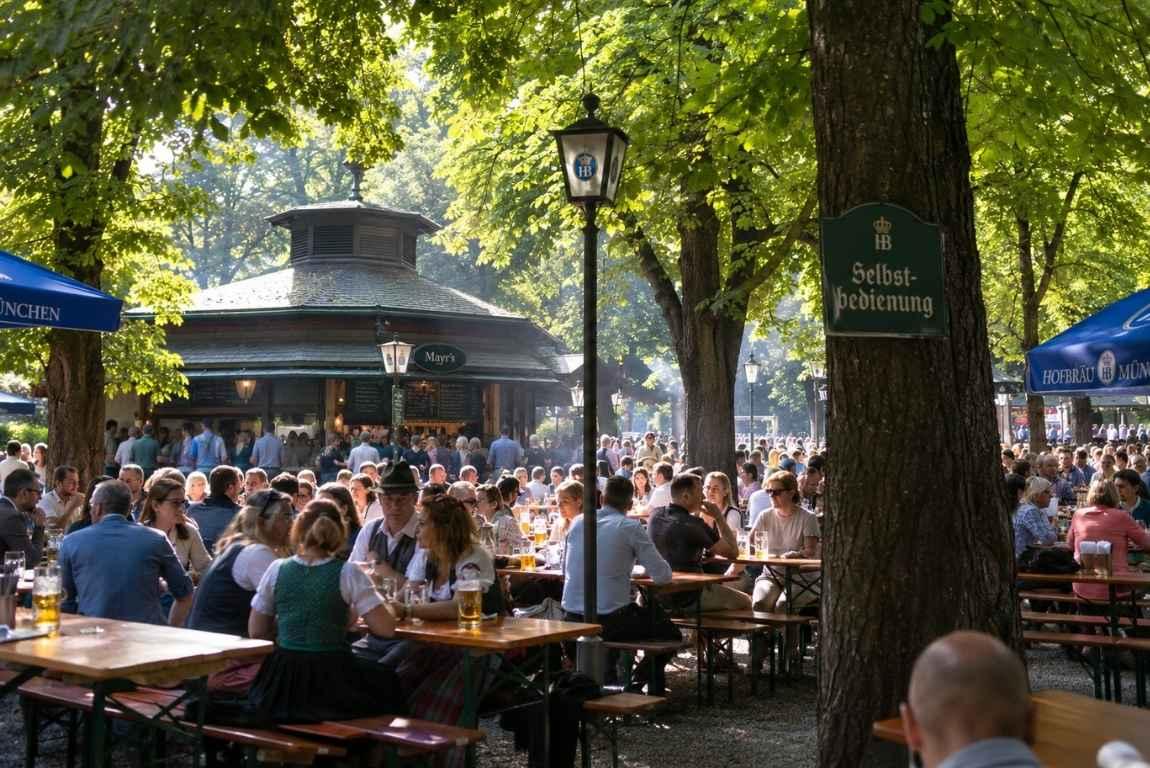
You sit, you drink, you eat, and you listen. There's live music from about 8 am to 10 pm every single day, and the day is built around hanging out with your group, meeting the people at your table, and letting the band carry the hours.
One thing that catches visitors off guard: organized drinking games are generally not allowed, and card games get discouraged too, mostly to keep gambling and hard-core drinking games out of the tents.
You'll still see people playing cards over a morning beer while the band warms up, so it's less a hard ban than a nudge toward the sit-and-socialize rhythm the festival runs on.
Pace yourself and you can genuinely open and close a tent in one day, though starting at 9 am and lasting until night is a real feat.
9. Underestimating the Oktoberfest Crowds
Oktoberfest can draw more than a million people at once, and the experience has a high ceiling and a low floor depending on when and where you go.
On the busiest days, near the busiest tents, crowds get intense and security gets stretched thin, and some visitors, women especially, have described harassment and pushy behavior in the packed tourist tents.
You can tilt the odds heavily in your favor. Go on a weekday, arrive early, favor the traditional tents over the tourist ones, keep your group together, and once you've got a seat, keep it. These are the habits that make the October fest in Germany feel welcoming rather than overwhelming.
Staying with people you trust and steering clear of the notorious crush points, the tourist tents on the peak weekend, makes a real difference.
Germans tend to treat public events as more self-reliant than tourists expect, so a bit of self-awareness goes a long way. If a spot feels off, move on rather than pushing through.
10. Skipping the Calmer Oktoberfest Alternatives
Munich's beer gardens are a lovely counterweight to the main grounds. The Augustiner-Bräu garden comes up constantly as a relaxed alternative.
If you want the whole festival feeling without the million-person crush, smaller regional Volksfeste are worth a look: Stuttgart's Cannstatter Volksfest (often called the second biggest), the Plärrer in Augsburg, and the fests in towns like Freising all deliver the music, food, and beer with a fraction of the chaos.
Several travelers say they now prefer them as their German beer festival Germany of choice, and once you've been you may understand the appeal of the quieter October fest in Germany experience these smaller fests offer.
Recap: Avoiding These Oktoberfest Germany 2026 Mistakes
- Carry euros in cash. Cards work in a few tents and for some reservations, but cash covers single orders, stands, and the majority of the grounds.
- Skip the second Saturday (Italian Weekend) and the holiday-weekend Friday. Weekdays are calmer, and October 3 is a public holiday in 2026.
- Arrive before the gates open, around 8 to 8:30, claim an unreserved table, and stay put all day.
- Cap your group at ten so you can share one table, and get there by 9 or 10 am if you want to sit together.
- Favor traditional tents like Augustiner, Paulaner, Hacker, or Löwenbräu over the tourist-heavy HB tent.
- Don't look for a beer list. Each tent pours one Festbier; you order a Maß and drink what's poured.
- Set up your phone before you arrive so you stay connected the whole day, even when the tents are packed.
- Rent real Tracht, buy a proper dirndl or lederhosen, or wear normal clothes. Cheap costume versions can get you turned away.
- Keep your group close, keep your seat, and choose a calmer beer garden or a smaller regional Volksfest if the crowds aren't your thing.
Do these, and your first trip to Oktoberfest Germany 2026 lands on the good side of that high-ceiling, low-floor spread.
Bring cash, pick your day, dress the part or don't, and give yourself one less thing to worry about by arriving connected.
%2520-%25202026-07-07T150214.058.jpg&w=3840&q=75)
.jpg&w=3840&q=75)