

%2520-%25202026-07-23T165641.302.jpg&w=3840&q=75)


Europe Trip Checklist: Everything to Do Before You Leave Home
First European trip? Here's the prep that saves you money, stress, and a dead phone at passport control, from passports to staying connected.
 by Amira Bula
A first Europe trip comes with a long list of small decisions, and the ones you sort out before you leave are the ones you'll never think about again once you land.
Passport dates, whether you need a visa or an ETIAS authorization, how much cash to carry, which cards charge you nothing abroad, how you'll get from the airport to your bed. Get those settled early and the trip gets to be the trip.
And since you'll lean on your phone for pretty much all of it, deciding how you'll stay connected belongs near the top of that list, which is why GigSky lets you try its Europe eSIM for free before you go.
Documents and entry: check these first
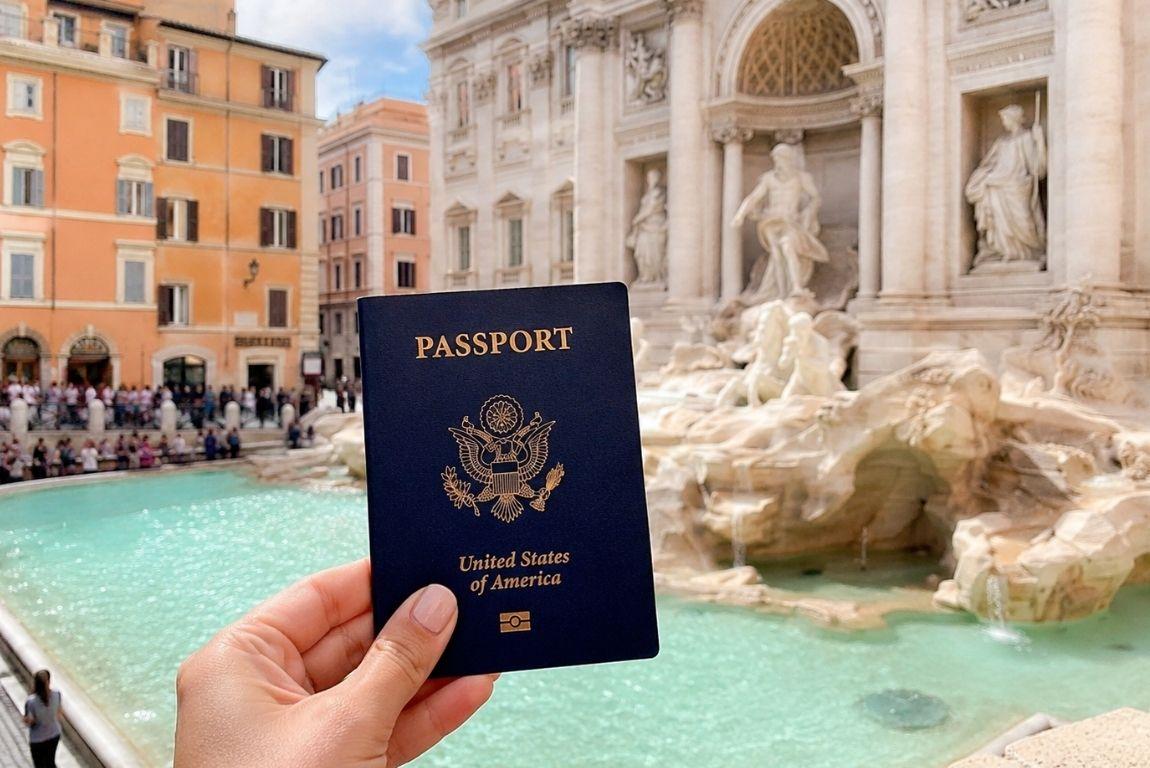
Two things decide whether you board: a valid passport and the right entry permission for where you're going.
Your passport needs to be valid for 3 to 6 months beyond your return date, so check the expiry now rather than the week before you fly.
Then check whether you need a visa or an ETIAS authorization for each country on your route.
One thing trips up a lot of first-timers: the UK and Ireland are not part of the Schengen area.
So if your trip includes London or Dublin alongside, say, Paris or Rome, treat them as separate entry checks. Confirm what each one requires before you book anything.
Carry copies, digital and printed
You'll mostly use your passport twice, the day you fly out and the day you fly home. Between those, keep it safe and carry copies of your passport, visa or ETIAS, flight tickets, and accommodation bookings. Print them and save digital versions.
Phones die, and Europe is walkable enough that you'll burn through battery on maps alone.
A printed booking at passport control when your screen is black is a small thing that saves a big headache.
Losing a passport abroad is genuinely a hassle. You have to contact your country's embassy in the country where you lost it, and it slows everything down. Copies won't replace it, but they make the whole process faster.
Money: cards, cash, and daily budget
Start with your cards. The ones worth carrying charge 0% foreign transaction fees, and several of them come with a bonus most travelers miss: if you hold an eligible Visa card, you can unlock free international data on your European trip.
You redeem it through the GigSky app, and more on that further down.
Cards worth packing
Here are popular US options for 2026, all with no foreign transaction fees.
| Discount or benefit | What you get | Who qualifies |
|---|---|---|
| Refer-a-Friend | Up to 25% off | Anyone who refers a friend |
| Eligible Visa card | Up to 30% off all plans, including Cruise eSIM | Eligible Visa cardholders |
| Visa free data (Americas) | 1 GB to 10 GB free | Eligible Visa cards from the Americas |
| Visa Destinations | 3 to 7 days of free unlimited data in selected destinations | Eligible Visa cards from anywhere in the world |
| Free trial (no card) | Up to 500 MB free in Europe, 100 MB on cruise ships, and in 125 countries | New users, one time |
With many of these, holding an eligible Visa card can also get you up to 10GB of free international data, redeemed through the GigSky app.
How much cash do you need for a European trip?
This depends on you, how long you're traveling, and how many people you're with.
Most places take cards, hotels and restaurants included, but some countries lean on cash more than you'd expect.
Austria is one, where higher bank charges mean plenty of spots simply prefer cash. Euros are your safest bet, and around €100 a week works as a rough starting point if you're paying mostly by card.
A realistic daily budget
There's no single number here because it shifts with your plans and the places you visit.
Transport across Europe is usually cheap, though it varies: a ride-sharing app tends to run low, and public transport prices differ by city. Food lands somewhere between €15 and €30 per person, depending on the country.
Watch for different currencies
Most of Europe runs on the euro, but not all of it. The UK uses the pound and Switzerland the Swiss franc, so check your route.
In the Netherlands, Spain, Italy, Portugal, and France you'll always pay in euros. If you already have euros on hand, converting them into another currency later is the easier path.
Getting around: between cities and from the airport
Europe gives you options, and the best one changes trip to trip. Sometimes a flight wins, sometimes the train, sometimes the bus.
Trains are fast but usually pricier than buses, and Flixbus is a popular low-cost option worth pricing out.
Book internal flights in advance and they'll almost always be cheaper. Trains can cost more, but they're the sustainable choice and often the scenic one.
In Switzerland, a train beats flying for the views alone, the Alps roll past your window. Take at least one long train ride for the experience, since it's one of the highlights of many European trips.
Airport to your first bed
Most European airports connect well to the city center. You'll usually find buses or shuttles that drop you near your accommodation, and many airports have a metro line straight into town.
When you land, check or ask what's best for that specific airport, since sometimes the bus wins and sometimes the train does. And if you plan to rent a car, you'll need a valid driving license to do it.
Where to go, and in what order
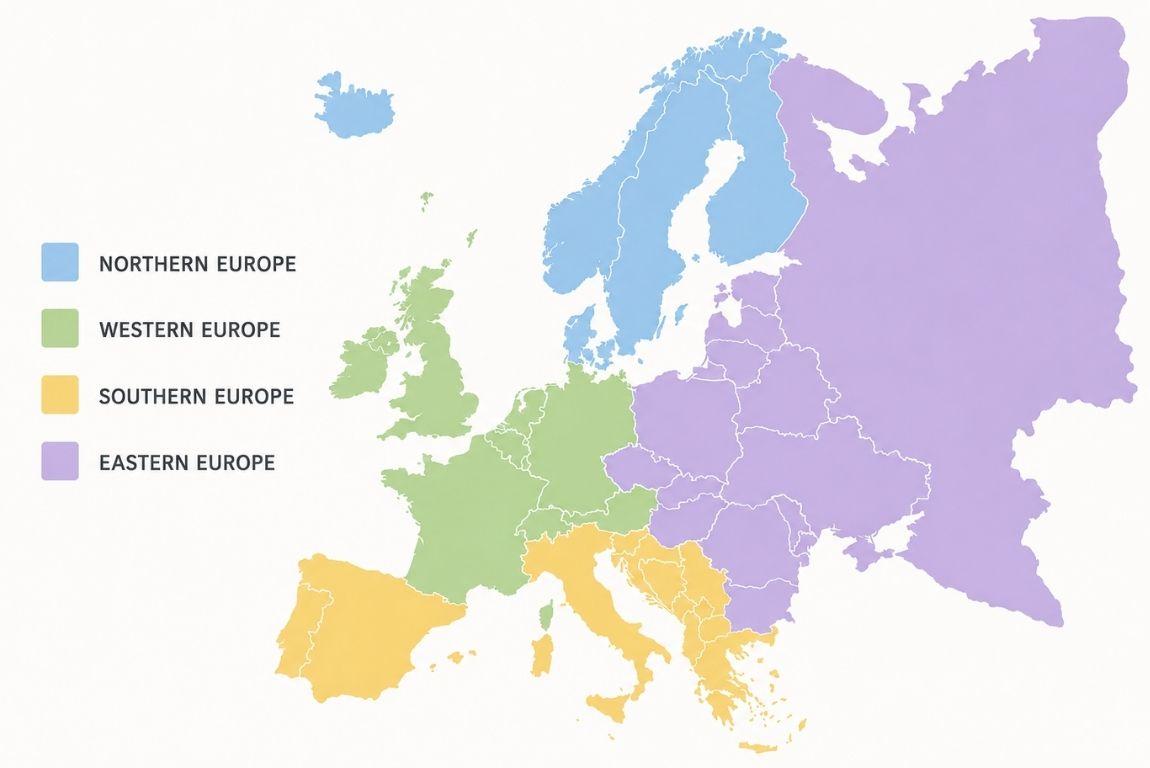
The cities and regions you prioritize are entirely yours to pick, shaped by what you've always wanted to see.
To avoid backtracking, open a map of Europe and plan around it. The continent splits into Western, Eastern, Northern, and Southern Europe, and Southern Europe pulls the biggest first-trip crowds thanks to Italy, Spain, and Portugal and the weather.
Here's the mistake to sidestep. People planning a trip to Europe often say “I want to visit as many countries as possible,” then don't enjoy the trip because it's too much, too fast.
Our advice: choose one region, then visit the countries clustered inside it and let the map set your route.
Start in the south and work your way up through nearby stops. Don't hop from Italy to Portugal to France to Spain. Go Italy to France, France to Portugal, Portugal to Spain, a line, not a zigzag.
One thing that makes this easier: once you're inside the Schengen area, you don't go through passport control moving from one country to the next. You can cross by train or bus and just keep going.
Check for big events on your dates
European summers bring demonstrations and protests in places like France and Spain, which can mean crowds, so factor that in.
Summer also brings concerts and festivals across the continent. If you'd rather avoid the crush, check for any major event on your travel dates before you go.
Packing and practical bits
Plug adapter
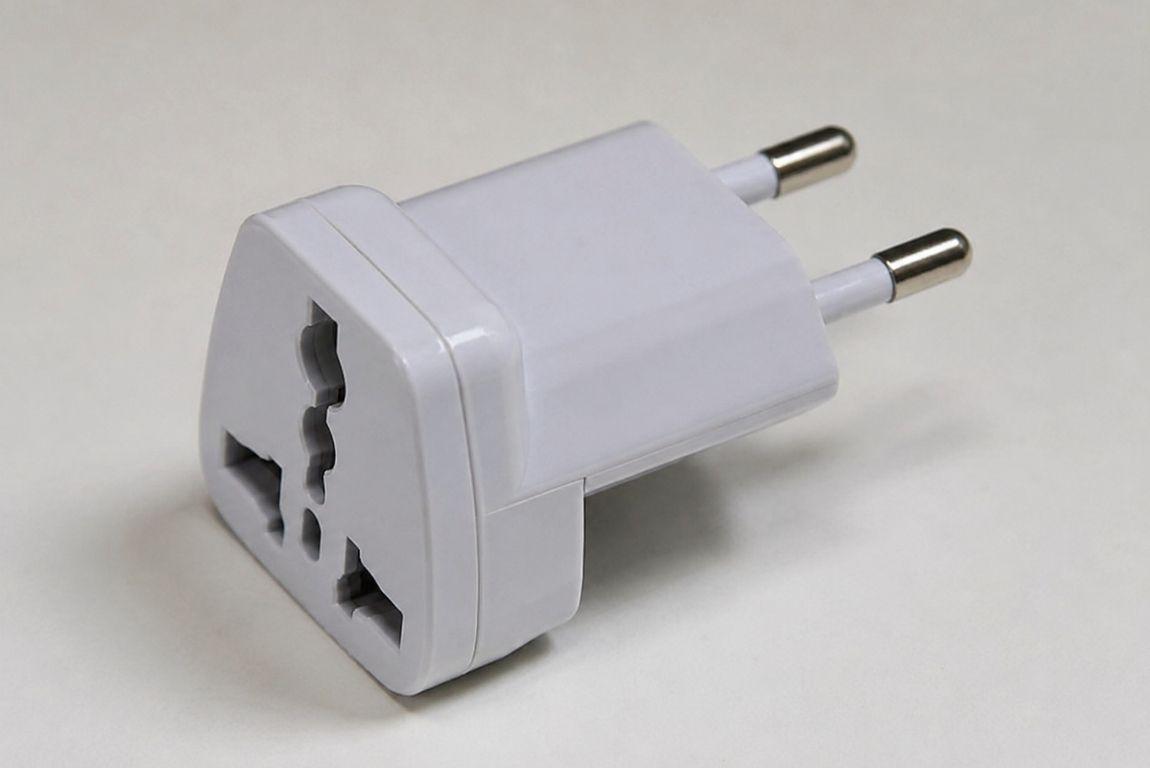
You'll need a European plug adapter. The plugs used across the Americas are different from Europe's Type C and F, 230V setup, so pick up an adapter before your trip rather than scrambling for one after you arrive.
Luggage allowance
Your allowance depends on your ticket type and airline, so check what you booked. If you need more, buy the extra in advance or choose a ticket that allows it.
Traveling from the Americas to Europe, you're usually allowed 23kg, sometimes one or two bags.
Just remember that internal European flights often set a lower limit, so plan your bags with those onward flights in mind.
A power bank is not optional
Europe is very walkable, which means a lot of Google Maps, which means a phone that drains fast. Bring a portable charger or power bank. You'll use it more than you think.
The smartest way to stay connected in Europe
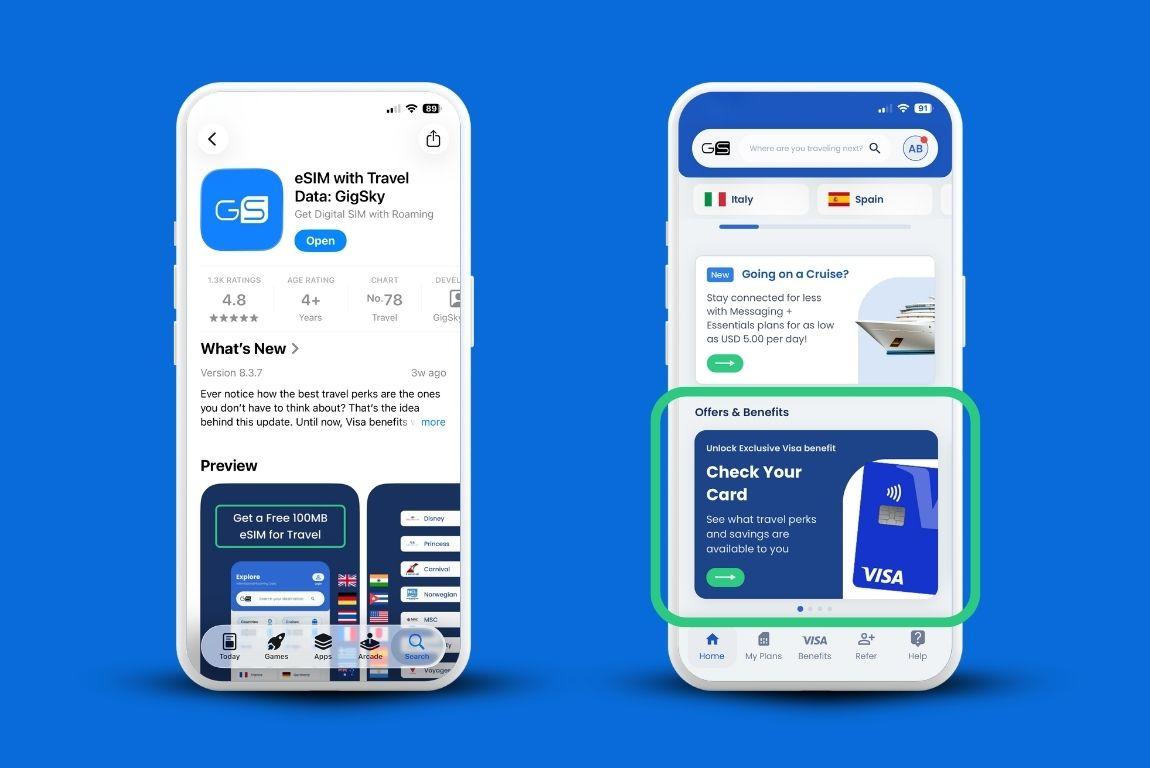
For a first Europe trip, an eSIM is usually the easiest way to stay connected: you install it before you fly and arrive already connected, with no local SIM to buy and no daily roaming fee to track.
The right choice depends on your phone, and the comparison below lays out the two main options side by side.
| What to compare | Europe eSIM (GigSky) | International roaming |
|---|---|---|
| Countries covered on one plan | 43 European countries, plus the UK and Turkey | One home plan that follows you, with a separate daily fee per country |
| When you get connected | You install before you fly and arrive connected | You switch roaming on, then wait to latch onto a network abroad |
| Setup | Download the app, install the eSIM once, reuse it on later trips | Already active on your line, nothing to install |
| Network | A mobile operator that connects your phone to the strongest local network automatically | Your carrier's roaming partners in each country |
| Free trial | 500 MB free with no card, or up to 10 GB free for eligible Visa cardholders | ❌ |
If your phone is unlocked and eSIM-compatible, an eSIM tends to be the affordable, no-waiting choice.
You install it before your flight and land connected, instead of waiting to buy a SIM card at your destination.
A local SIM has another catch: a card you buy in one country won't work in the next, so a SIM bought in Portugal won't help you in Switzerland.
A Europe eSIM from GigSky keeps you connected across 43 European countries, with the UK and Turkey included because they show up on so many Europe itineraries.
Roaming has its fans too, and for good reason: you flip it on and you're done. The thing to check is the per-country fee, which changes depending on where you are, and whether that adds up across a multi-country trip.
What sets GigSky apart is that it's a mobile operator rather than a reseller. It partners directly with local networks, so your phone connects to the strongest available signal wherever you go, no manual setup when you land.
Travelers often describe it as the eSIM that works when other eSIMs don't. It's also simple to live with: you install it once, reuse it on future European trips, and skip the QR codes that other providers email over (and that occasionally never arrive).
Try GigSky Free before your trip so you know it works on your phone, then top up in the app if you need more. You'll get a notification once you've used 80% of your data.
Apps to download before you fly
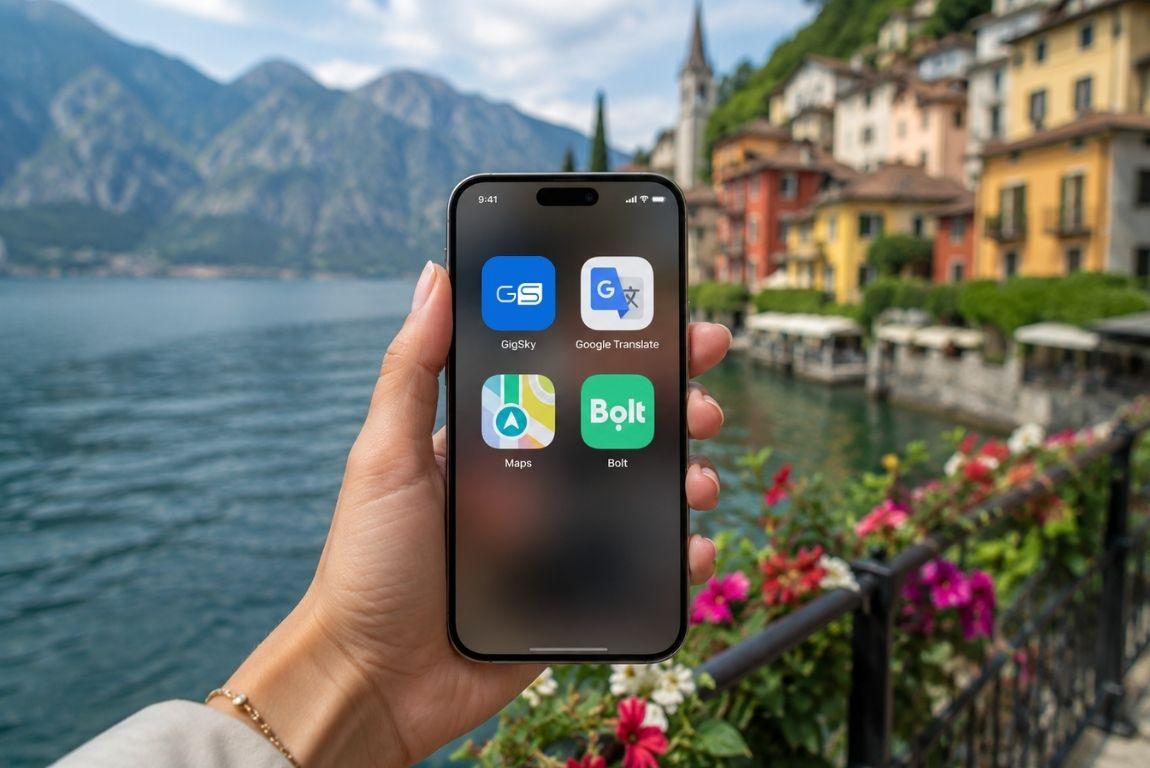
Since your phone does the heavy lifting, sort your apps before you leave. Start with the one that powers everything else.
- The GigSky app. With connectivity sorted, every other app has the internet it needs. Download this first.
- Google Translate. Snap a photo of a menu and read it in your language.
- Maps. Europe is a walking region, so you'll rely on maps to move between places all day.
- Bolt (or another ride-sharing app). A popular pick with low prices when you'd rather not walk.
Beyond those, add what fits your trip, train apps or city transit apps if you'll use them.
The best and cheapest way to stay connected still comes down to your phone: if it's unlocked and eSIM-compatible, an eSIM. It's the one setup step that pays off from day one of a trip to Europe.
Otherwise, roaming works, just check the per-country fee first.
Safety, culture, and local customs

Staying safe
Europe is generally very safe, but pickpocketing is worth guarding against, especially in France, Spain, and Italy.
Keep an eye on your bag in tourist areas. A lot of travelers prefer a belt bag so they can check their things quickly.
Tipping and etiquette
Tipping is usually optional in Europe, nothing like the US where it's expected everywhere.
In churches you'll generally want modest clothing, and on public transport quiet is often the norm, though this changes country by country.
Spain is chatty even on the metro; the Netherlands leans quiet. The simplest rule is to watch what people around you do and follow their lead.
2 questions to answer before you travel
What's the main goal of this trip?
Your trip works best with a goal behind it. If you're after relaxation, build everything around slowing down, which usually means fewer cities and fewer countries.
If culture is the draw, choose destinations that deliver it: France, Greece, and Spain are rich in historical sites. If it's food, pick places that match your taste.
If it's adventure, aim for destinations built for it. The goal shapes how far and how fast you go, and it's worth settling before any trip to Europe takes shape.
Have you left room to be spontaneous?
Always build in room for spontaneous changes, especially if you love adventure. Check what's happening the week you're visiting, then go with the flow and see what a city offers that day.
Social media is good for spotting what's on, and an app like GetYourGuide shows daily activities in the region you're in.
Recap: Your Europe Trip Checklist
- Documents first. Passport valid 3 to 6 months past your return, visa or ETIAS sorted, and remember the UK and Ireland sit outside Schengen. Carry printed and digital copies.
- Money. Pack 0% foreign-transaction-fee cards, bring some euros (around €100 a week if you're mostly using cards), and check for pound or franc destinations.
- Route. Pick one region and plan a line across the map, not a zigzag, to avoid backtracking. This is the step that shapes most first European trips.
- Connectivity. If your phone is unlocked and eSIM-compatible, a Europe eSIM gets you connected on landing across 43 countries. Try GigSky free before you go, and eligible Visa cardholders can unlock up to 10GB.
- Pack smart. European plug adapter, a power bank for all that walking and maps, and luggage sized for any internal flights.
- Have a goal. Relaxation, culture, food, or adventure shapes how many places you see, and leave room to be spontaneous. It's the single best thing you can do to make your first Europe trip worth the effort.
Your next step: download the GigSky app, search Europe, and activate the free trial so connectivity is one thing you never have to think about once you land.