


2027年版・本当に役立つバッグひとつ旅の裏ワザ
洗濯シートの活用から重ね着まで、荷物をバックパック1つにまとめる10のパッキング術。2027年の旅行に向けた最新版。
 by Amira Bula
バッグひとつで旅をするコツは、考えられるあらゆる状況に備えるのではなく、実際の旅の予定に合わせて荷造りすることです。
26〜30リットルのバックパックと、着回しのきく速乾性の衣類が数着あれば、2〜3週間の旅行にも対応できます。
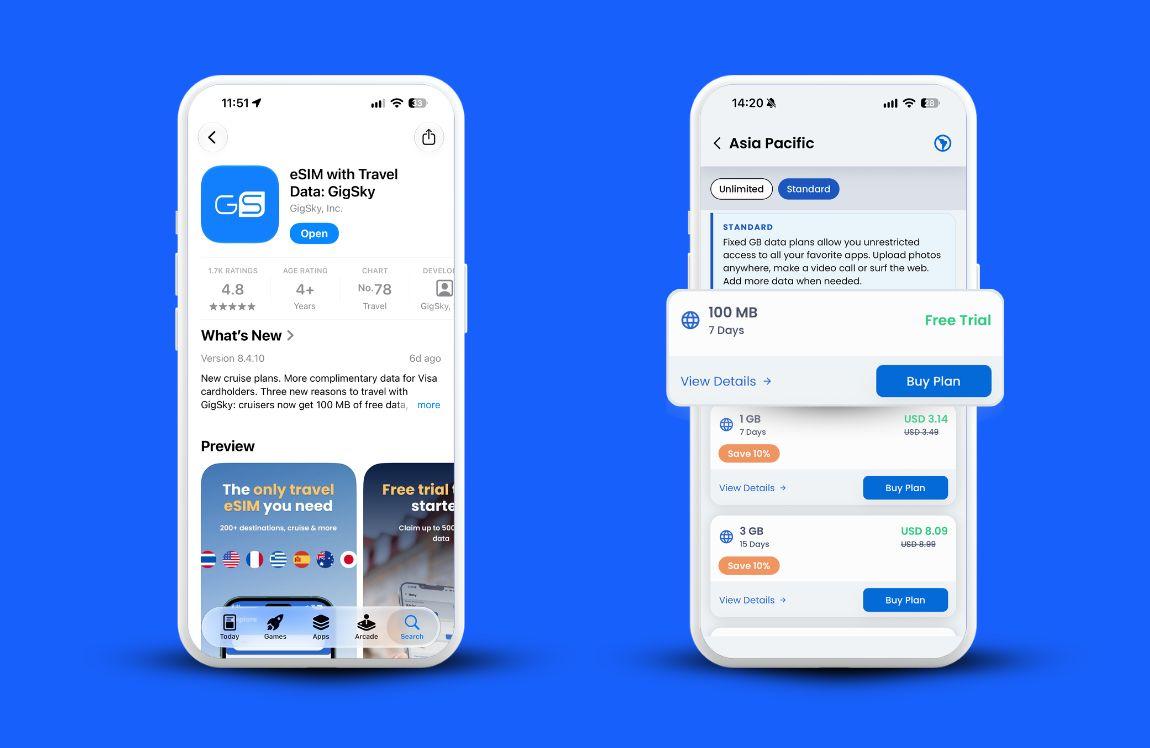
以下の10のコツを実践すれば、2027年の旅も身軽に楽しめます。荷物を減らすには、出発前の準備も大切です。たとえば、自宅でGigSky eSIMをインストールしておけば、現地のSIMカードを探したり、空港のWi-Fiに頼ったりすることなく、到着後すぐにインターネットを利用できます。
1. 衣類は少なめにして、旅先で洗濯する
旅行の日数分の着替えを詰めると、バッグはすぐにいっぱいになってしまいます。2〜3週間の旅行なら、なおさらです。
毎日違う服を持っていくのではなく、着回しできる少量の服を用意して、旅先で洗濯しながら着ましょう。
You can wash underwear, socks, and lightweight shirts in your hotel sink every couple of nights. Bring a few dry laundry detergent sheets in a ziplock bag. They take up very little space and won’t leak onto your belongings.
For longer trips, you can also use a laundromat halfway through your stay or book accommodations with a washing machine.
Choose clothes that dry quickly so they’re ready to wear the next morning. With this approach, you can travel for several weeks with the same amount of clothing you’d pack for a few days.
You also have less laundry to wash when you get home.
2. Choose One Pair of Shoes That Works for Everything
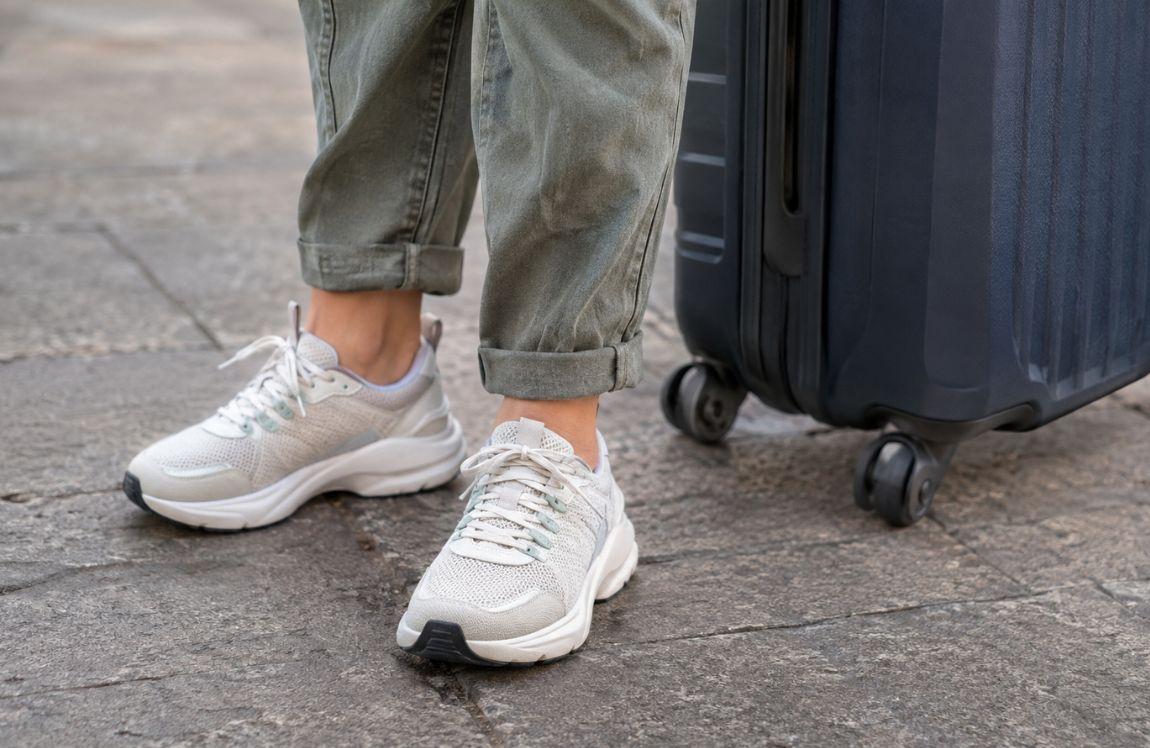
On one bag travels of any length, shoes are among the bulkiest items you can pack, and bringing multiple pairs can take up a surprising amount of space in your bag.
For most city trips, you can get by with one comfortable pair that works for walking, sightseeing, restaurants, and everyday activities.
Choose shoes you’ve already worn for long periods rather than buying something new right before departure.
Neutral colors can make them easier to match with different outfits. If your itinerary includes swimming, shared showers, or beach days, consider adding a lightweight pair of sandals or flip-flops.
Before packing another pair, ask yourself when you’ll wear them. If you can only think of one possible occasion, they’re probably not worth the space.
The goal isn’t to have the perfect shoes for every activity, but to have comfortable footwear that handles most of your trip without weighing you down.
3. Use Packing Cubes to Give Everything a Place
When you carry everything in one backpack, finding a clean shirt or your charging cable can mean unpacking half your belongings.
Packing cubes or lightweight packing sacks help prevent this by giving your items a designated place.
Keep clothes together, electronics in a small pouch, and toiletries in a separate bag. You can also organize by activity, such as keeping everything you need for swimming in one place.
This makes it easier to find what you need without disturbing the rest of your bag. The important part is to use a system you can maintain throughout your trip.
Every time you finish using something, return it to its assigned place. You don’t need a separate organizer for every small item, either.
A few well-chosen compartments are usually enough. The result is a one bag travel setup that’s easier to pack, unpack, and manage when you’re constantly changing locations.
4. Bring a Foldable Bag for Day Trips and Extra Purchases
Carrying your main one bag travel backpack everywhere isn’t always practical, especially when you’re sightseeing, buying groceries, or spending the day at the beach.
A foldable tote bag or lightweight backpack solves this problem without taking up much space in your luggage.
Keep it folded inside your main bag while traveling between destinations, then take it out when you need something smaller.
You can use it for snacks, a water bottle, a jacket, or anything you purchase during the day. A foldable backpack can also be useful for hiking or carrying a towel after swimming.
If you buy souvenirs toward the end of your trip, it gives you extra carrying space, provided your airline’s baggage allowance permits another bag.
Choose something lightweight that folds down small and is comfortable enough for your planned activities. This way, you don’t need to carry a second full-size bag throughout your trip.
5. Choose a Backpack That Fits Under the Airplane Seat
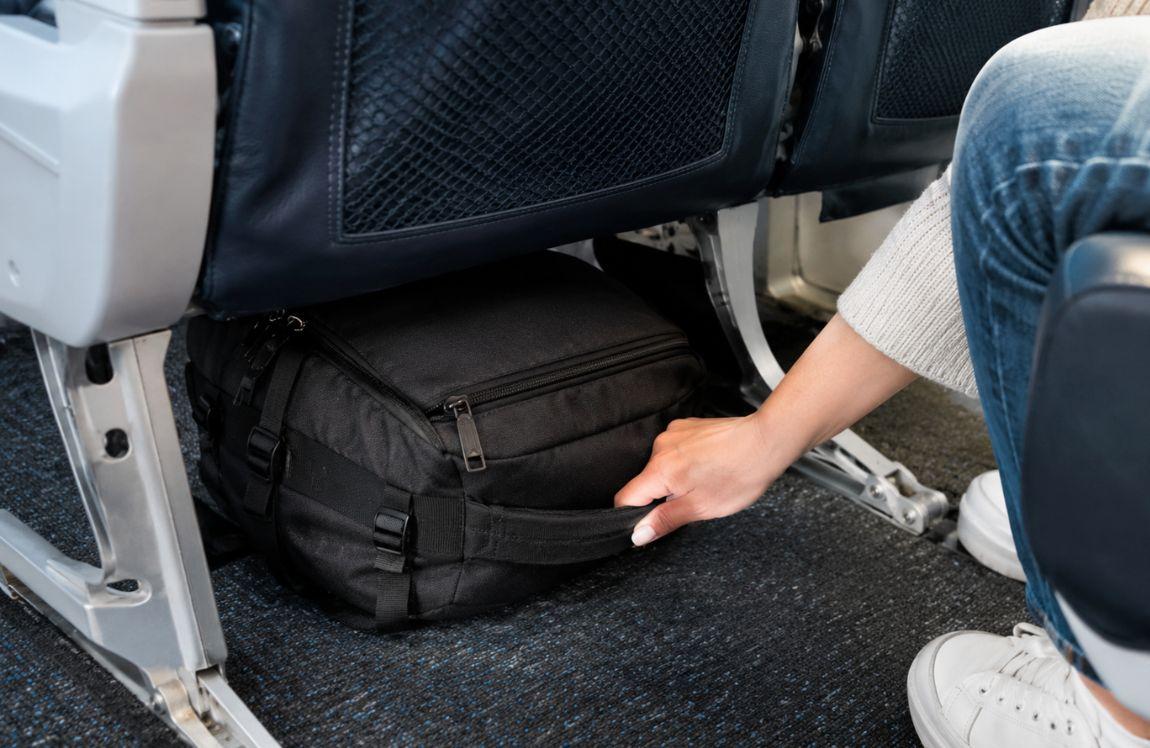
Overhead bins can fill up quickly, and passengers with larger carry-ons sometimes have to check their bags at the gate.
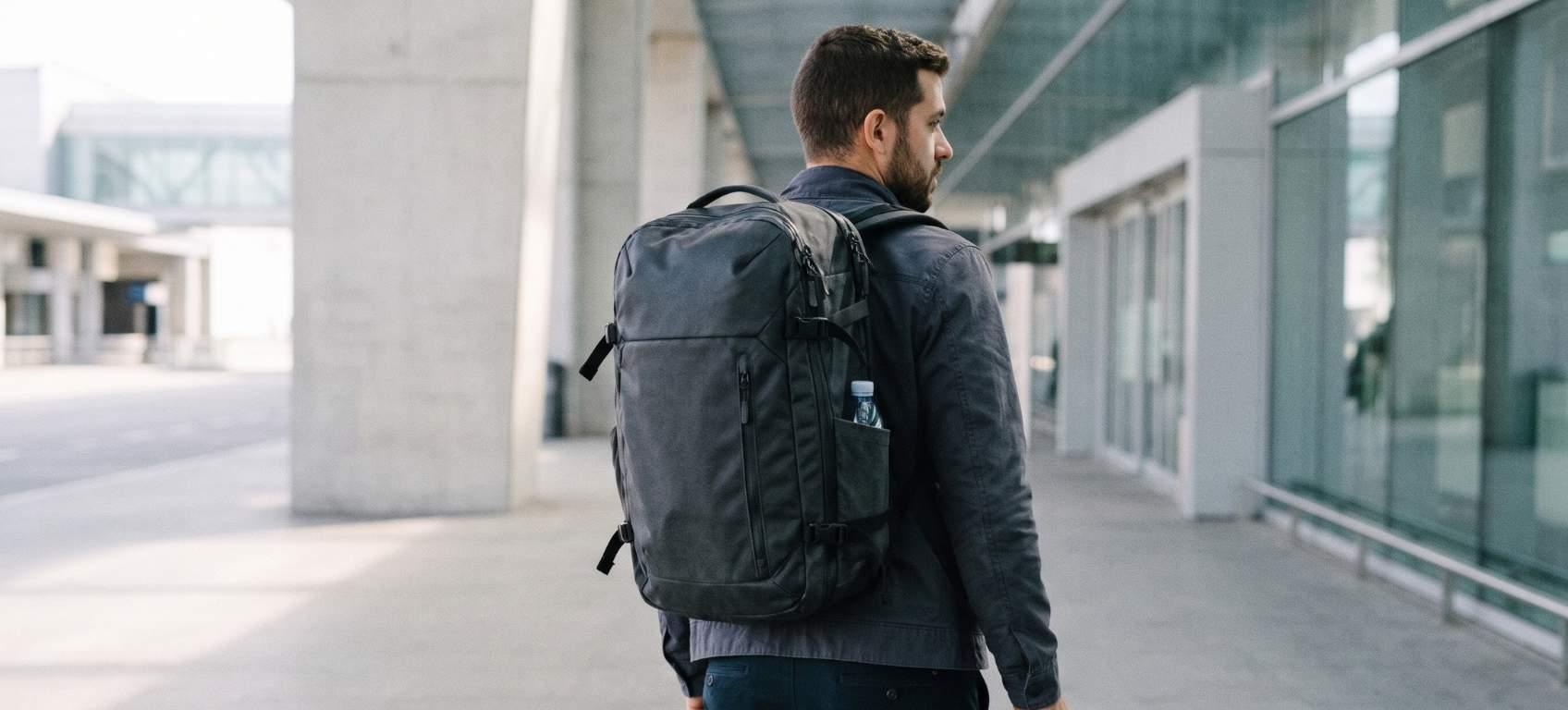
A small travel bag that fits under the seat can help you avoid that problem. Depending on the airline and the bag’s dimensions, a backpack around 26 to 30 liters may be enough for a surprisingly long trip.
The trick is to focus on what you need rather than filling every available inch. Before buying a backpack, check your airline’s personal-item size and weight limits, since not every bag in that range will qualify.
Keep your passport, phone, and other essentials somewhere easy to reach. Traveling with an underseat bag can also make boarding less stressful because you don’t have to compete for overhead storage.
Just remember that storing your bag under the seat takes up some legroom, so choose a size you’re comfortable traveling with.
6. Use Layers Instead of Packing Bulky Winter Clothes
Packing for cold weather can make traveling light feel impossible. Sweaters, jackets, and winter accessories take up far more room than summer clothing, especially when your itinerary includes different climates.
The solution is to dress in layers instead of packing several bulky outfits. Start with a warm base layer, add a sweater or fleece, and finish with a lightweight insulated jacket.
A packable rain jacket or windbreaker can provide extra protection when needed. Wear your bulkiest jacket and shoes on the plane rather than trying to squeeze them into your one bag travel backpack.
Smaller accessories, such as gloves, a beanie, or a scarf, can fit into jacket pockets. This system lets you adjust what you’re wearing as temperatures change throughout the day.
You can also reuse your regular shirts and pants with warmer layers underneath, reducing the need to pack a completely separate winter wardrobe.
7. Replace Bulky Items With Gear That Serves Two Purposes
Packing separate items for every activity can quickly turn one backpack into an overstuffed bag.
One way to save space is to choose items that serve more than one purpose. For example, quick-drying athletic shorts can work for everyday wear and swimming, so you may not need separate swim trunks.
A lightweight buff can serve as a neck warmer or head covering, while a packable jacket can add warmth without taking up much room.
The same principle applies to electronics. If you can comfortably read books or handle basic tasks on a device you’re already bringing, you might not need another one.
Before adding anything to your packing list, ask whether something else can do the same job.
You don’t have to eliminate every comfort item, but avoiding unnecessary duplicates makes a difference. The fewer single-purpose items you carry, the easier one bag travels become.
8. Keep Your Passport and Essentials on Your Body
When you’re moving through airports, train stations, or unfamiliar cities, constantly searching your backpack for your passport or phone can become frustrating. Keep your most important belongings somewhere you can reach without removing your bag.
A secure jacket pocket, zippered clothing pocket, or other close-fitting compartment can work well for your passport, wallet, and phone.
Store less frequently used items, such as spare clothing and toiletries, inside your backpack.
Give every essential item a specific place and return it there after each use. This reduces the chance of leaving something behind when you’re tired or rushing between connections.
You can also keep a small first-aid kit with blister patches and basic supplies in an accessible pocket.
The goal is to separate what you absolutely need during transit from everything else, making One bag travel easier to manage.
9. Pack a Short Charging Cable and a Spare
Charging cables can become surprisingly annoying when you’re traveling light. Long cords get tangled inside your bag, take up space on crowded trains, and can be awkward to use when outlets are close to your seat.
A short charging cable is easier to manage in tight spaces and can stay in a small electronics pouch or day bag.
A retractable cable is another option, although its moving parts can eventually wear out. Since charging cables can break or disappear during a trip, bringing one lightweight spare is worth considering.
You don’t need a separate cable for every device if several of them use the same connection. Keep the cable you use most often somewhere accessible rather than buried beneath your clothes.
This small adjustment won’t transform your packing list, but it makes charging your devices easier and reduces the hassle of dealing with tangled cords.
10. Review What You Used After Every Trip
One of the biggest reasons people overpack is that they prepare for situations that never happen.
Extra shirts, backup shoes, and rarely used electronics can occupy valuable space throughout an entire vacation.
After each trip, review everything you brought and identify what you used. Pay particular attention to clothes you never wore, devices you never switched on, and items you packed only because you thought you might need them.
Use those observations to adjust your packing list before your next departure. You can also keep a simple checklist and update it after every trip rather than starting from scratch each time.
Don’t automatically remove essential medication, safety items, or items needed for your specific destination.
Focus on unnecessary duplicates and unused conveniences. Over time, you’ll develop a packing system that fits your travel habits instead of someone else’s idea of traveling light.
Recap: One Bag Travel Hacks
- Wash a few quick-drying pieces on the road instead of packing a fresh outfit for every day.
- Wear one comfortable pair of shoes, and put your bulkiest layers on before you board.
- Choose a one bag travel backpack that fits under the seat, with your passport and phone within reach.
- Use packing cubes, a foldable bag, and a short cable so nothing gets buried.
- Review what you used after each trip and trim the list.
Pack your bag at home a few days before you leave and walk around the block with it. If it feels heavy on your shoulders, take something out.