
%2520-%25202026-07-17T155113.861.jpg&w=3840&q=75)


Turkey Travel in 2026: Safety, Scams, Money, and Essential Tips
Heading to Turkey in 2026? A local's take on money, cities, food, safety, and the one thing that trips up most first-timers.
 by Amira Bula
Turkey runs on the Turkish lira, not the euro, and that single fact saves you money from the moment you land.
Istanbul earns at least four days on any first trip, and the shoulder seasons, September through October and March through April, give you the best mix of weather and smaller crowds.
The country is safer than its reputation suggests, though scams are the thing to watch, not crime.
One quirk catches almost everyone off guard: the eSIM apps and websites don't load inside Turkey, so the smart move is to set up your eSIM before your flight while you still have a solid connection at home. Get your eSIM and test 500MB free before you go
Is Turkey on the euro, or do I need Turkish lira?
Turkey uses the Turkish lira, not the euro. A lot of travelers assume otherwise, and it's an easy assumption to make since you'll occasionally see euro prices in very touristy spots. Pay in lira anyway.
When a place quotes you in euros or dollars, the converted price is almost always higher than the lira price would have been, and getting change back in your own currency turns into a hassle. So think in lira from the start.
You'll pay for most things with your card. Local supermarkets, small markets, restaurants, they take cards without a problem.
Cash still matters for bazaars and smaller vendors, though. A simple rule that works: one week in Turkey, bring about $100 to exchange; two weeks, bring about $200.
Most of your spending goes on the card, so you don't need a thick stack of lira.
Where you exchange makes a real difference. Skip the exchange counters at the airport, their fees are steep.
Change your dollars or euros somewhere close to where you're staying instead, and you'll get a better rate.
When is the best time to visit Turkey?
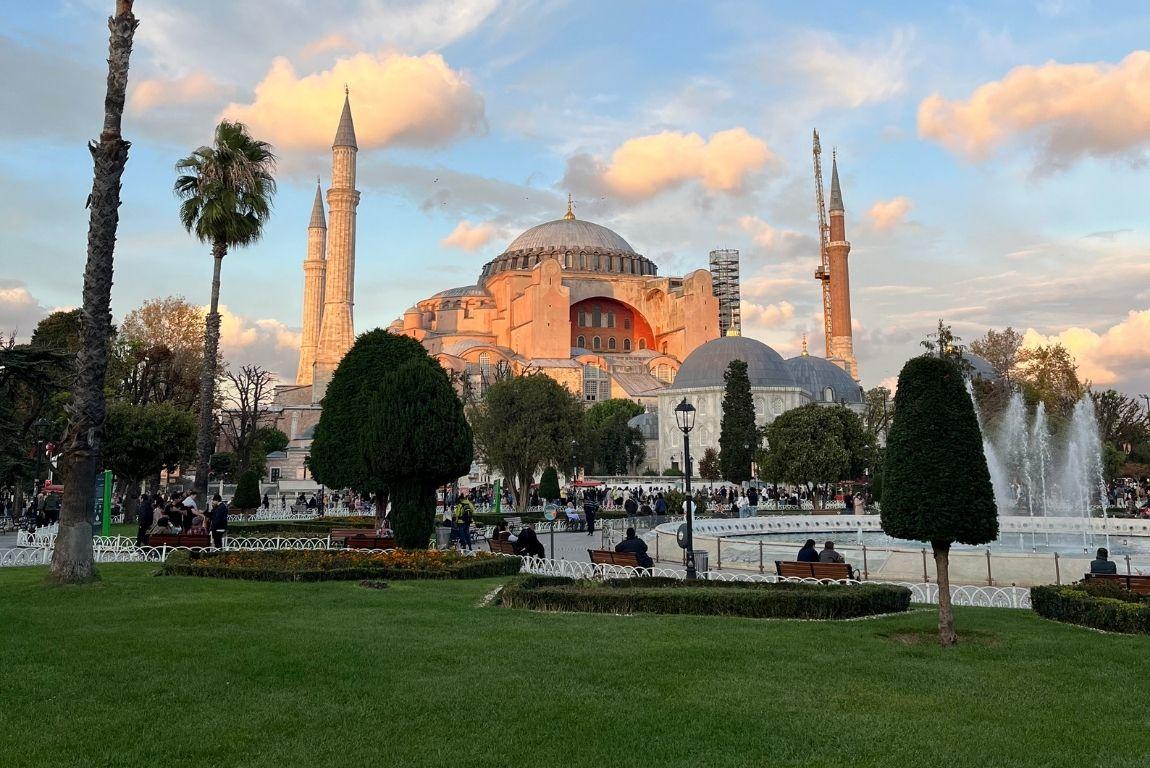
The best months for most travelers are September and October, or March and April. You get comfortable temperatures without the peak-season heat or the winter chill. That said, the right timing depends on what you're chasing.
Istanbul's summer runs from June into early September, and it warms up without getting brutal.
Coastal cities are a different story. In Antalya you can still swim into October, and Izmir holds its heat later too.
Cappadocia is the outlier: its balloon season is at its best in summer, roughly June through September, because the mornings turn genuinely cold otherwise.
Even in July, a 4 a.m. balloon departure is chilly enough that the operators hand you something to cover up.
If you love snow and cold-weather scenery, winter in Cappadocia is beautiful, just pack for it.
Which cities should I visit on a first trip?
Istanbul
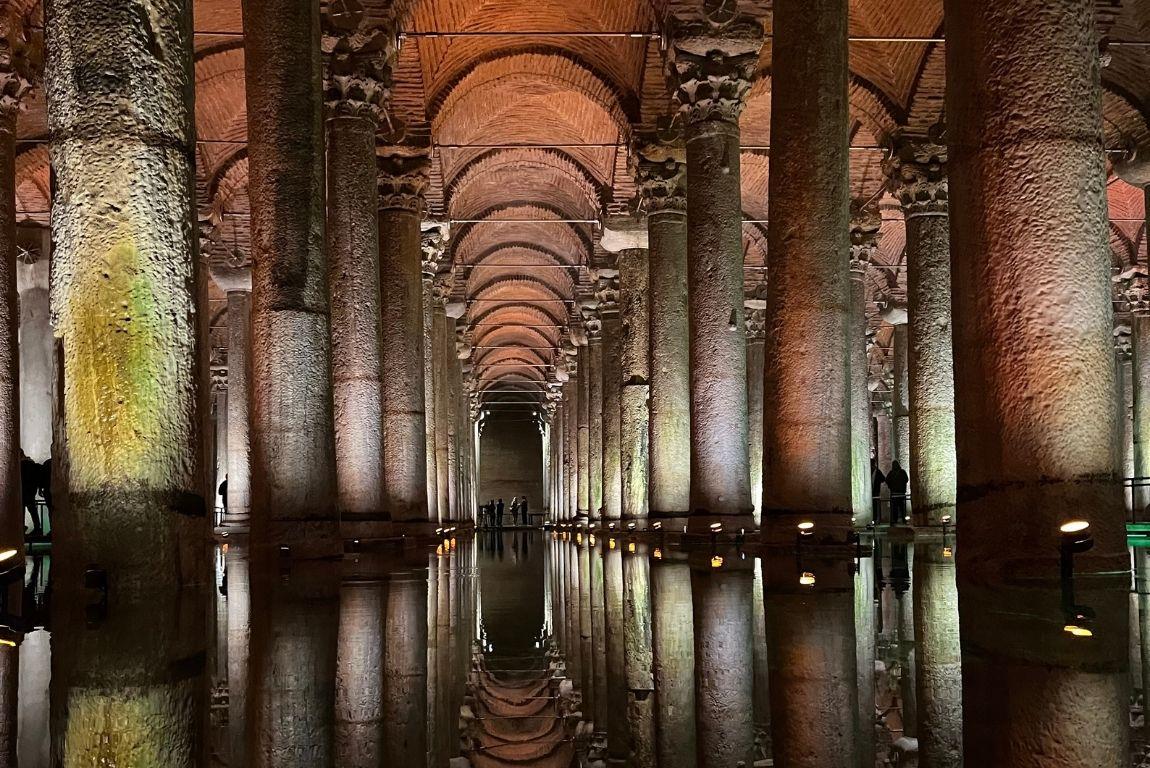
Start with Istanbul. It's the one city you can't skip and still say you've seen Turkey.
Part of what makes it singular is the geography: it's the only city in the world that sits on two continents at once, split between a European side and an Asian side.
The Asian side is more residential, where a lot of people live, while most of them commute to work on the European side.
Crossing between the two can eat two to three hours in traffic, especially around lunchtime or after 5 p.m.
Stay on the European side. You'll be close to the historic sights, since most of them are over there, and you can hop a ferry across to the Asian side whenever you want, they run several times a day.
Doing that ferry ride, standing on the Bosphorus with the city on both sides of you, is one of those experiences that feels almost painted rather than real. Worth it every single day of your trip.
Cappadocia
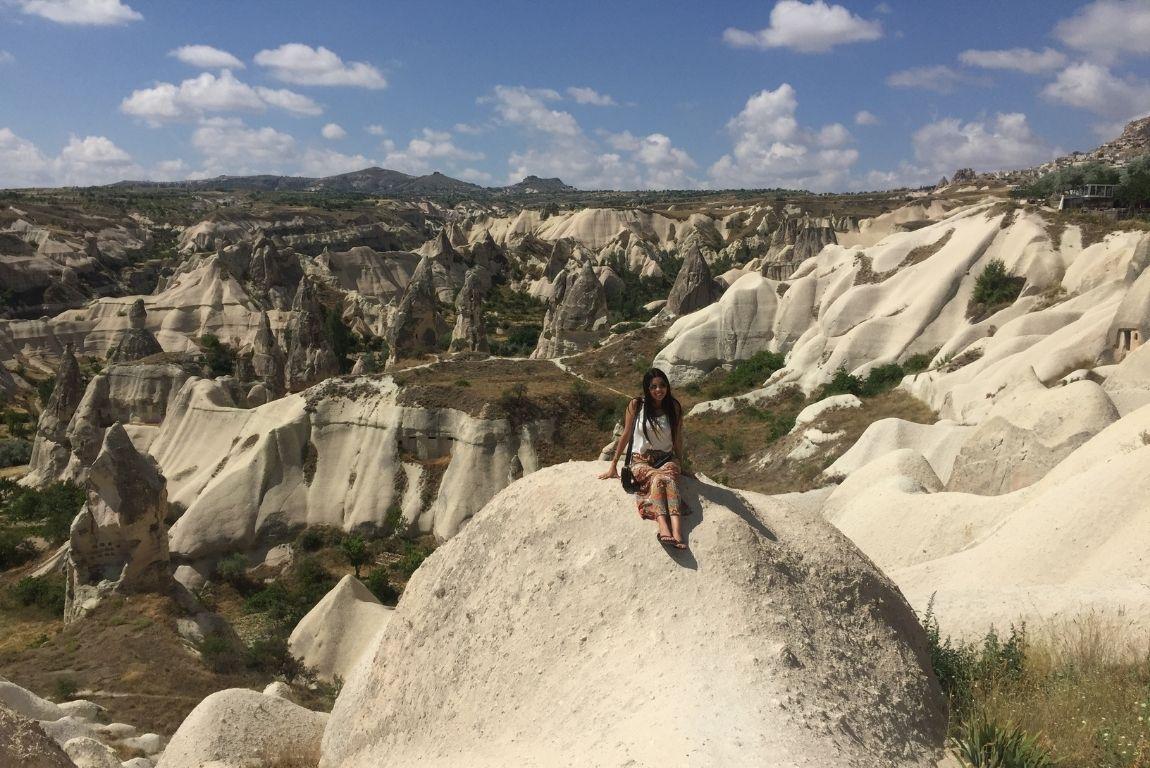
Cappadocia is a cave region, and it's where those famous hot air balloons launch. Three days is about right, it's small.
Spend the first day arriving and settling in, maybe touring the natural parks in the area and eating well.
The balloons come the next morning, and they lift off around 4 a.m. so you catch the sunrise from above.
Stay in a cave hotel while you're there. Most of the hotels are built into the caves, and skipping that would mean missing half the point of the place.
Izmir and around
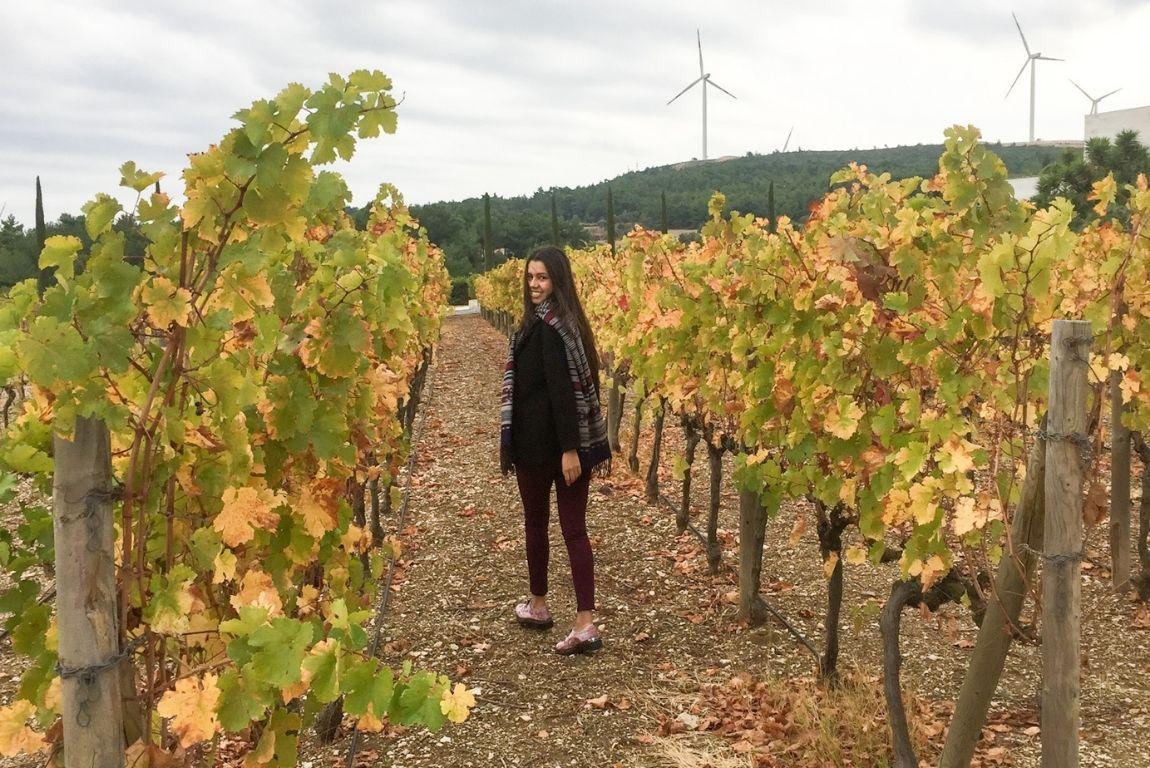
Izmir sits close to Greece and draws a lot of travelers for religious reasons, since the House of the Virgin Mary is nearby. The ancient Celsus Library is here too, and it's stunning up close.
Just outside the city there's a cluster of small towns worth a detour: Sirince, a little wine town, and the seaside spots of Cesme for swimming and Alacati for long lunches and restaurants.
Alacati in particular looks a lot like Greece.
Antalya
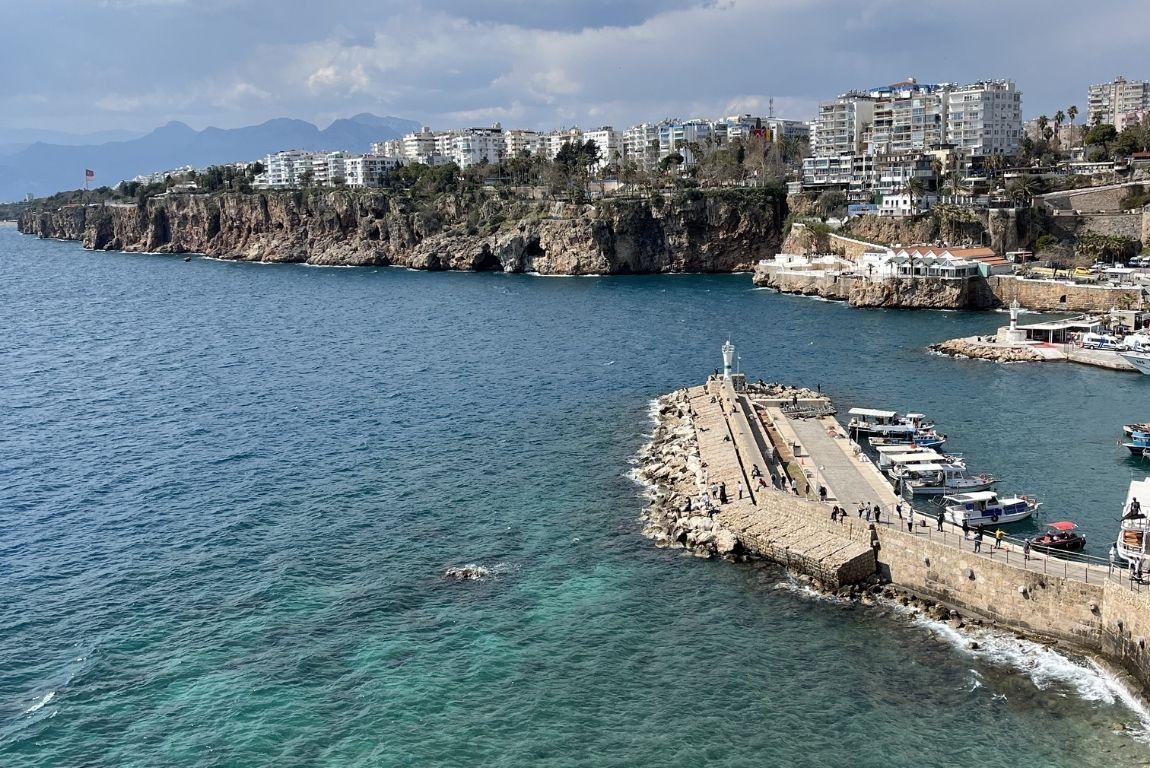
Antalya is Turkey's summer city, the hottest of the bunch, with beaches that stay a deep, almost unreal blue against a backdrop of mountains.
Beyond swimming, there's a theme park called the Land of Legends and a large shopping mall.
Plenty of cafes to work from, too, if you're mixing a little remote work into the trip.
Is Turkey safe for American tourists?
Yes, Turkey is safer than a lot of people expect, and safer than many European countries.
The news and media paint a scarier picture than reality. Pickpocketing, for instance, is far less common here than in a lot of European cities.
Scams are the real thing to stay alert for. The most common ones involve taxi drivers, so don't flag down taxis on the street. Use Uber instead.
You see the price before you ride, the car actually shows up, and drivers tend to be more courteous since they know you're rated too. There's another taxi app called Bitaksi, but drivers cancel often, so Uber stays the safer bet.
At bazaars, expect the first price to be inflated well above what things cost. If you want something, start by offering roughly half.
And at restaurants, glance over the bill to make sure you're only paying for what you ordered.
None of this should scare you off, it's just the normal awareness that makes any trip go smoothly.
How do I get around inside Turkey?
Flying is the easiest way to move between cities, especially out of Istanbul. There are daily flights to just about everywhere, including frequent hops to Izmir and Dalaman, and the longest domestic flight tops out around an hour and a half.
Turkish Airlines is the big, reliable name; Sun Express and Pegasus are the other popular carriers. Domestic flights and long-distance buses are both dependable and safe.
If you'd rather travel overland, buses are a solid option, but the company matters.
Book with Pamukkale. They're punctual, they tell you your real arrival time, and their site lets you reserve in advance.
A lot of other bus companies stop everywhere and run late, so you lose half your day on the road.
Pamukkale also runs shuttle buses that carry you between the terminals and spots near your destination.
Getting from the airport into the city usually means a bus. Step outside any Istanbul airport and you'll spot the Havaist buses; they run frequently and cover different areas of the city on different routes.
Each city has its own airport buses, and where there's a metro, that works well too. For city taxis, the answer stays simple: use Uber.
Where should I stay in Istanbul, and for how long?
Stay on the European side, near a metro station, so you can move between sights easily.
Karakoy and Taksim are both good bases. One neighborhood to avoid is Tarlabaşı. Turkey is safe overall, but that's the one pocket worth steering clear of.
Give Istanbul at least four days. That's enough to see the Hagia Sophia, climb the Galata Tower, visit the Blue Mosque, and take that ferry across to the Asian side, with time left for a yacht tour.
Build in one meze night while you're at it. Meze is Turkey's answer to tapas, lots of small seafood plates, and it flies under the radar with most tourists even though it's some of the best eating in the city.
Istanbul has a serious food culture, so leave room to graze.
On booking: you can find good places last minute, but you'll pay more for the privilege. Reserve ahead and the same rooms cost less.
What food and customs should I know about?
For customs, the big one is mosque etiquette. Women should cover their shoulders and hair.
Most mosques are set up for visitors, so if you're not dressed for it, they'll have clothing you can put on, or you can drape a scarf over yourself.
If you're invited to someone's home, take your shoes off at the door, nobody wears shoes inside the house.
Now the food, and this goes past the usual tourist list. If you like seafood, the mezes are the move, small plates of seafood and salad that most visitors never try.
Kebabs are as good as advertised, and tantuni, a wrap a bit like a burrito but without the sauces, is everywhere and worth ordering.
For something locals actually eat day to day, get manti: tiny ravioli-like dumplings, usually filled with ground beef, topped with yogurt and spices. Really tasty.
Soups get popular as autumn arrives, and mercimek corba, a lentil soup, is the one everyone reaches for. Round it out with dolma, iskender, and, if you're vegetarian, çig kofte.
Breakfast means simit, the sesame bagels sold on nearly every corner.
One practical note on language. Turkey isn't especially English-friendly once you step outside tourist areas.
Turkish people are patient about it, they know their language isn't widely spoken, so lean on Google Translate and you'll be fine. Which brings up why having a connection matters so much here.
How do I stay connected in Turkey?
Set up your eSIM before you fly. This is the one thing that catches most first-timers, so it's worth spelling out.
Inside Turkey, the eSIM apps don't work, and the eSIM websites don't load either. The only workaround once you're there is a VPN.
The clean solution is to choose your data plan and install it before departure, while you still have good internet at home. The day before your flight is fine, or even the same day, as long as you're still connected.
This is where GigSky fits in for a trip like this. If you're new to eSIMs and want to make sure yours works before you commit, GigSky gives you 500MB free, and you don't have to add a card to get it.
You download the GigSky app, type Europe, and redeem the free data for Turkey. The GigSky Europe eSIM covers 42 countries, and Turkey is one of them, so if you're connecting through another European country before you land, you stay connected the whole way through.
If you carry an eligible Visa card from the U.S., Canada, or Latin America, you get up to 5GB free when you travel to Turkey.
To check, download the GigSky app, scroll down to offers, and tap the Visa banner. It'll ask for your card number, but you won't be charged. That step only confirms whether your card is eligible, and if it is, the data is yours.
One honest caveat: GigSky's entry pricing sits a little above the cheapest reseller eSIMs, so if rock-bottom price is your only priority, you'll find lower headline numbers elsewhere.
What you get in exchange is a connection that's live the moment you land, a single plan that covers Turkey plus 41 other countries, and free data to test it first.
For most first-time visitors juggling maps, translation, and ride apps, that reliability is what matters.
Setting it up
- Download the GigSky app before your flight.
- Type Turkey, in the search bar or Europe if your trip includes other stops in Europe and choose the Europe eSIM to redeem your 500MB free data.
- Install the eSIM while you still have a strong internet connection at home.
- If you have an eligible Visa card, tap the Visa banner under offers and enter your card number to confirm eligibility. You won't be charged.
eSIM before you fly vs. a local SIM on arrival
Here's how the two common approaches compare for a Turkey trip.
| GigSky eSIM | Local SIM at the airport | |
|---|---|---|
| Setup | Install once before you fly, connects on arrival | Buy in person, passport often required |
| Works on arrival day | Yes, install while you still have good internet at home | Only after you find a shop and set it up |
| Turkey coverage | Included in the Regional Europe plan (42 countries) | Turkey only |
| Free data to test first | 500 MB free, no card needed | None |
| Eligible Visa benefit | Free data for eligible U.S., Canada, and Latin America cards | Not applicable |
Set up GigSky before you fly and land connected
Any health or practical tips before I go?
Don't drink the tap water in Turkey. Stick to bottled, and you're set. Power outlets are the same as the rest of Europe, so a European adapter covers you, no Turkey-specific plug to hunt down.
For apps, keep it lean: Uber for getting around, Google Translate for language, and Google Maps for navigation, which works well throughout the country.
Turkey travel FAQ
Can I use euros or dollars in Turkey?
You can in some tourist spots, but you shouldn't. Prices quoted in euros or dollars tend to run higher than the lira price, and change is awkward to get back. Pay in Turkish lira.
Do I need cash, or is a card enough?
A card covers most spending, including small markets and supermarkets. Carry some cash for bazaars and small vendors: around $100 exchanged to lira for a one-week trip, $200 for two weeks.
Is it easy to fly between Turkish cities?
Very. Istanbul has frequent daily flights to destinations like Izmir and Dalaman, and the longest domestic flight is about an hour and a half. Turkish Airlines, Sun Express, and Pegasus are the main carriers.
Will my eSIM app work once I'm in Turkey?
No. eSIM apps and websites don't load inside Turkey, so you need to install your plan before you fly. A plan like GigSky lets you set up at home and land connected, and you can test 500MB free without adding a card.
Is the Visa travel benefit really free?
Yes, for eligible Visa cardholders from the U.S., Canada, or Latin America traveling to Turkey.
You confirm eligibility by tapping the Visa banner in the GigSky app and entering your card number, which doesn't charge you.
Download GigSky and claim your free data
Recap: Turkey Travel in 2026
- Pay in Turkish lira, not euros, and exchange money near your accommodation rather than at the airport.
- Aim for September to October or March to April for the best weather and thinner crowds.
- Give Istanbul at least four days, stay on the European side near a metro, and skip Tarlabasi.
- Turkey is safe; watch for scams, use Uber over street taxis, and haggle at bazaars starting near half price.
- Fly between cities when you can, or book Pamukkale for buses.
- Try meze, manti, tantuni, and simit, and lean on Google Translate outside tourist areas.
- Skip the tap water, pack a European adapter, and download Uber, Google Translate, and Google Maps.
- Set up your eSIM before you fly, since the apps don't work inside Turkey. GigSky offers 500MB free to test, covers Turkey through its 42-country Europe plan, and gives eligible Visa cardholders free data.