
%2520(48).jpg&w=3840&q=75)


The Best Valentine’s Day Gifts for Travelers in 2026
 by Amira Bula
Valentine’s Day comes with a familiar expectation: you’re supposed to find something meaningful. Something that signals you understand your partner, not just what they like, but how they live.
For couples who travel, that expectation narrows quickly. You’re not shopping for romance wrapped in ribbon. You’re looking for something that actually improves their experience on the road.
The best Valentine's day gifts don’t rely on grand gestures. They quietly remove the small, recurring frustrations that drain energy from a trip: a phone dying right when you need directions, the low-level anxiety of checked luggage, Wi-Fi that works only when you don’t need it.
This guide focuses on six gift ideas for Valentine's day that reduce friction at every stage of travel, so you can spend less time troubleshooting and more time being present together.
Start With Connection: A GigSky eSIM Gift Card
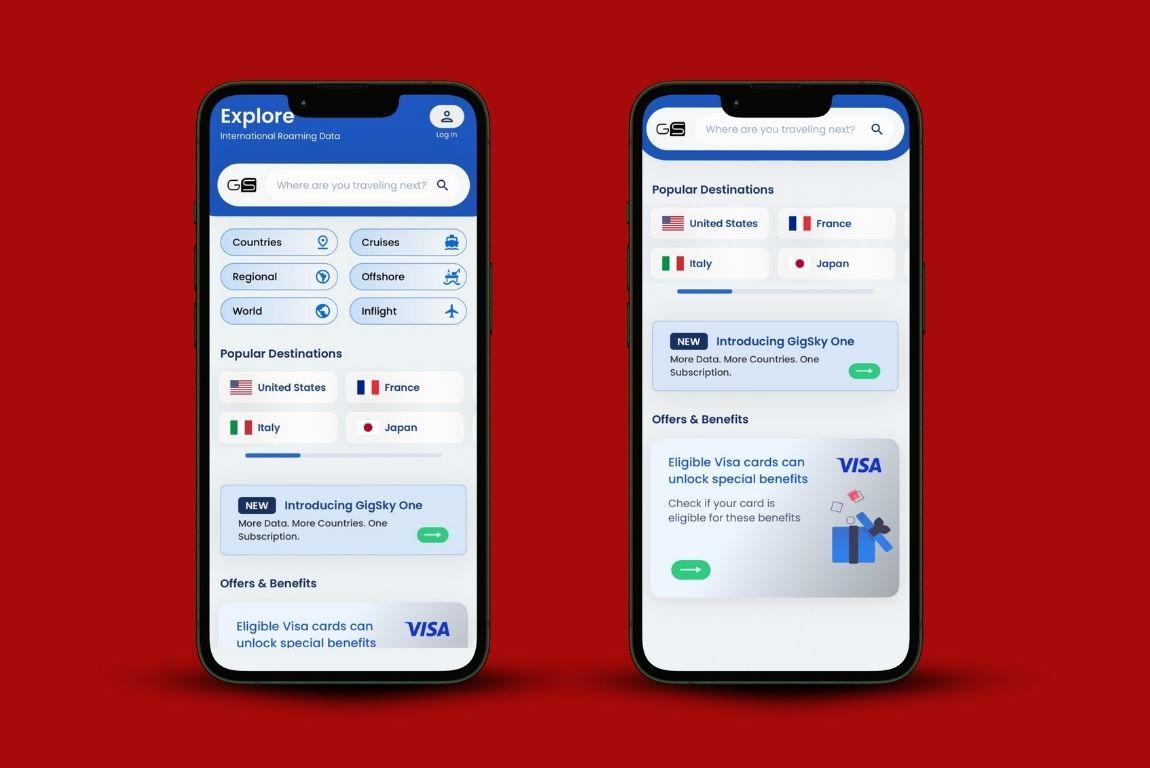
Start with connectivity, because everything else depends on it. When you land in a new country, your phone immediately becomes essential.
It’s how you translate a menu, navigate unfamiliar streets, access boarding passes, and reconnect if you split up in a crowded place. It’s how you call a ride when you’re exhausted, check reviews on the fly, or show friends back home exactly where you are.
Most travelers still deal with connectivity the hard way. Daily roaming charges that quietly stack up. Public Wi-Fi that works inconsistently. Time wasted after arrival searching for a local SIM.
A GigSky eSIM gift card removes that entire sequence. Your partner installs the app before the trip, selects a plan for their destination (with coverage in over 190 countries), and has data the moment they land.
That’s why it stands out as one of the most practical yet inexpensive Valentine's day gifts available. Plans start at $25, but the benefit lasts for the entire journey.
Reliable connectivity isn’t just about convenience. It gives your partner autonomy, confidence, and a sense of control from the first step off the plane. It’s a quiet way of saying: I want you to feel capable wherever you go.
The gift card format adds flexibility as well. They choose exactly how much data fits their trip, whether it’s a short city break or several weeks moving between countries. Nothing goes unused, and nothing feels mismatched.
Create Personal Space: Premium Noise-Canceling Headphones

Travel rarely offers silence. Airports echo with announcements. Flights come with engine noise and neighboring conversations. Budget hotels bring street traffic at hours you didn’t plan for.
High-quality noise-canceling headphones don’t just play music. They create a controlled environment inside spaces designed to overwhelm your senses.
The technology actively counteracts ambient noise, giving your nervous system a chance to reset. That difference becomes noticeable fast.
Look for models with adaptive transparency modes. This lets your partner choose between full isolation and awareness when needed. They can block out cabin noise on a long-haul flight, then switch modes to hear announcements without removing the headphones.
Battery life matters here. Aim for at least 30 hours so they’re not rationing silence between flights.
The result shows up across the trip. Better sleep in transit. Clearer focus during travel days. Less arrival fatigue, which means more energy once you’re actually where you planned to be.
Eliminate Baggage Anxiety: A Bluetooth Luggage Tracker
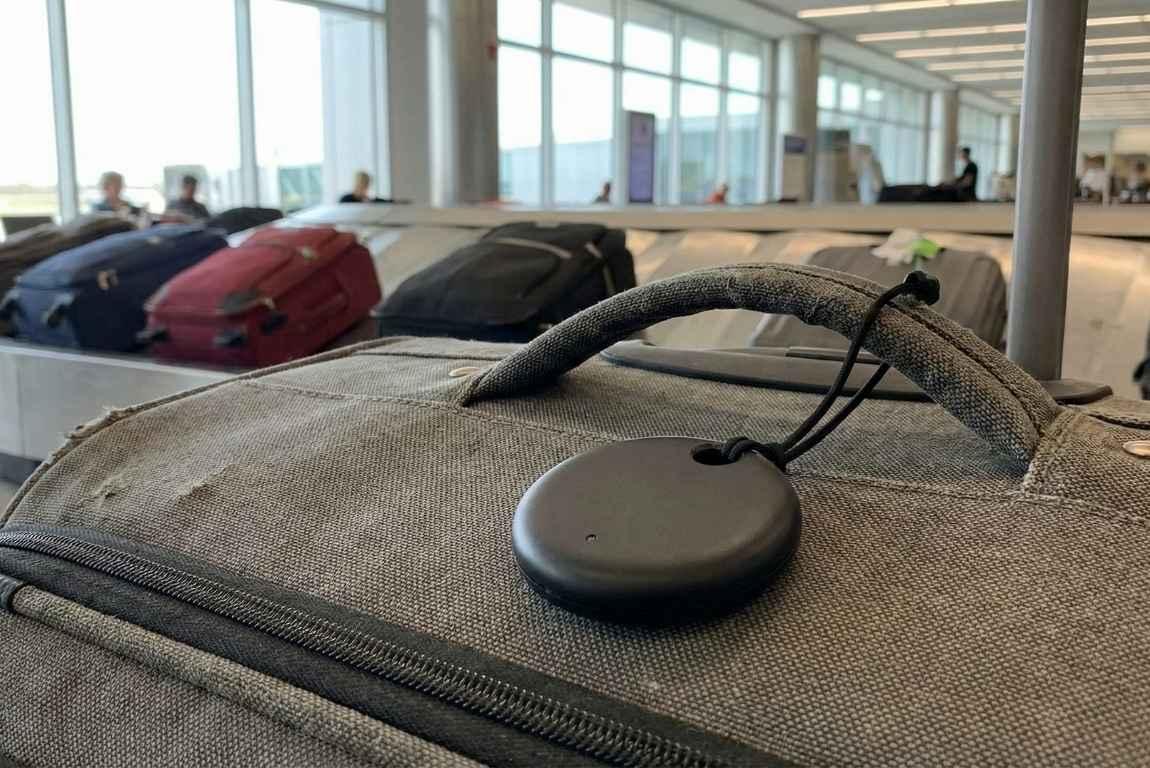
Checking a bag introduces a specific kind of tension. You watch it disappear, then spend hours hoping it followed the same route you did. Connections amplify that worry. Was the layover long enough? Did it make the transfer?
A coin-sized Bluetooth luggage tracker replaces guessing with certainty. Slip it into the suitcase, and your partner can see exactly where their bag is from their phone—on the carousel, in transit, or still at the departure airport.
That shift matters emotionally. Instead of waiting and wondering, they check once and know. The bag is here. Or it isn’t—and that clarity lets them act immediately.
Tracking also changes how people pack. When you’re not constantly worried about loss, you pack more intentionally instead of defensively. That peace of mind follows you beyond baggage claim.
Solve Power Problems: A Universal GaN Adapter
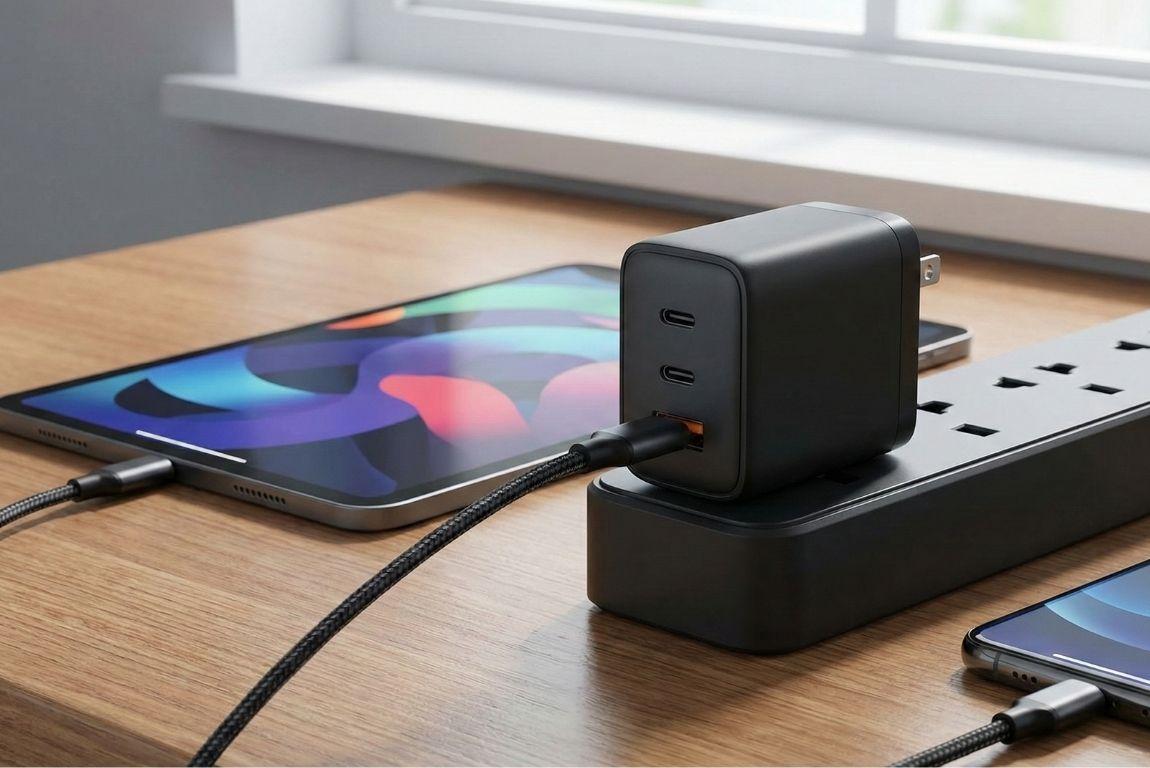
Dead devices stall momentum. You’re ready to explore, but your phone is nearly empty. The hotel outlets don’t match your plugs. Your laptop died mid-flight and now you’re negotiating café outlets.
A universal travel adapter built with GaN technology addresses all of that. Gallium Nitride allows for higher power delivery in smaller designs. A good one charges a laptop, phone, and tablet at once while taking up minimal space.
The universal aspect matters because plug types vary widely. One adapter works across Japan, Europe, South America, Australia, and the UK. Your partner carries a single compact solution instead of multiple adapters and extra cables.
That simplicity adds up. Lighter bags. Faster charging. Fewer decisions at the end of a long day. Small efficiencies compound into a noticeably smoother trip.
Create Order: A Compression Packing Set
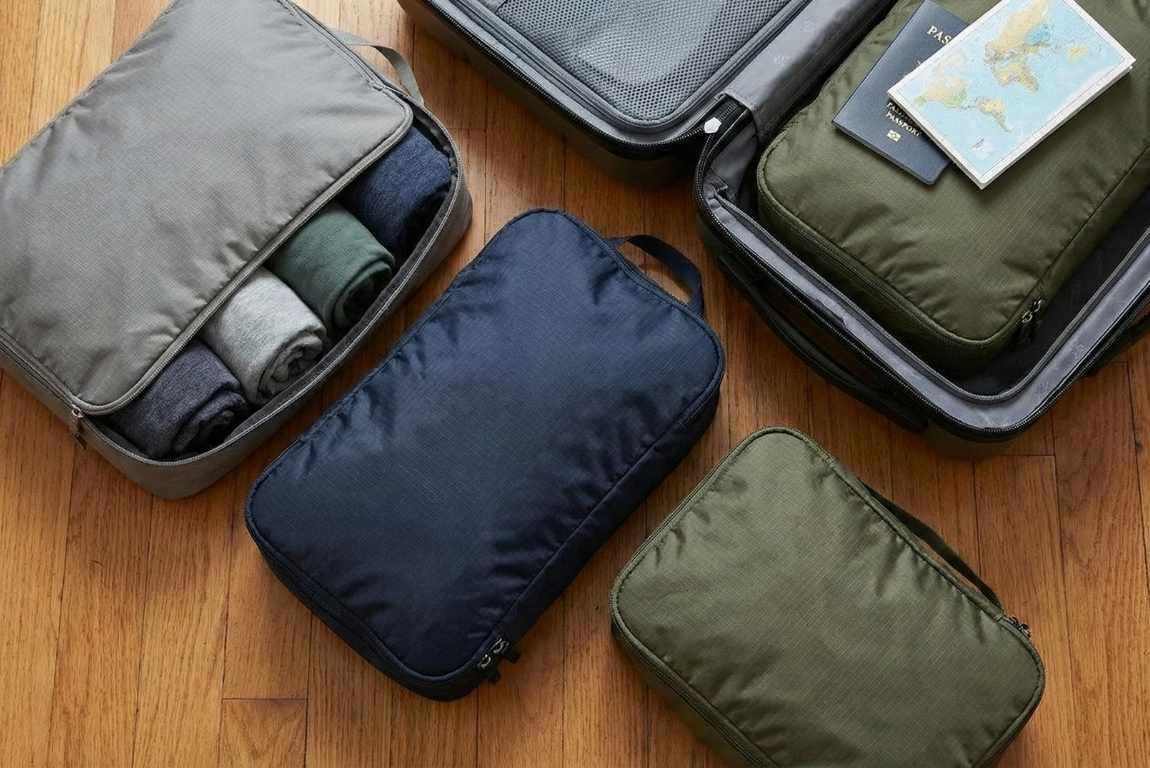
Disorganized luggage creates unnecessary stress. Clothes wrinkle. Items disappear. You unpack everything to find one cable, then struggle to repack it all.
Compression packing cubes impose structure. Each cube holds a category—tops, bottoms, essentials, electronics—and compression zippers reduce bulk while keeping everything contained.
The benefit isn’t just neatness. It’s consistency. Your partner can access what they need without dismantling their entire suitcase, and the organization holds throughout the trip instead of collapsing after the first stop.
That reduces decision fatigue and wasted time, two things that quietly erode travel enjoyment.
Preserve Memory: A Minimalist Travel Journal

Digital tools manage logistics, but they don’t always capture meaning. A slim, thoughtfully designed travel journal invites slower reflection.
It’s where your partner records the taste of a meal, the sound of a street at dawn, a conversation that changed their perspective, or a realization that didn’t fit into a photo.
Writing by hand engages memory differently. It forces attention and presence. Over time, the journal becomes more than notes—it becomes a record of how the journey felt, not just where it went.
As a Valentine's day gift, this acknowledges that travel doesn’t end when the plane lands. Memory is part of the experience, and creating space for it adds depth to every trip.
What These Gifts Do
None of these gifts are about luxury for its own sake. They’re about removing friction.
Connectivity stress. Noise fatigue. Luggage uncertainty. Power issues. Packing chaos. Lost details. These problems aren’t dramatic, but they accumulate. They chip away at patience and presence.
When you address them, you’re not just giving objects. You’re giving your partner more energy, more confidence, and more room to enjoy where they are, and who they’re with.
That’s what makes these the best Valentine's day gifts for travelers. They reflect the real experience of moving through the world and offer support where it actually matters.
| Travel Style | Most Valuable Gifts | Why They Matter |
|---|---|---|
| Digital Nomads | GigSky eSIM, GaN Adapter, Noise-Canceling Headphones | Enable work from anywhere without connectivity or power anxiety |
| Adventure Travelers | Bluetooth Tracker, Compression Cubes, Travel Journal | Support gear organization and memory preservation during active trips |
| Frequent Flyers | Noise-Canceling Headphones, GigSky eSIM, GaN Adapter | Reduce transit stress and maintain productivity across time zones |
| Couples Who Split Up During Trips | GigSky eSIM, Bluetooth Tracker | Maintain connection and security when exploring separately |
Why Connection Comes First
Starting with connectivity is intentional. A GigSky eSIM gift card forms the foundation everything else builds on.
Without data, your partner can’t navigate confidently, adjust plans in real time, stay in touch when you split up, or handle disruptions smoothly.
Connection enables independence. Everything else enhances it.
Layered together—headphones, trackers, adapters, organization tools, and memory-keeping—these gifts support every phase of travel, from preparation to reflection.
What This Guide Leaves Out
You’ll notice what’s missing: jewelry, flowers, novelty travel accessories.
Those items can be nice, but they don’t reduce friction. They don’t help at immigration, during delays, or on arrival in unfamiliar places.
This guide prioritizes impact over aesthetics. Every recommendation solves a real problem travelers encounter repeatedly.
That’s why your Valentine's day gift keeps delivering value long after February 14 passes.
Recap: The Best Valentine's Day Gifts for Travelers
If you’re choosing gift ideas for Valentine's day for someone who travels, start here:
- Connectivity forms the foundation for everything else, making a GigSky eSIM gift card the most practical starting point that enables navigation, safety, and spontaneous exploration across 190+ countries
- Noise-canceling headphones protect mental energy during transit by creating personal space in overwhelming environments, directly improving rest quality on long flights and reducing arrival fatigue
- Bluetooth luggage trackers transform baggage anxiety from passive hoping into active knowing, removing a major stressor from multi-leg international flights
- Universal GaN adapters solve device charging across different plug standards while keeping carry-on weight minimal, eliminating the common power and compatibility problems that disrupt daily momentum
- Compression packing cubes establish luggage organization that persists throughout trips rather than collapsing into chaos after the first hotel, saving time and reducing daily friction
- Minimalist travel journals preserve the sensory details and unexpected insights that photos miss, acknowledging that travel's value extends beyond the immediate experience into lasting memory