

.jpg&w=3840&q=75)


Top 6 Easiest European Countries to Get a Digital Nomad Visa in 2025
Discover 6 European countries with digital nomad visas so easy, you'll wonder why you haven’t packed your bags already. 2025 is your year.
 by Amira Bula
If you’re a remote worker thinking about living in Europe, a digital nomad visa is one of the most straightforward ways to make it happen legally.
But not all visas are created equal. Some countries keep the process simple and the costs manageable.
Here are six European countries that offer the easiest, most accessible digital nomad visas in 2025.
1. Albania: Easy Paperwork and Low Rent
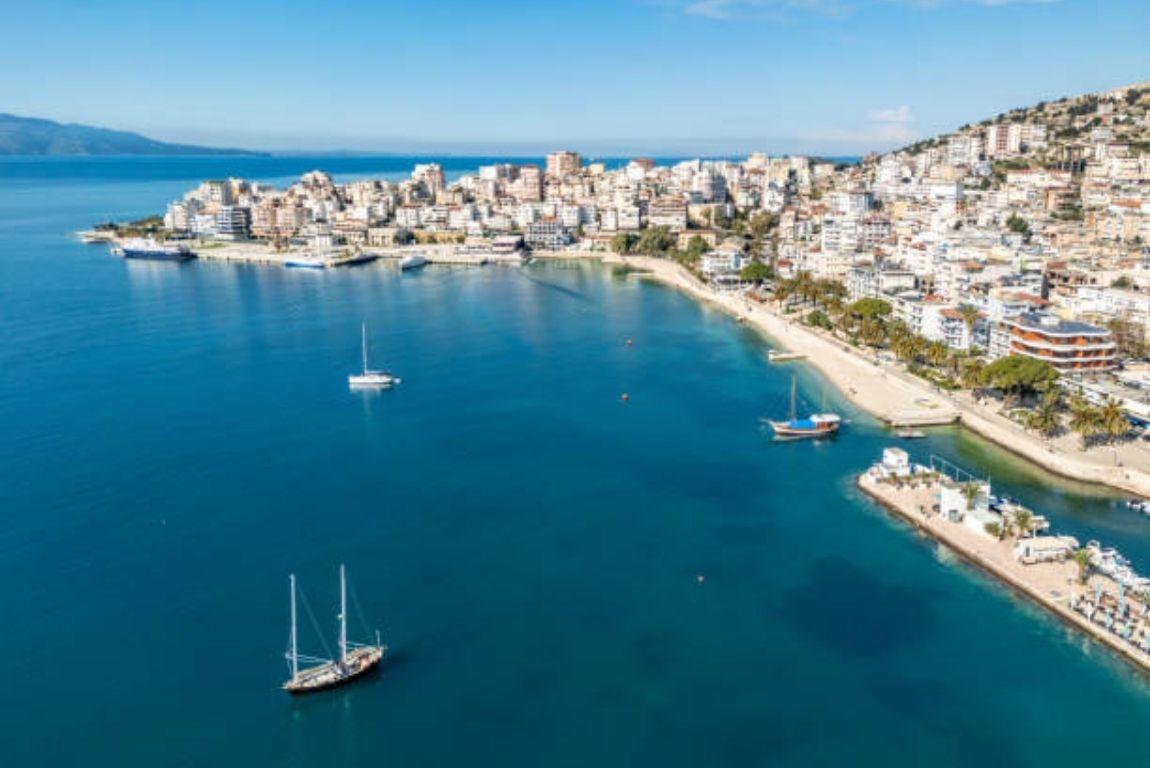
Albania’s digital nomad visa, called the "Unique Permit," is available fully online through their e-Albania portal.
The application fee depends on the unique permit you are applying for and the process is streamlined. U.S. citizens already receive visa-free entry for one year, but this permit offers a formal pathway for extended stays and renewals.
There’s no legally fixed income requirement, but officials suggest around €816 per month as a target.
You can renew annually, up to five years, and after that apply for permanent residency.
The cost of living is among the lowest in Europe, with rent for a one-bedroom in Tirana around €400–€700 and monthly expenses around €1,200–€1,500.
Internet speeds in cities average around 80 Mbps.
Albania does not tax foreign income during your first year on the visa, making it an affordable entry point for new nomads.
2. Croatia: Easy Online Process & No Taxes
Croatia allows you to apply entirely online, with processing times typically between 2–4 weeks. No embassy visit is required.
The income requirement is around €2,360 per month or a lump sum of €28,000 for a 12-month stay.
The nomad visa is valid for 12 and you can extend it 6 months more for a total of 18 months, after that, you need to exit the Schengen area for 90 days before reapplying.
Monthly living costs range from €1,200 in Zagreb to over €2,000 in coastal cities like Split and Dubrovnik during the summer.
Internet is reliable with average speeds around 90 Mbps.
Croatia does not tax foreign income for digital nomads, and the country offers a growing support network through initiatives like DNA Croatia.
3. Hungary: Fast Process
If you're considering Hungary's White Card program, here's what you need to know.
You'll have to visit a Hungarian consulate in person to apply – no getting around that one – but the good news is the application itself is straightforward. Most people get their approval in about a month.
The income requirement sits at €2,000 per month, and you'll need to prove you've been hitting that mark consistently for the past six months. Think bank statements, employment letters, or client contracts – whatever shows that steady income flow.
Once you get approved, your visa lasts for a full year, and here's the kicker: you can renew it once for another year. That gives you two solid years to test the waters and see if Hungary's your kind of place.
Speaking of testing the waters, Budapest's got perks. The internet speeds are impressive – we're talking around 212 Mbps, which means your Zoom calls won't be cutting out mid-sentence.
And your wallet will thank you too. Most people find they can live comfortably on about $1,369 a month, covering everything from rent to that daily coffee habit.
One last thing to keep in mind: Hungary won't tax your foreign income unless you end up staying more than 183 days in a year.
Cross that threshold, and you'll trigger tax residency – something worth planning around if you're keeping income sources back home.
4. Malta: Fast, Fully Online Application

Malta’s Nomad Residence Permit is fully digital. You submit your documents via email and can complete the process in about a month.
The income requirement is €3,500 per month. The visa is valid for one year and renewable for up to three years.
Living costs are higher, with rent and expenses typically totaling around €1,590 per month.
However, Malta’s remittance-based tax system allows most digital nomads to avoid local taxes if they don’t bring all their income into the country.
The internet averages 148 Mbps, and English is widely spoken.
5. Portugal: High Requirements, Long-Term Potential
Portugal’s D8 digital nomad visa involves consulate processing and an appointment with immigration (AIMA) upon arrival.
You must earn at least €3,480 per month, and the process can take 2–4 months.
The visa leads to a one-year residence permit and can be renewed for up to five years.
After that, you can apply for permanent residency or citizenship.
Lisbon and Porto have high living costs (around €2,200/month), but excellent infrastructure, fast internet (206 Mbps), and large nomad communities.
Portugal used to offer lower tax rates through its Non-Habitual Resident (NHR) program. However, that program has ended, and now digital nomads may face tax rates between 45% and 48%, depending on their income.

6. Spain: Accessible for Employees, Strong Tax Incentives
Spain’s new remote work visa allows you to apply from within Spain or through a consulate.
The income requirement is around €2,334 per month. The visa is valid for one year, with the possibility of renewing up to five years total.
Spain offers the "Beckham Law," a tax scheme that allows employees (not freelancers) to pay a flat 24% tax only on Spanish-sourced income, exempting foreign earnings.
The Internet is fast (246 Mbps), and living costs vary by region, from €1,400/month in Valencia to €2,500 in Madrid.
How to Stay Connected While Traveling
One practical issue many digital nomads overlook is mobile data.
Switching SIM cards in every country is inconvenient and not necessary.
GigSky offers eSIM plans that work across 42 European countries, including the UK, Turkey and Cyprus.
With data packages ranging from 100MB to 100GB and unlimited options for short stays, GigSky lets you stay online without managing multiple eSIMs.
If you’re planning to move between Albania, Croatia, Spain, and beyond, having one eSIM that works everywhere reduces friction. You install it once, and you're set for the entire trip.
For the summer 2025, GigSky is offering 500MB of free data with Europe eSIM plans, try it now and stay connected effortlessly across the continent.
To Recap…
The easiest nomad visas in Europe are not always in the most obvious places.
Albania, Croatia, and Hungary offer simple processes and manageable costs. Malta provides convenience and tax flexibility.
Portugal and Spain are better suited for nomads looking to plant long-term roots in Europe.
Choosing the right country depends on your income level, preferred lifestyle, and whether you're thinking short-term or permanent move.
With the right digital nomad visa and the right connectivity plan, working remotely in Europe in 2025 can be both legally secure and personally fulfilling.