
.jpg&w=3840&q=75)


Everything You Need to Know Before Seeing the Northern Lights in Norway 2026
Norway’s Northern Lights aren’t luck. Timing, location, and weather decide everything. Here’s what experienced travelers plan differently.
 by Amira Bula
Norway in the aurora season is not like other trips. The variables stack up fast: cloud cover, solar activity, base location, how many days you stay, whether you rent a car, whether the ferries run on time.
Getting one of these wrong doesn't ruin the trip, but getting most of them wrong means flying 12 hours and watching gray sky for a week.
This guide covers the practical side that most planning resources skip. Best months, best bases, how long to stay, how the coastal ferries fit in, and what separates a trip with a good shot at the Northern Lights Norway from one that's just hoping to get lucky.
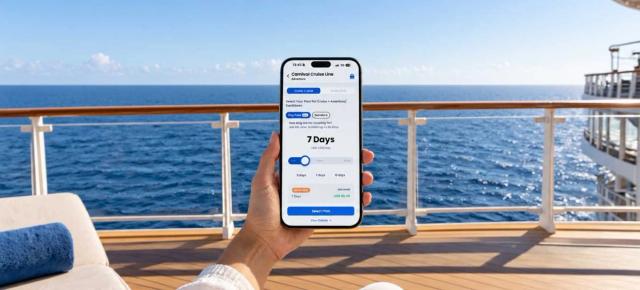
And for travelers connecting through Norway's fjords, cruises, or ferries, more are using a GigSky eSIM to stay connected throughout, with free data available for eligible travelers in Norway and at sea.
Best Time to See Northern Lights in Norway (2026)
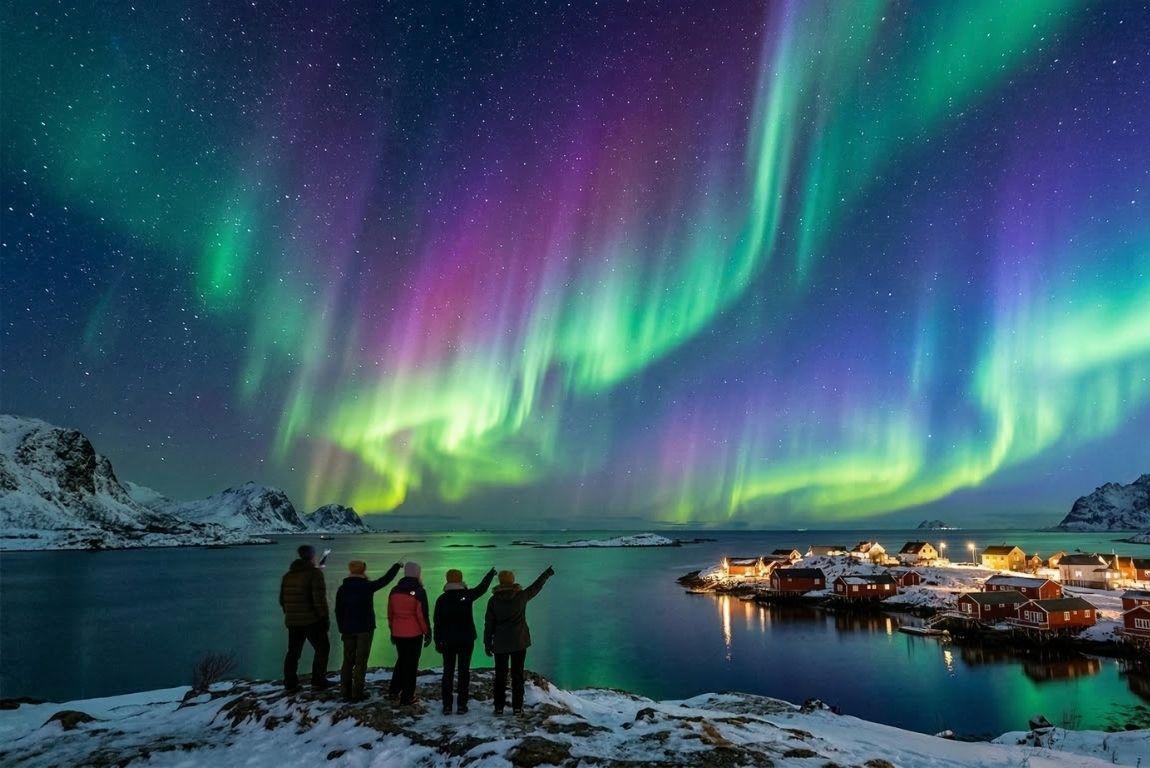
The Aurora Borealis in Norway season runs from late September through early April. You need darkness north of the Arctic Circle, and outside those months, Norway doesn't have enough of it to chase the lights reliably. But not all months within that window are equal.
Solar activity peaks through 2026, which genuinely boosts your chances compared to previous years.
That said, clear skies still determine everything. A KP 7 storm behind 100% cloud cover means you see nothing. Full stop.
October and March are the sweet spot
October gives you milder temperatures (around -5°C to 5°C), fewer crowds than the December peak, and roads that are still reliably passable.
March sits at the statistical top of geomagnetic storm activity, with equinox effects roughly doubling the odds of strong aurora events, making it the best time to see Northern lights in Norway.
You also get 8 to 10 hours of daylight in March, which matters if you want to see Norway instead of just standing in the dark waiting.
February falls in between. Decent aurora odds, manageable cold (averaging around -10°C), and enough light for daytime activities. It's a solid choice if October or March don't work with your schedule.
Deep winter is harder than it looks
November through January offers maximum darkness, up to 24 hours in far northern places like Kirkenes.
That sounds ideal until you factor in that Tromsø sees cloud cover roughly 60 to 70% of the time in December, temperatures regularly drop to -20°C or colder, and flight delays from winter storms are common.
Hotels also run 30 to 50% higher in December and January versus shoulder months.
The darkness-to-cloud-cover tradeoff isn't in your favor in deep winter. More nights in the dark, yes. But far fewer clear ones.
| Season | Aurora Odds | Weather | Crowds | Relative Cost |
|---|---|---|---|---|
| Sep–Oct | High (equinox boost) | Mild, manageable | Low | 20–30% lower |
| Nov–Feb | Max darkness, variable | Brutal cold, storms | Peak in Dec | Highest Dec–Jan |
| Feb–Mar | Strong (equinox peak) | Cold but stable | Moderate | Mid-range |
| Mar–Apr | High (equinox effects) | Warming, fewer delays | Fading | Dropping |
How Long You Need
Four days is the minimum if the weather cooperates. Three nights of chasing, with no buffer at all.
It's a gamble, and experienced travelers will tell you that 50 to 70% nightly odds sound good until two of your three nights get clouded out.
Six to seven days is the practical recommendation for most first-time visitors. It builds in recovery from jet lag, gives you options if weather turns, and lets you experience Northern Lights Norway beyond standing outside at 1am with your neck tilted up.
Photographers who want multiple clear nights for different setups, or travelers combining multiple regions, should plan for 10 days or more.
Deep winter for long darkness, shoulder for mobility without frostbite becoming a genuine equipment problem.
A quick read by traveler type:
Budget travelers do well with 5 to 6 days based out of one location like Tromsø, cutting transport costs and using aurora forecast apps instead of pricey guided tours.
Couples who want the full cabin-and-fjords experience tend to want 7 to 8 days, with some buffer for relaxed pacing.
Older travelers, or anyone who doesn't want to deal with complicated logistics in icy conditions, should give themselves 7 days and stick to guided tours with heated transport.
Which Base Makes Sense for Your Trip
Where you stay shapes everything: how many tour options you have, how good your chances are on clear nights, how much driving stress you take on.
Tromsø
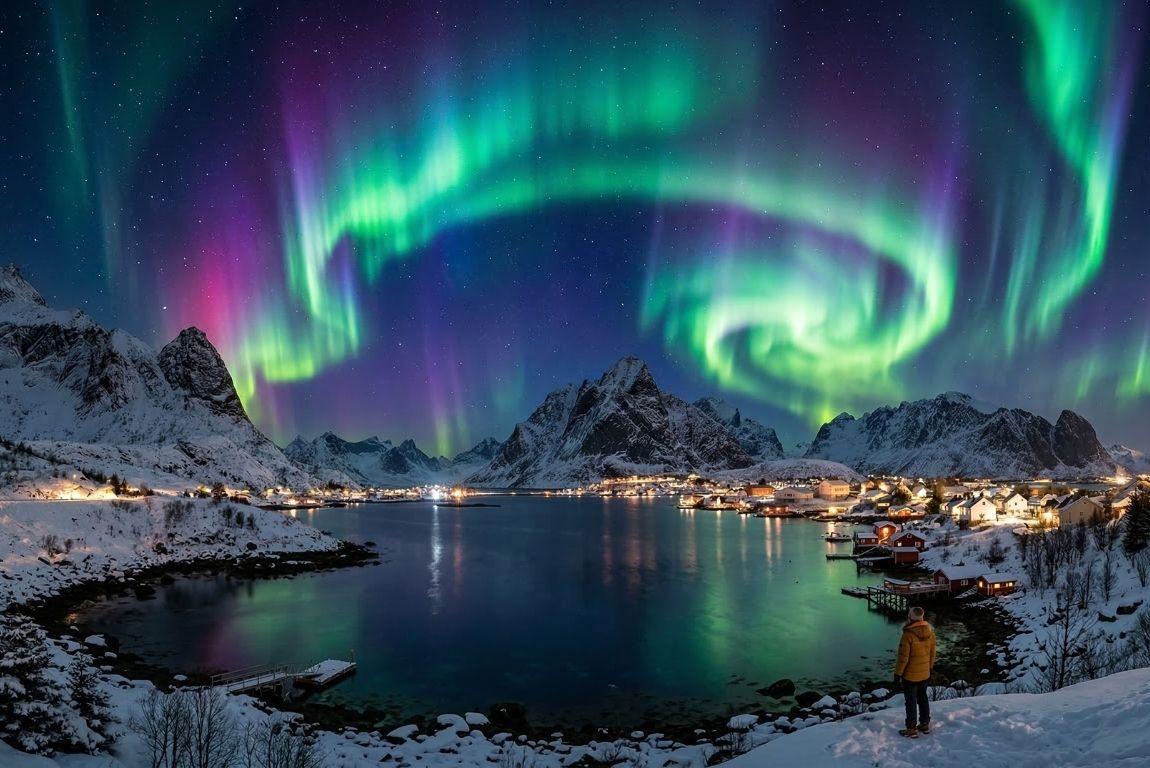
Most people start here, and it makes sense. You can fly direct from most of Europe, you don't need a rental car, and if clouds roll in over the city, tour operators will load you onto a bus and drive until they find a clear patch.
That last thing is more valuable than it sounds. A lot of first-timers don't realize how much ground you sometimes need to cover on a cloudy night.
The catch is that Tromsø is popular, and popular in Norway means expensive. Hotels run 2,000 to 3,000 NOK a night during peak season.
December especially fills up fast, and tours book out well in advance. Cloud cover is also higher here than in the inland areas, around 60% in peak winter, because of the coastal weather patterns.
Still, on a clear night you don't have to go far from the city center before light pollution fades enough to catch the Norway Aurora at KP 2 or above.
Alta
Alta doesn't get the same attention as Tromsø, which is part of why it's worth considering.
It's inland, so the coastal clouds that cause problems further west affect it less.
Clear nights are more common, and aurora odds on those nights push 70 to 80%. The skies around Finnmarksvidda are about as dark as Norway gets.
It's colder, -20°C is routine, and there's less nightlife if that matters to you. The Igloo Hotel is here if you've had that on your list.
You'll need to connect through Oslo or Tromsø to get there, but for serious Northern Lights Norway chasers who want to weigh the odds in their favor, Alta is often the smarter pick.
Kirkenes
Kirkenes sits near the Russian border and is as far north as most travelers go. Aurora frequency is higher here than anywhere else on this list, with clear-night odds above 80% in peak season.
It's also remote. Cold in a way that feels different from Tromsø cold, down to -25°C, with fewer tours and less infrastructure overall.
It works well as a short stop on a Hurtigruten voyage or at the end of a longer multi-base trip. Coming here as your only base is doable, but it helps to know what you're signing up for.
Lofoten
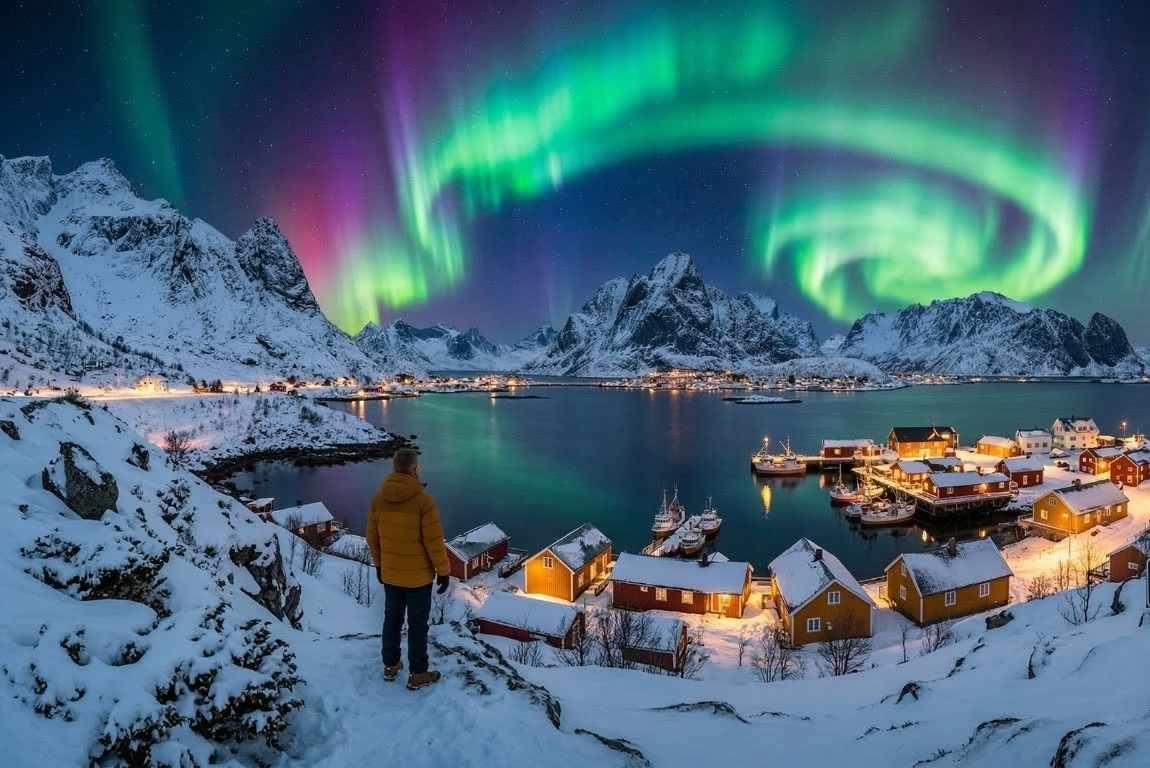
The photos you've seen of Norway, dramatic mountain ridges dropping into dark fjords, fishing villages with lights reflected in the water, Aurora Borealis in Norway bending overhead, a lot of those are from Lofoten. The scenery is that good.
What the photos don't convey is the winter wind, or how often the sky closes over (around 70% cloud cover in winter), or how ferry delays can eat into a tight itinerary.
Lofoten rewards travelers who come for the landscape as much as the Norway aurora lights, and it works better as a 3-day stop within a larger trip than as a primary base. You'll also need a car to get anywhere useful once you're there.
Senja and Narvik
Senja is Tromsø's quieter neighbor. Similar aurora odds, fewer crowds, and scenery that most visitors completely overlook because they've already committed to Tromsø.
A car is necessary, and you won't find much in the way of restaurants or tour support once you're out on the island. It rewards people who want to chase independently and don't mind the trade-off.
Narvik is the practical option for anyone combining Norway with Sweden or traveling on a tighter budget.
The Arctic train from Stockholm is a good way to arrive. Aurora odds are decent but not exceptional, and the town has more of an industrial feel than the others.
It's worth knowing about, even if it's not the first choice for most.
| Base | Best For | Aurora Odds | Getting There | Car Needed? |
|---|---|---|---|---|
| Tromsø | First-timers, city lovers | Good (60–70% clear nights) | Direct flights from Europe | No |
| Alta | Serious chasers, couples | High (70–80%) | Via Oslo or Tromsø | Helpful |
| Kirkenes | Remote adventurers | Highest (80%+) | Fly from Oslo | Helpful |
| Lofoten | Scenery and photography | Good with obstructions | Fly to Leknes + ferry | Yes |
| Senja | Nature, fewer tourists | Similar to Tromsø | Ferry from Tromsø or drive | Yes |
| Narvik | Budget, train access | Moderate | Train from Sweden | Optional |
Ferries, Coastal Ships, and How They Fit In
Norway's water transport options range from short local hops to multi-day coastal voyages, and they serve completely different purposes on an aurora trip.

Local ferries and express boats
Short car-and-passenger ferries (Torghatten Nord, for example) handle 20 to 60-minute crossings between islands and the mainland. If you're driving to Lofoten, you'll take one.
They're weather-vulnerable in winter and delay regularly, so build in buffer time.
Express boats, like Norled's speedcats, cover 1 to 3-hour routes for passengers only. A Tromsø to Senja crossing on one of these cuts out a long drive but can be rough in storms.
Coastal voyages: Hurtigruten and Havila
These are working ships that also carry tourists, running the Bergen to Kirkenes route daily and stopping at 34 ports along the way.
They're not standard cruise ships. No entertainment decks or formal dinners, but comfortable cabins, onboard aurora alerts, and the chance to sail dark Norwegian fjords at night, which improves your odds by getting you away from coastal cloud banks and light pollution.
Hurtigruten has operated this route for over 130 years. Daily departures, reliable schedules, cabins from around 10,000 NOK for 6 days.
Havila is newer, quieter, and runs on hybrid battery power, with departures every other day at comparable prices.
Both are worth considering, but do check your motion sickness tolerance before booking. Rough winter seas affect 20 to 40% of passengers during gales.
Both operators offer a Northern Lights Promise on 11 to 12-day trips from October through March: if the Northern lights Norway don't appear, you can rebook for free. That's not available on shorter legs.
What cruise travelers should know about connectivity at sea

Coastal ships spend a lot of time in fjords and open water where your home carrier plan simply doesn't reach.
Norway's coverage on land is strong, but the moment you're mid-fjord or a day out of port, you're relying on maritime networks.
Most travelers on cruise ships in Norwegian waters have found that a GigSky eSIM handles this better than most alternatives.
GigSky covers 290-plus cruise ships and ferry routes because it connects through maritime satellite networks that land-based eSIMs don't reach.
If you're combining a coastal voyage with your aurora trip, it's worth checking in the GigSky app before you sail.
Sample Itineraries for 2026
4 days: Tight schedule, first attempt
Base in Tromsø. Skip the car entirely and use guided tours to chase clear spots.
Best for beginners who want to test whether aurora chasing suits them without committing to a long trip.
The honest tradeoff: one cloudy stretch and you've used up half your chances.
6 days: The solid middle ground
Three or four nights in Tromsø, then two nights on Senja via express boat.
Rent a car if you're comfortable driving on winter roads; otherwise stick to tours out of Tromsø and do a day trip to Senja. Good for couples who want a mix of city access and wilder scenery.
8 days: The experience trip
Split between Tromsø, Lofoten, and Bodø. Take the ferry to Lofoten and use the Hurtigruten port-to-port leg from Bodø back up to Tromsø.
Rent a car in Lofoten because you'll need it. This itinerary is heavier on logistics, but the payoff is a trip that covers the aurora, the fjords, and the Norwegian coast in a single run.
10 to 12 days: The deep trip
Tromsø, then Alta, then Kirkenes, ending with Varanger if you want something genuinely remote.
Add a Havila coastal voyage segment from Tromsø to Kirkenes. Rent a car for Varanger.
This is the itinerary for photographers or travelers who've done Norway before and want to push further north and east.
What Most Travelers Miss
Book four to six months out for any October through March travel. Tours in Tromsø sell out by summer. Coastal voyages fill by fall. Wait on either and you're paying 30% more or going without.
The KP index tells you how strong the lights are. Cloud cover is the variable that actually determines your night.
A KP index of 7 means nothing behind a ceiling that goes wall to wall. Check yr.no the morning of and again around midday.
If there's a clear patch forming 30 or 40 kilometers away, you want to know about it before 11pm, not during. The travelers who see the lights most consistently are usually the ones willing to drive toward a gap rather than wait it out from the hotel window.
Flight delays in northern Norway in winter are normal, not exceptional. Storms roll in fast and airlines cancel or hold flights without much warning.
If your trip home has a tight connection in Oslo, one bad weather day in Tromsø can unravel it. An extra day on either end of your trip is cheap insurance compared to rebooking fees.
On clothing: the temperatures up here are serious. Not "bundle up a little" serious. Wool base layer, fleece in the middle, windproof and waterproof shell on top. Hands, ears, and feet need proper gear rated well below zero.
Cotton holds moisture against your skin and stops working fast in the cold. Most people who get uncomfortably cold on aurora tours are wearing the wrong base layer, not too few layers.
Renting a car is worth it for the flexibility, but Norwegian mountain roads in winter are not forgiving. Studded tires are legally required and the roads still ice over.
If you haven't driven in these conditions before, the honest advice is to stay in Tromsø where tours handle the driving for you.
It's not about confidence behind the wheel in normal conditions. It's about knowing what black ice actually feels like before you encounter it on a bend at midnight.
And if the lights don't show? Dogsledding runs around 1,500 NOK. The ski resorts are excellent. The food in Tromsø is good.
A trip to Norway in the aurora season without seeing the lights is still a fine trip. Don't organize your entire emotional state around a solar event.
Recap: Know This Before Seeing the Northern Lights Norway
Here's what it comes down to:
- Best time to see Northern Lights in Norway: October for ease and lower cost, March for peak aurora odds. February is a strong backup.
- How long: 6 to 7 days minimum for a real shot. 8 or more if you're serious about it.
- Best bases: Tromsø for beginners (easy access, lots of tours). Alta or Kirkenes for higher odds and fewer crowds.
- Ferries and coastal ships: useful for reaching islands and combining bases. Hurtigruten and Havila add a different dimension to the trip, and their Northern Lights Promise reduces the stakes on longer voyages.
- GigSky is the only eSIM that offers coverage in Norway, 290-plus cruise ships and 100+ ferries, and offers up to 5GB free for eligible travelers. Check the app before your trip.
- Book early: 4 to 6 months out. Tours and good accommodations go fast in peak season.
- Check yr.no daily: cloud cover is your main variable. Stay mobile enough to chase clear skies.
- Layer properly: cold is serious at these latitudes. Treat it accordingly.