Embarque com descontos exclusivos e por tempo limitado nos planos de eSIM para cruzeiros. Seja para o verão ou até mesmo para o Natal, aproveite hoje mesmo e economize muito!
9 dicas de viagem econômicas que realmente ajudam a economizar dinheiro (segundo mais de 900 viajantes do Reddit)
24 de março de 2026
|
A maioria das dicas de viagem econômica que você encontra na internet parecem ter sido escritas por alguém que nunca foi a lugar nenhum.
Dicas vagas sobre “planejar com antecedência” e “evitar armadilhas para turistas” que não trazem nenhuma informação útil.
Então, quando um tópico no Reddit pedindo aos viajantes que compartilhassem seus hábitos reais para economizar dinheiro chegou a mais de 900 respostas, valeu a pena prestar atenção.
Essas pessoas não eram influenciadores. Eram pessoas compartilhando o que realmente fazia a diferença no orçamento de suas viagens, às vezes em centenas de dólares por viagem.
Algumas dicas eram óbvias. Outras foram realmente surpreendentes. E uma delas gerou mais debate do que qualquer outra no tópico. Veja o que eles disseram.
1. Compre um eSIM em vez de pagar tarifas de roaming
Essa dica surgiu várias vezes ao longo do tópico e a lógica é irrefutável. Antes de pousar em outro país, instale um eSIM no seu celular.
Você obtém dados reais e úteis a tarifas locais, em vez de pagar as exorbitantes taxas de roaming internacional da sua operadora.
O comentário que gerou mais discussão destacou que não fazia sentido as pessoas pagarem voluntariamente tarifas de roaming nos dias de hoje.
Várias pessoas mencionaram operadoras que oferecem uma cobertura internacional completa e integrada, caso você prefira nem se preocupar com isso.
Um comentarista australiano observou que as operadoras locais não ofereciam nada comparável e que os eSIMs eram sua única opção viável.
Outra pessoa sugeriu comprar um chip pré-pago local como alternativa em alguns países, mas isso significa esperar, ir a um quiosque no aeroporto e trocar o chip.
Você também pode acabar perdendo o acesso ao seu número de telefone residencial e ter que se comunicar em um novo idioma em um país estrangeiro.
A mensagem principal: a conectividade do seu celular no exterior não deve custar quase nada se você se planejar com um pouco de antecedência.
As tarifas de roaming são uma despesa totalmente evitável e uma das dicas mais simples para viajar com orçamento limitado que os viajantes experientes adotaram há anos.
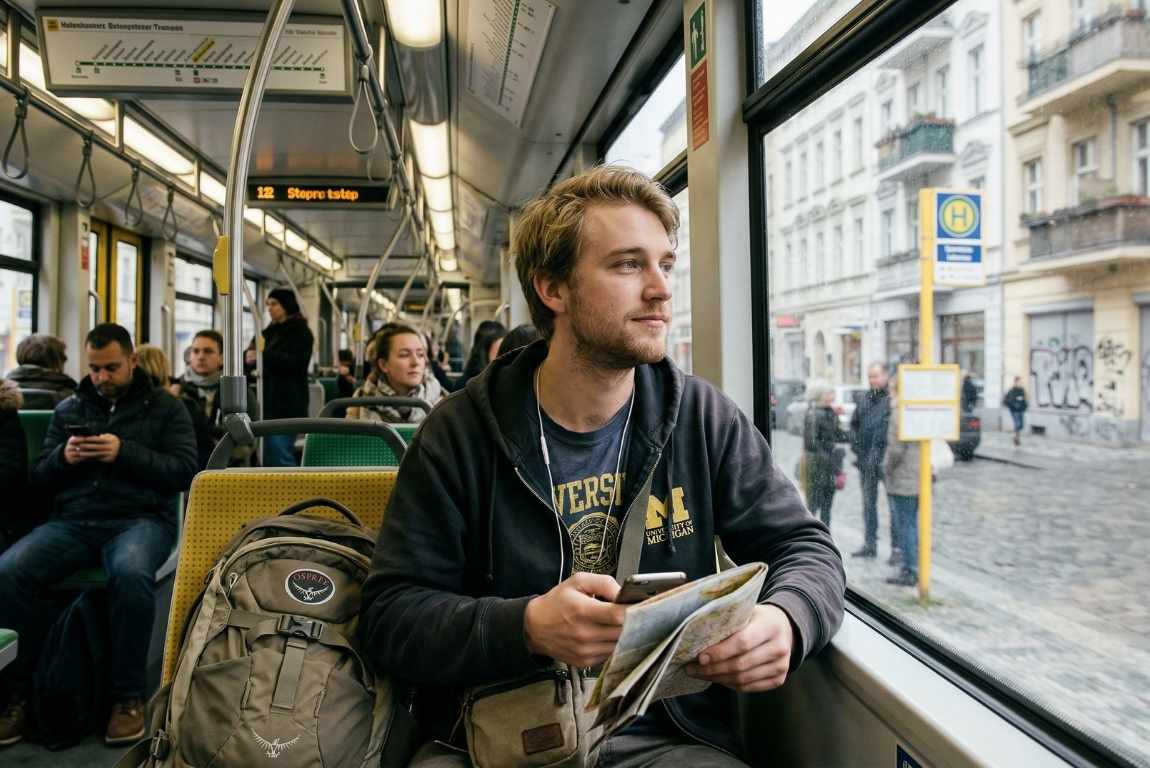
2. Use os mapas do celular para o transporte público
Essa foi a dica que recebeu mais votos positivos em todo o tópico, e a discussão que ela gerou foi realmente surpreendente. O autor do comentário original não conseguia acreditar que as pessoas ainda não estavam fazendo isso.
Então, as respostas começaram a chegar em grande quantidade, e descobriu-se que uma grande parte dos viajantes, especialmente os americanos que cresceram em cidades onde o carro é fundamental, nunca tinha usado o Google Maps para o transporte público.
Eles nem sabiam que isso era uma opção. Chegavam a Tóquio ou a Paris e acabavam pegando táxi simplesmente porque era o que fazia sentido no seu país.
Os viajantes experientes ficaram perplexos. Uma pessoa observou que o transporte público para um aeroporto de Manhattan custa US$ 3, enquanto o serviço de transporte do hotel custa US$ 70.
Outro comentou que seus amigos na casa dos 30 anos não conseguiam se locomover em nenhuma linha de trem sem ajuda.
O consenso foi claro: aprender a ler um mapa de transporte público e seguir as instruções passo a passo no celular é uma das dicas de viagem econômicas com maior retorno sobre o investimento que você pode incorporar a qualquer viagem.
Não custa nada, funciona em quase todas as grandes cidades do mundo e permite economizar bastante dinheiro em cada viagem.
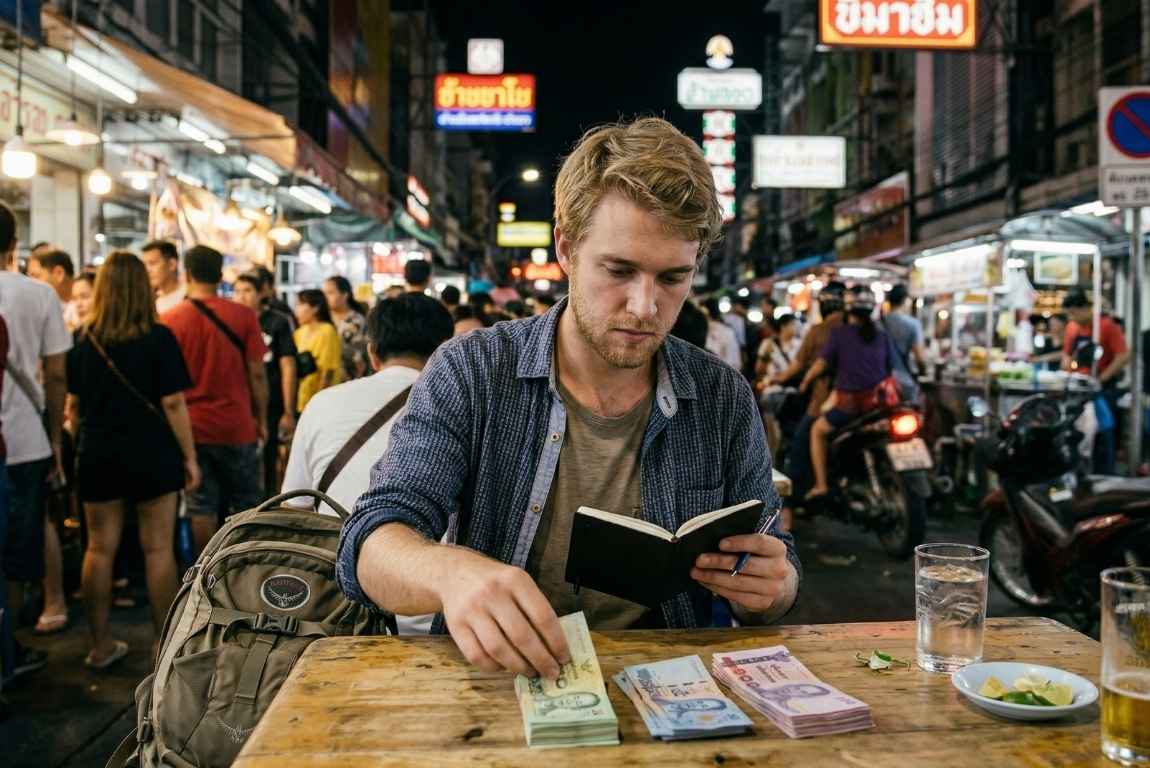
3. Use caixas eletrônicos no país e sempre escolha a moeda local
“Evitem as casas de câmbio”, foi o veredicto unânime. O comentário mais popular sobre esse assunto recebeu 876 curtidas, e a discussão que se seguiu foi bastante extensa.
O conselho principal é simples: ao chegar, procure um caixa eletrônico de um banco de confiança, retire dinheiro na moeda local e, quando a máquina perguntar se você deseja que ela faça a conversão, responda sempre que não. A taxa de câmbio da máquina é péssima.
A taxa do seu banco é quase sempre mais vantajosa. Um comentarista contou que seu pai voltou furioso do caixa eletrônico porque, sem saber, aceitou a conversão e acabou tendo que pagar quase US$ 100 em taxas. Algo que poderia ter sido totalmente evitado.
As pessoas também recomendaram combinar esse hábito com um cartão de débito com taxas acessíveis, como o da Charles Schwab ou da Fidelity, que reembolsam as taxas de caixas eletrônicos em todo o mundo.
Alguns comentaristas apontaram exceções: o Vietnã, o Laos e a Argentina foram mencionados como lugares onde as casas de câmbio locais ou levar dinheiro em dólares acabam sendo mais vantajosos.
A lição geral: pesquise a melhor estratégia para lidar com dinheiro em cada país específico antes de chegar, em vez de presumir que uma regra única se aplica a todos os lugares. Um conselho prático para viagens econômicas que vale para qualquer destino.
4. Compre lanches no supermercado antes de ir para o aeroporto
Isso tocou quase todo mundo, porque essa dor é universal. Os preços da comida nos aeroportos são absurdamente inflacionados; um comentarista encontrou um pacote de batatas fritas por US$ 12 em uma loja de presentes do aeroporto.
Outra pessoa contou que levou três sanduíches baratos antes de um voo, ficou sentada na pista por três horas, comeu todos eles e, mesmo assim, ainda saiu ganhando financeiramente.
O conselho é simples: pare em um supermercado no caminho para o aeroporto e compre tudo o que você costuma comer como lanche. Nozes, frutas, sanduíches, barras de proteína.
Leve uma garrafa de água reutilizável vazia pela segurança e encha-a do outro lado de graça. Aparentemente, dá até para levar gelo; um comentarista disse que a sogra lhe ensinou esse truque e que ficou genuinamente surpreso.
Na viagem de volta, sugeriram comprar lanches e pequenos produtos locais em um supermercado no destino.
Mais barato do que as lojas do aeroporto, mais interessante do que presentes genéricos e a maneira perfeita de levar para casa algo comestível e memorável para as pessoas, sem gastar demais com lembranças de armadilhas para turistas.
5. Considere o seu voo de forma global
Uma das dicas de viagem econômica mais contraintuitivas do tópico, que recebeu 418 votos positivos porque muda a forma como a maioria das pessoas encara as reservas.
O argumento é o seguinte: pare de ficar obcecado em encontrar o bilhete mais barato possível e comece a calcular o custo total da viagem.
Reservar um voo noturno que chega às 2 da manhã para economizar US$ 50 significa que você vai gastar esses US$ 50 em um táxi, já que não há transporte público funcionando, além de mais dinheiro com comida no aeroporto durante uma escala de oito horas, sem contar o cansaço que vai sentir no primeiro dia da viagem.
Um comentarista observou que as pessoas não hesitam em pagar US$ 100 a mais por noite para ficar em um hotel melhor “por uma questão de conforto”, mas se recusam a pagar US$ 20 a mais por um horário de voo mais razoável.
Outro disse que pagaria 500 dólares a mais por um voo direto sem hesitar, pois o estresse e o risco logístico das conexões não valem a pena.
O tópico também trouxe uma dica inteligente: se você puder ser flexível, deixe que os alertas de ofertas de ferramentas como o Google Flights ou o Skyscanner indiquem quando e para onde viajar, em vez de escolher datas e torcer para que os preços colaborem. Manter o orçamento da viagem flexível já é metade do caminho andado.
6. Faça a refeição mais farta no almoço, e não no jantar
Essa dica apareceu de forma independente em vários comentários, o que é sempre um sinal de que viajantes de verdade já a testaram na prática.
A estratégia é simples: inverta a ordem das suas refeições quando estiver viajando. Faça a sua refeição principal, aquela mais calórica, no meio do dia, quando os preços dos restaurantes são mais baixos, há promoções de almoço e você ainda tem horas de passeios pela frente para queimar as calorias.
Então, à noite, coma algo mais leve e barato, como comida de rua, produtos encontrados no supermercado ou um lanche simples comprado em um mercado local.
Um comentarista mencionou que costuma almoçar em restaurantes com estrelas Michelin durante suas viagens, pois esses mesmos restaurantes cobram preços significativamente mais baixos ao meio-dia do que no jantar.
Outro descreveu isso como uma combinação de um bom almoço com noites ao estilo piquenique, com produtos do mercado: pão fresco, queijo local e frutas, saboreados em algum lugar com uma vista maravilhosa.
Várias pessoas mencionaram a estratégia do “linner”, um almoço tardio que também serve como jantar antecipado, eliminando completamente uma refeição completa do cardápio diário. Não se trata de comer menos. Trata-se de distribuir melhor o tempo das refeições.
7. Compre mantimentos para pelo menos uma refeição por dia
O supermercado foi mencionado várias vezes neste tópico, e não apenas como um plano B, mas como um verdadeiro destaque da viagem.
Vários comentaristas afirmaram que visitar um supermercado local é uma das partes favoritas de qualquer viagem. Você vê o que as pessoas realmente comem. Você encontra produtos regionais que não consegue encontrar em casa. Você economiza uma quantia significativa de dinheiro em pelo menos uma refeição por dia.
A estratégia que a maioria das pessoas adotou: comprar o café da manhã no supermercado e fazer uma refeição completa em um restaurante por dia.
Os buffets de café da manhã dos hotéis foram amplamente criticados por serem caros demais e decepcionantes; um comentarista observou que, em alguns países, um buffet de US$ 25 poderia ser substituído por um café da manhã quentinho de verdade, por apenas US$ 5, na esquina.
As pessoas também mencionaram as seções de frios dos supermercados como uma opção rápida, acessível e realmente boa para o almoço.
A ideia de visitar mercados e fazer piqueniques — comprando alimentos frescos locais e saboreando-os em algum lugar bonito — surgiu várias vezes como uma forma de esticar ainda mais o orçamento de viagem, ao mesmo tempo em que proporciona uma experiência local mais memorável do que qualquer restaurante turístico poderia oferecer.
8. Viaje fora da alta temporada
Essa dica gerou consenso geral ao longo da discussão, pois os benefícios se acumulam rapidamente.
Viajar fora da alta temporada permite economizar em passagens aéreas, reduz significativamente as tarifas de hotel, diminui as multidões em todas as atrações que você visita e, muitas vezes, proporciona uma experiência mais autêntica do lugar.
Um comentarista viajou para a Itália no final de novembro e para a Escócia no início de março e descreveu ambas as viagens como tranquilas e verdadeiramente agradáveis, embora a desvantagem fosse o menor número de horas de luz do dia.
Outro mencionou ter ficado sentado na Capela Sistina por 45 minutos durante uma visita em novembro, algo que seria impossível no verão, quando os turistas são conduzidos rapidamente pelo local em questão de minutos.
A recomendação geral era ficar hospedado um pouco fora do centro turístico da cidade e usar o transporte público para chegar até lá, economizando ainda mais na hospedagem.
Algumas pessoas observaram que, mesmo evitando os períodos de pico das viagens domésticas, como as férias de primavera e os principais feriados, é possível reduzir os custos em cerca de 20%.
Entre todas as dicas de viagem econômica deste tópico, programar sua viagem para a época de transição ou a baixa temporada é uma das formas mais confiáveis de viajar mais gastando menos, praticamente sem nenhuma desvantagem.
9. Reduza o consumo de álcool
Vários comentaristas, de forma independente, apontaram isso como a principal forma de economizar dinheiro em viagens, e os números confirmam isso.
As bebidas em um bar de aeroporto podem facilmente custar entre US$ 15 e US$ 20 cada. Se você pedir vinho ou coquetéis em um restaurante, a conta pode dobrar.
Beber durante o dia, rodas de bares, rodadas para o grupo… tudo isso vai se acumulando a uma velocidade assustadora quando se está viajando.
Um comentarista disse que, ao evitar completamente o álcool, conseguia comer em restaurantes significativamente melhores pelo mesmo valor total.
Outro calculou que as bebidas consumidas no aeroporto, no avião e durante as refeições acrescentavam centenas de dólares ao custo da viagem, sem trazer grande benefício em troca.
Houve resistência; algumas pessoas argumentaram que sair para beber faz parte da experiência de viajar e cria lembranças realmente incríveis, e isso é justo.
O tópico não defendia a abstinência total. A versão mais prática do conselho era: seja consciente sobre isso. Compre uma cerveja no supermercado em vez de no bar. Evite as bebidas no aeroporto. Não peça vinho automaticamente em todas as refeições.
Pequenos ajustes nos hábitos de consumo de bebidas têm um impacto enorme no orçamento geral da viagem, e essas são algumas das melhores dicas para viajar com o bolso fechado que estão bem à vista.
Resumo: 9 dicas de viagem econômicas que realmente ajudam a economizar dinheiro
Evite totalmente as tarifas de roaming instalando um eSIM antes de chegar ao destino. Os viajantes experientes deixaram de pagar tarifas de roaming há anos, e por um bom motivo.
Use o Google Maps para o transporte público desde o primeiro dia. Ele funciona em quase todas as grandes cidades e é gratuito.
Retire sempre dinheiro na moeda local em um caixa eletrônico e recuse sempre a oferta de conversão da máquina. A taxa do seu banco será quase sempre mais vantajosa.
Compre lanches no supermercado antes de ir para o aeroporto. Leve uma garrafa de água vazia e encha-a depois de passar pela segurança.
Calcule o custo total da viagem, não apenas o do bilhete. Um voo mais barato que chega às 2 da manhã pode acabar saindo mais caro quando se leva em conta o táxi, a comida no aeroporto e o primeiro dia perdido.
Faça sua refeição principal no almoço. Os mesmos restaurantes cobram menos ao meio-dia, e você ainda tem muitas horas pela frente.
Compre o café da manhã e pelo menos uma refeição por dia em um supermercado local. A economia vai aumentando rapidamente, e muitas vezes você consegue ter uma ideia melhor de como os moradores locais se alimentam.
Viaje um pouco fora da alta temporada. Menos gente, preços mais baixos e, às vezes, uma experiência melhor no geral.
Seja consciente em relação ao consumo de bebidas. Algumas pequenas mudanças nesse aspecto podem ter um impacto enorme no orçamento total da viagem.
.png)





.jpg)


%20(1)%201%20(1).webp)


.svg)
.svg)
%20(32).jpg)