Best Places to Travel in Winter - Plus the Travel Hack Travelers Forget
November 9, 2025
|
Amira Bula
You're staring at gray skies, scrolling travel deals, wondering where you can actually feel the sun again without torching your savings.
Finding the best places to travel in winter doesn't have to be complicated.
This winter, you've got options—real ones. And before you book that flight, make sure you travel smarter.
Wherever you go, download an eSIM so you can skip roaming fees and sketchy airport Wi-Fi.
With GigSky, you can stay connected in 200+ countries and 200+ cruise ships, try generous free data trials before committing, and even gift or share plans with your travel companions.
Because when you're chasing glow-in-the-dark bays in Puerto Rico or hot springs in Iceland, the last thing you need is to lose signal when you need maps or boarding passes most.
Let's dive into where to go next.
If You're Running From Cold Weather
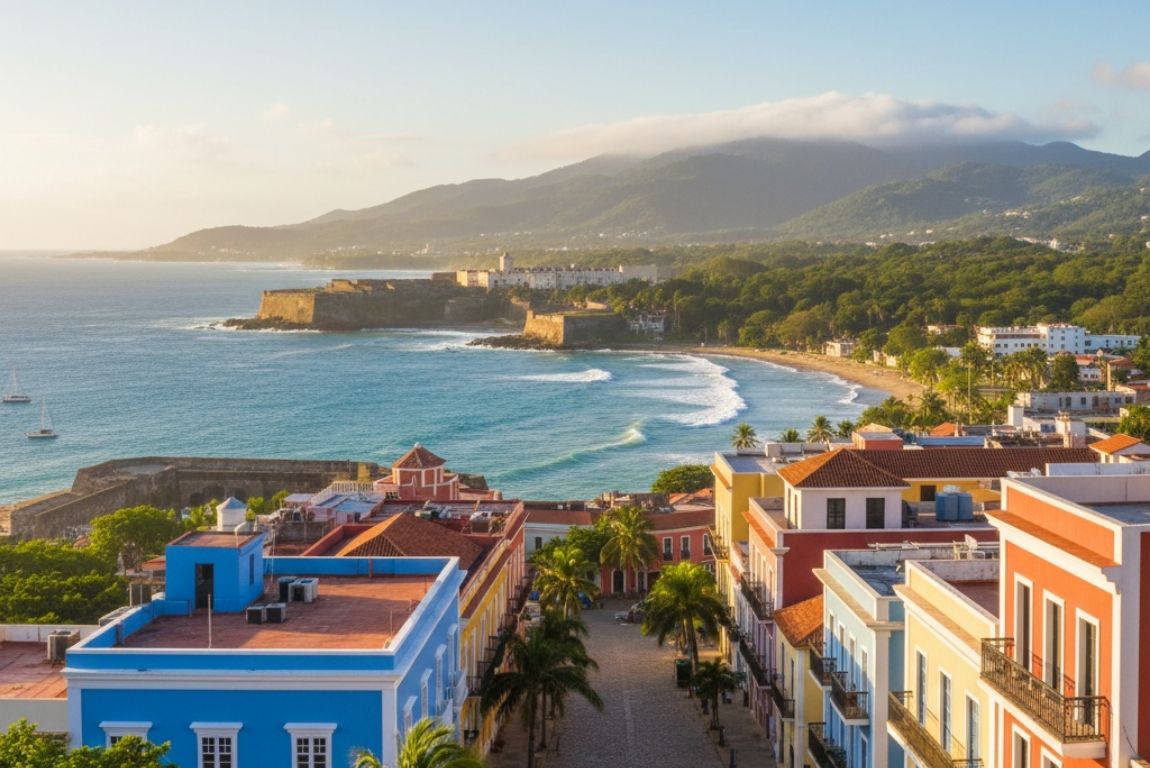
Puerto Rico
Puerto Rico in winter feels like someone turned off the humidity switch. December through April, you get 75 to 85 degrees and way less rain than summer.
This matters because El Yunque National Forest actually becomes enjoyable to hike instead of feeling like you're walking through a steam room.
The beaches empty out. Ocean water sits at 80 degrees. And here's what the travel blogs don't tell you: the bioluminescent bays shine brighter in winter because the nights are darker.
Kayaking through water that glows electric blue around your paddle is one of those things that sounds made up until you do it.
Three Kings Day on January 6 brings real celebrations, not the tourist-trap version.
Then late January hits you with the San Sebastián Street Festival in Old San Juan.
The cobblestone streets turn into this massive party with live music everywhere. It's crowded but in the good way.
Plus you don't need a passport if you're American. That's not nothing.
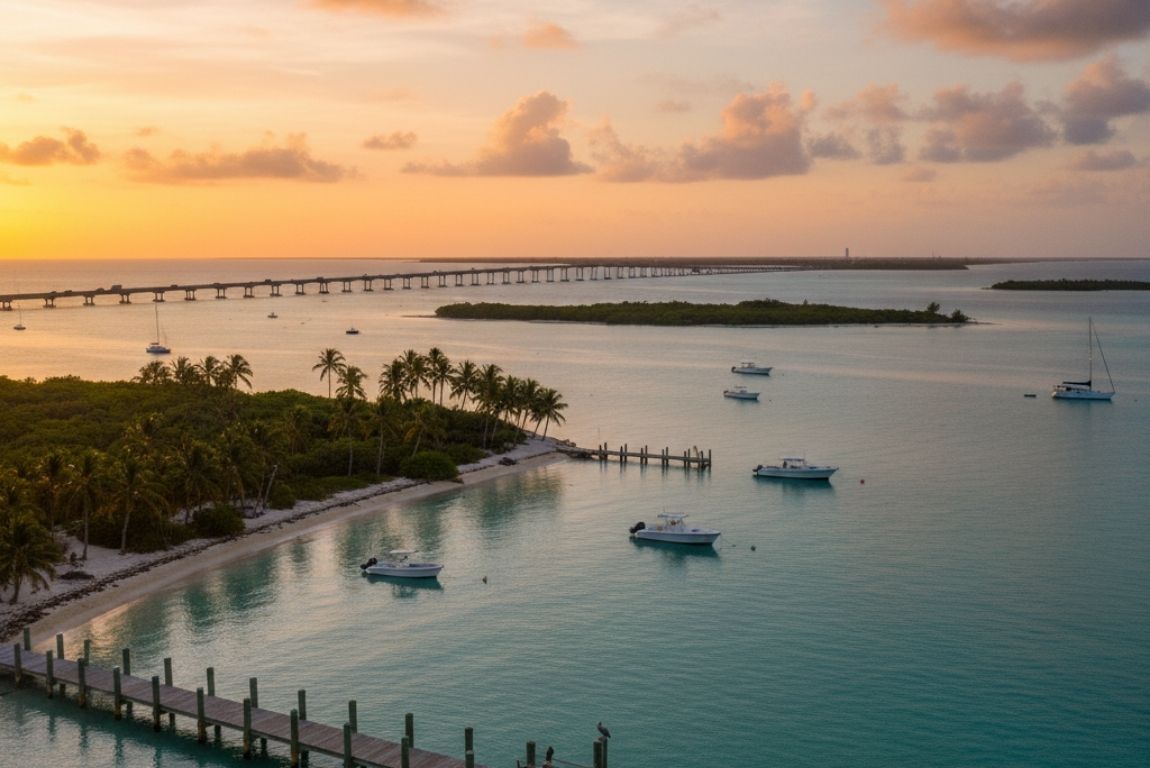
Florida Keys
The Keys give you the warmest continental U.S. temperatures in winter. Mid-70s to low-80s, December through April.
The whole 125-mile island chain becomes what it's supposed to be when the summer crowds leave.
John Pennekamp Coral Reef State Park has snorkeling that rivals places you'd fly five hours to reach. Looe Key for diving.
Mallory Square in Key West for those sunsets that make you understand why people get so weird about sunsets.
Hemingway's house is there with the six-toed cats. The mangrove kayaking routes look prehistoric. And yes, more bioluminescent waters that glow blue at night.
Water temperature stays around 75 degrees. The dry season means your beach plans won't get rained out. It's simple but it works.
Hawaii
Hawaii between November and April gives you whales. Humpbacks migrate to Hawaiian waters December through April, and watching them breach offshore is one of those moments that recalibrates your brain a little.
North Shore gets those legendary winter swells that bring professional surfers.
If that's not your thing, southern and western beaches stay calm for swimming and snorkeling.
The Big Island has the most stable weather. You can see snow on Mauna Kea and black sand beaches the same day, which feels wrong but isn't.
Maui's Haleakala sunrise requires waking up at 3 AM but pays it back. Oahu balances Honolulu with beaches that never feel overdeveloped. Ocean temps stay 74 to 80 degrees year-round.
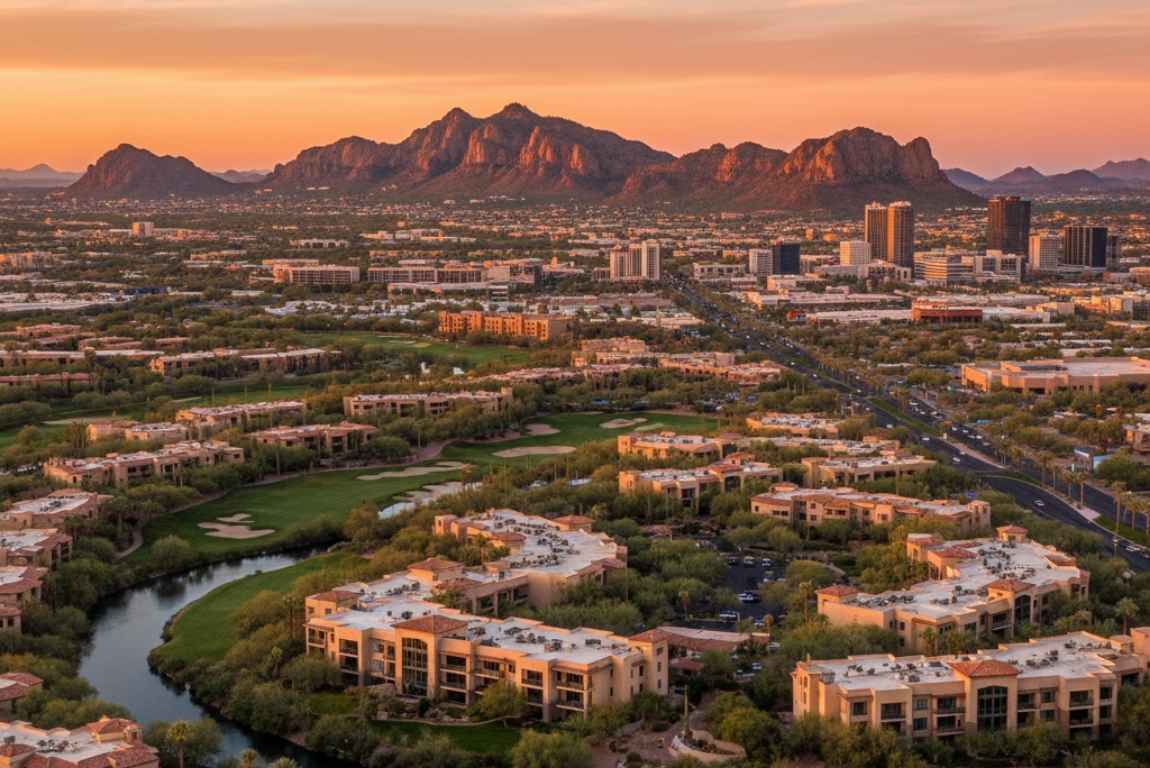
Scottsdale
Scottsdale from December through March sits in this perfect zone: low-70s during the day, clear skies, zero humidity.
It has 200+ golf courses if that's your thing, but the McDowell Sonoran Preserve surprised me more. Over 100 miles of hiking trails through desert that blooms with wildflowers in winter.
You can kayak the Salt River to spot wild horses. Try rock climbing without summer heat trying to kill you. Mountain bike trails that wind through terrain from old Westerns.
The city does this whole "Christmas at the Princess" thing with actual ice skating and snow tubing in the desert, which sounds gimmicky but works.
Old Town Scottsdale has that upscale shopping and Southwestern food scene where everything tastes better under blue skies.
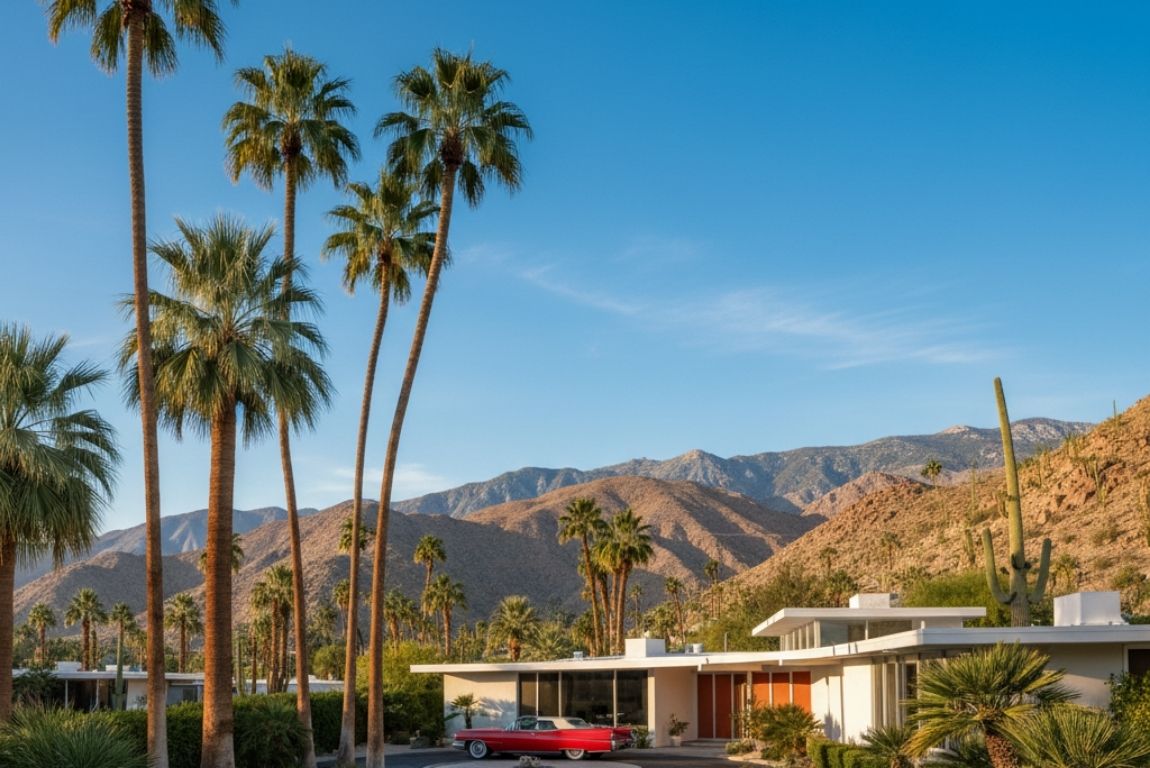
Palm Springs
Palm Springs delivers 70 to 75 degrees December through March.
This retro-chic desert spot built itself on mid-century modern architecture, spas, and that outdoor dining culture that only works when weather cooperates perfectly.
Indian Canyons provides hiking that feels achievable. The Palm Springs Aerial Tramway takes you up to 8,500 feet where the whole Coachella Valley spreads out below.
Joshua Tree National Park sits nearby with those rock formations that photograph differently every hour as light shifts.
Dry climate means sunshine every day. Resort pools stay inviting. The arts scene thrives in galleries and boutiques all backed by dramatic mountains.
If You're Chasing Real Winter
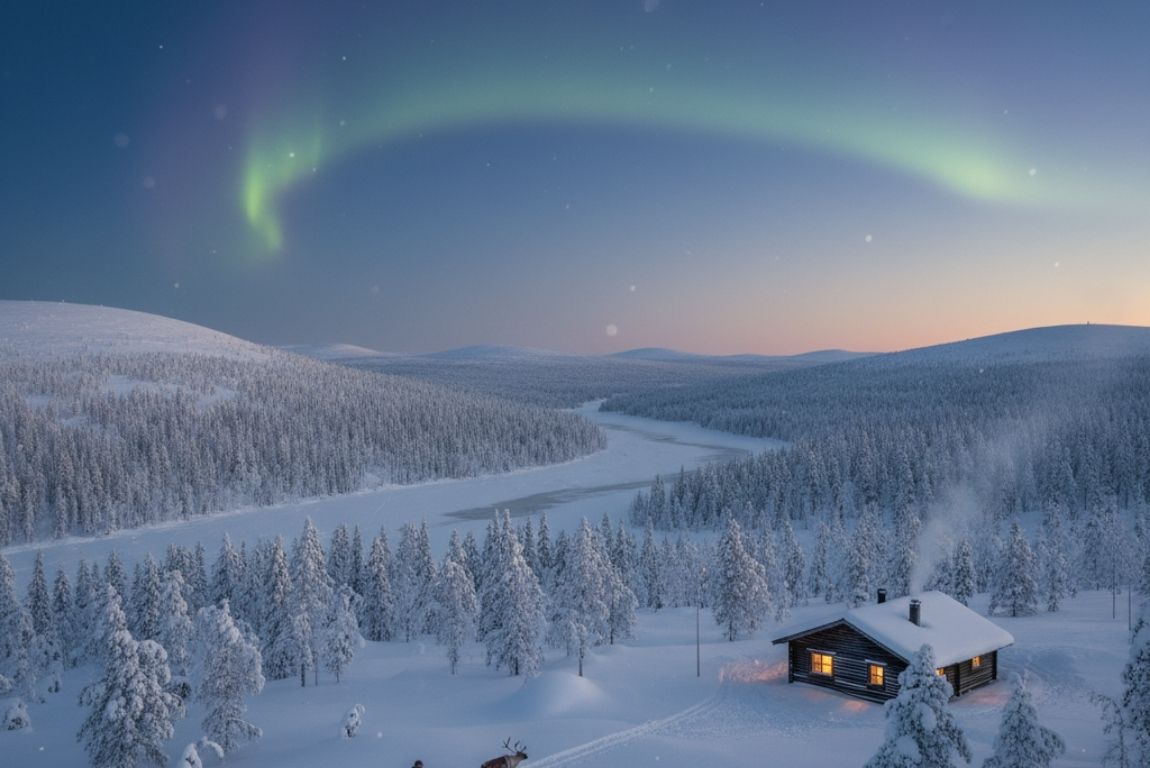
Finnish Lapland
Finnish Lapland runs -5 to 20 degrees from December through March. Yes, that's cold.
But this Arctic region gives you the world's best shot at seeing Northern Lights. December through February brings peak aurora viewing when the sky goes dark and those green curtains start dancing.
Glass igloos dot the landscape, designed for Northern Lights watching from bed. Husky sledding. Reindeer safaris. Snowmobiling through frozen forests.
Rovaniemi has Santa Claus at his official Arctic Circle residence, which sounds touristy but actually delivers a genuinely charming experience.
The extreme darkness of polar nights creates atmosphere you can't find anywhere else.
Then you return to accommodations with fireplaces and Finnish saunas that warm you from your core.
Remote wilderness lodges offer complete Arctic immersion where silence becomes this tangible thing.
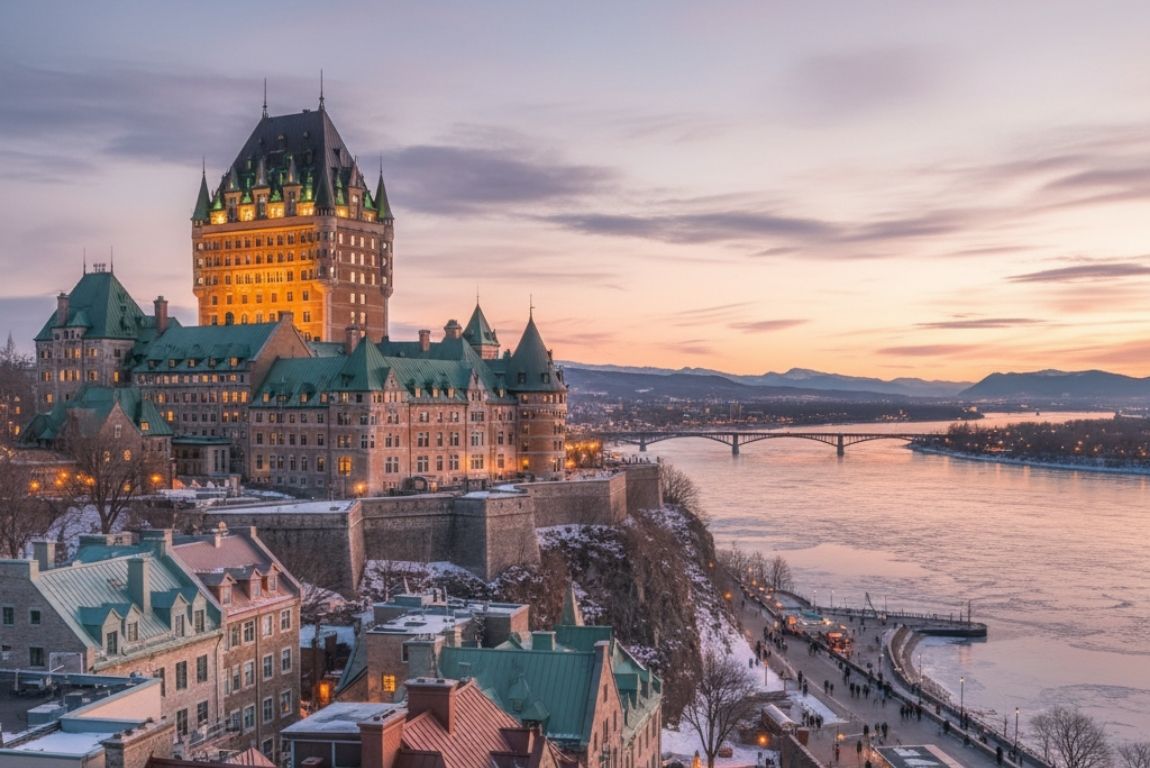
Quebec City
Quebec City from December through March looks like a fairytale someone forgot to wake up.
Old Quebec's cobblestone streets and 17th-century buildings collect pristine snow that transforms this UNESCO World Heritage site into something from a storybook.
Carnaval de Québec runs late January through February. Ice palaces. Night parades. Outdoor activities that celebrate winter instead of just enduring it.
Château Frontenac towers over the walled city like a castle. Quartier Petit-Champlain offers boutiques and cafés perfect for hot chocolate that tastes how hot chocolate should.
Temps run 10 to 25 degrees, but the city leans into it. Outdoor skating rinks. Ice slides.
Christmas decorations stay up through winter. Mont-Sainte-Anne nearby offers world-class skiing.
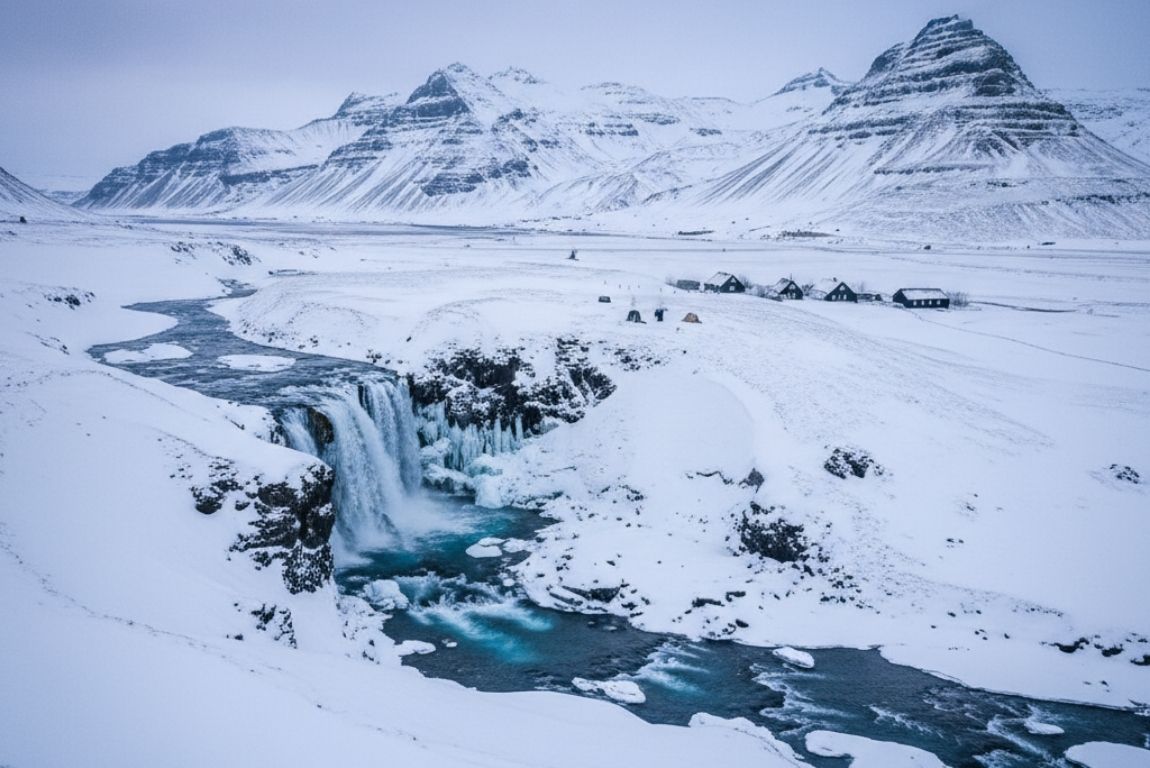
Iceland
Iceland from November through March becomes actual winter wonderland.
Limited daylight (4 to 5 hours in December) provides perfect Northern Lights viewing against volcanic terrain.
Ice caves inside glaciers glow brilliant blue when you explore them. The Blue Lagoon offers that surreal experience of relaxing in milky-blue geothermal waters while surrounded by snow.
Waterfalls like Seljalandsfoss and Skógafoss partially freeze into these sculptural ice formations.
The Golden Circle stays accessible. Winter brings fewer crowds and lower prices.
The contrast between volcanic landscapes and glaciers creates scenery that breaks your brain a little.
Reykjavik provides cozy Nordic cafés, nightlife, and museums for warming up between adventures. Iceland feels like traveling to another planet without leaving Earth.
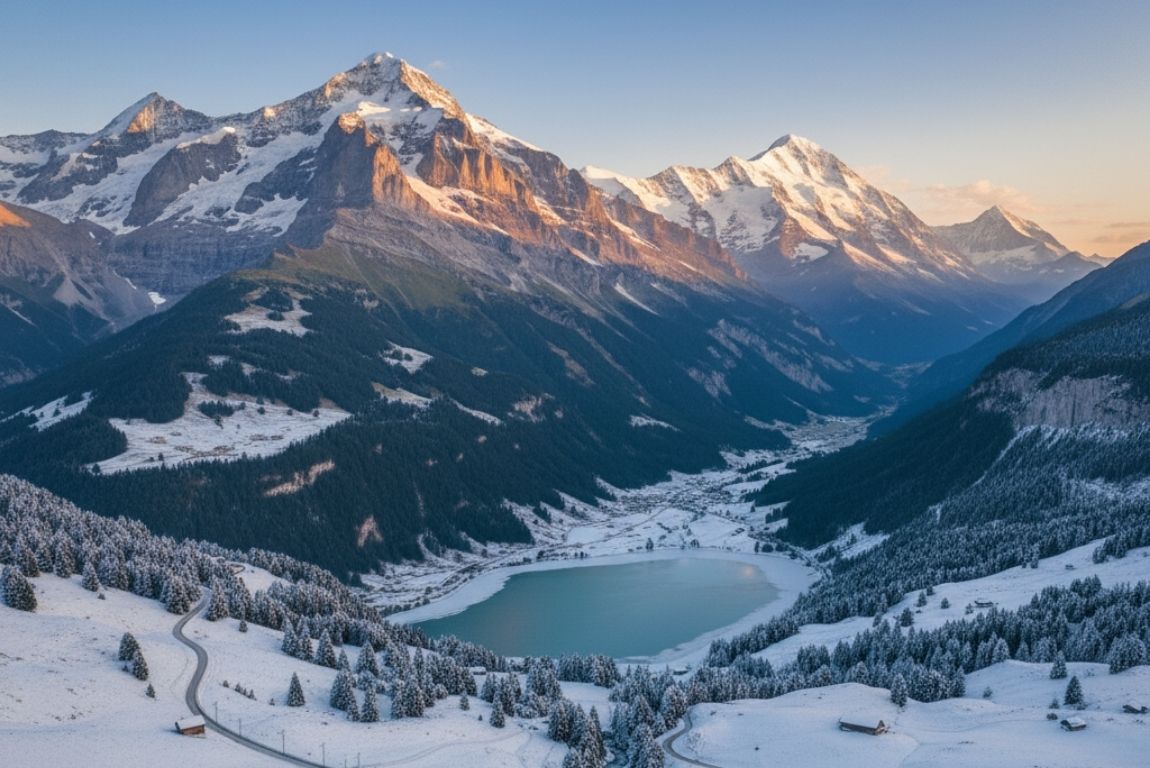
Swiss Alps
Swiss Alps from December through March represent peak winter.
World-class skiing and snowboarding across Zermatt, St. Moritz, and Verbier.
Views of the Matterhorn. Fresh powder on pristine slopes. Alpine villages with traditional chalets. Fondue restaurants. Christmas markets that sparkle.
Temps range 20 to 35 degrees at lower elevations. Higher up guarantees excellent snow.
Beyond skiing, the Glacier Express train journey offers scenic routes through mountains.
Snowshoeing through forests. Ice skating on frozen lakes. Luxury spa resorts for recovery.
Swiss efficiency ensures maintained slopes and mountain infrastructure.
Après-ski culture brings cozy mountain huts serving glühwein and raclette.
Stunning scenery plus chocolate-box villages plus outdoor adventures equals winter that resets your definition of what winter travel can be.
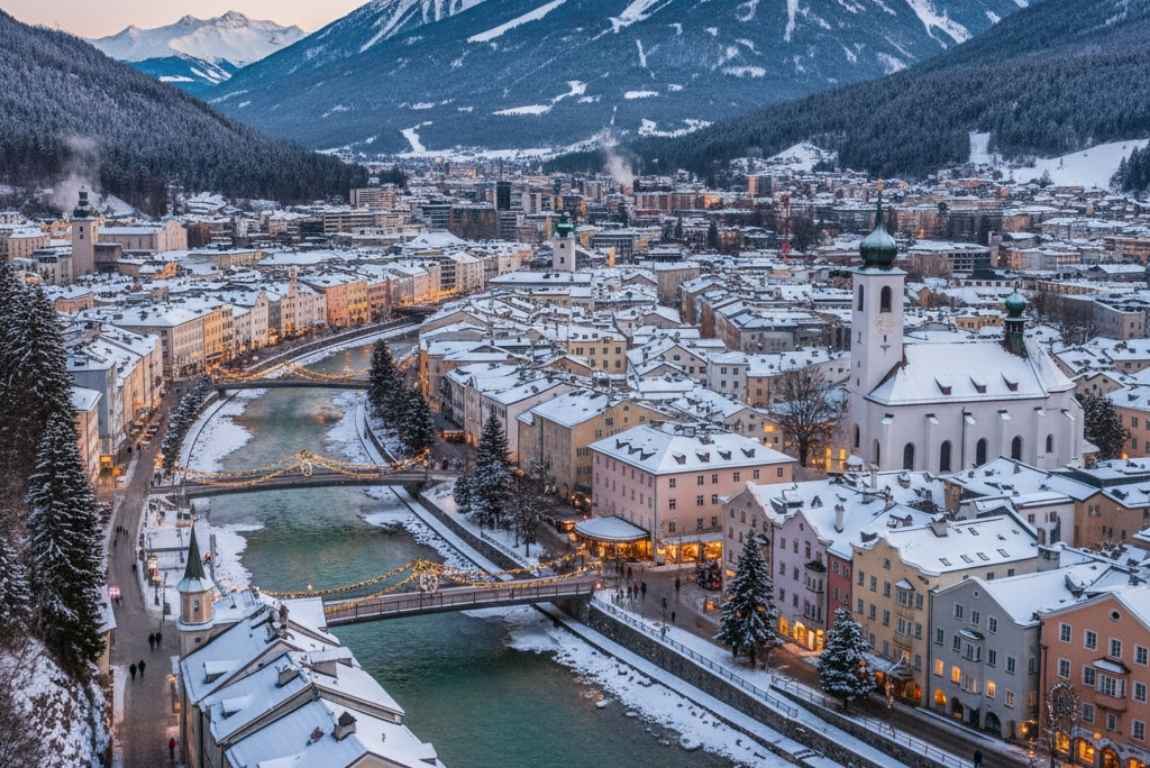
Innsbruck
Innsbruck sits in the heart of Austrian Alps. This compact city hosted two Winter Olympics (1964, 1976), so it knows winter sports.
Nine ski resorts surround it, accessible via direct lifts from city center. Over 300 kilometers of slopes for all skill levels.
Medieval Old Town features the famous Golden Roof, colorful buildings, cozy cafés serving Sachertorte and hot chocolate.
Winter temps range 20 to 35 degrees. You can hit museums in the morning and ski world-class runs by afternoon.
Christmas markets transform the city during holidays. Swarovski Crystal Worlds nearby dazzles visitors.
The blend of urban culture and immediate mountain access makes Innsbruck unique. You get sophistication without pretension.
Cities That Hit Different in Winter
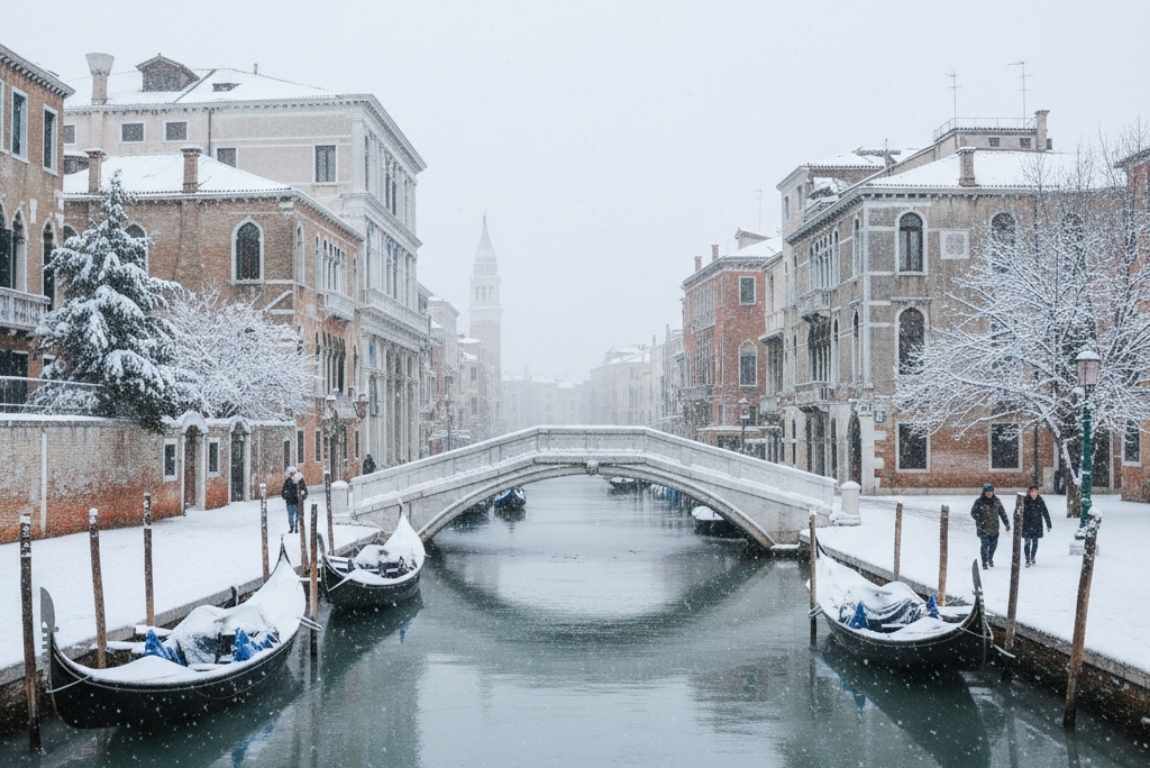
Venice
Venice from December through February reveals its real character when summer crowds disappear.
Fog rolls mysteriously through canal streets. Temps hover around 35 to 45 degrees. Sometimes "acqua alta" (high water) adds to the otherworldly vibe instead of ruining it.
Fewer tourists means you can actually appreciate St. Mark's Square.
Hidden neighborhoods become explorable without playing human dodgeball.
Museums let you admire Venetian masters in peaceful galleries. Winter brings lower hotel rates, easier restaurant reservations, and the chance to experience authentic Venetian life as locals reclaim their city.
Annual Carnival (late January through February) transforms Venice into a spectacular masked ball with elaborate costumes and centuries-old traditions.
Cozy bacari (wine bars) offer cicchetti (small plates) while gondola rides through misty canals create romantic moments.
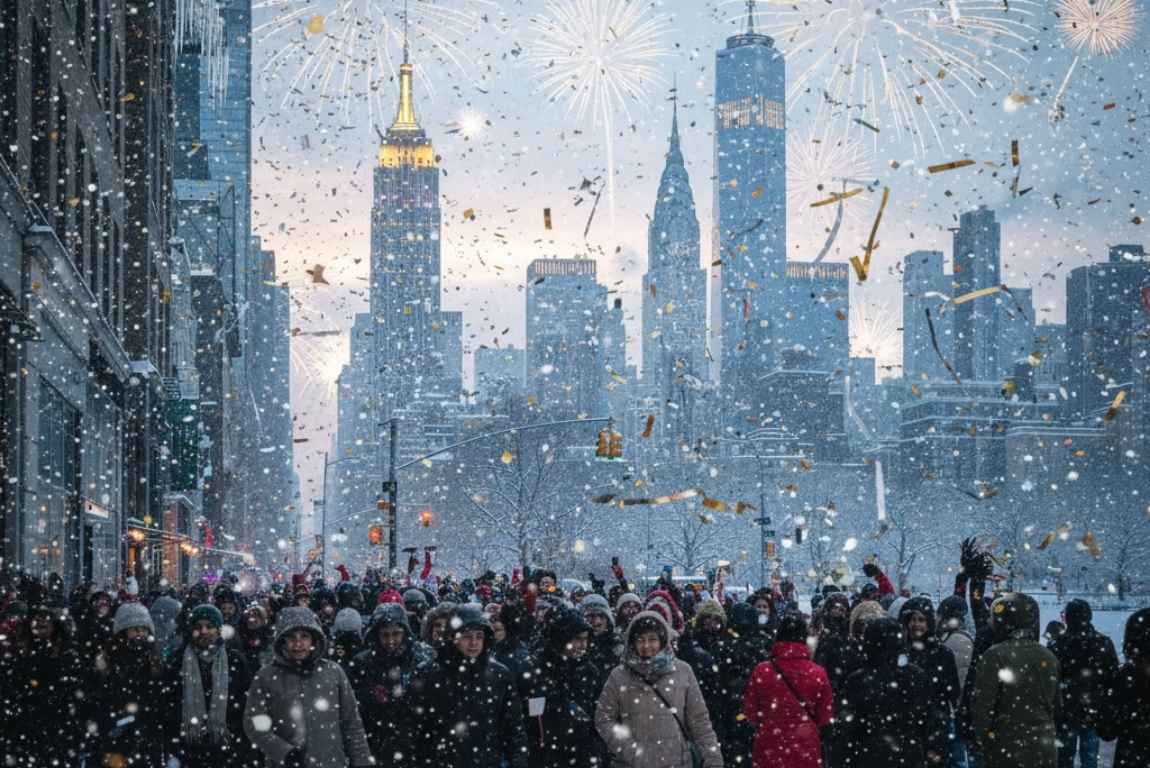
New York City
New York from late November through December becomes the world's most festive metropolis.
Rockefeller Center Christmas tree towers above the ice rink.
Fifth Avenue department store windows create elaborate displays. Central Park covered in snow offers horse-drawn carriage rides and skating at Wollman Rink with skyline views.
Temps range 30 to 45 degrees, perfect for exploring without summer's oppressive heat.
Broadway shows hit peak season. Met and MoMA provide warm cultural escapes. Times Square lights, Brooklyn Bridge walks, all the iconic experiences take on new beauty in winter.
Restaurant Week in January offers deals at top spots. New Year's Eve in Times Square remains the planet's most famous celebration.
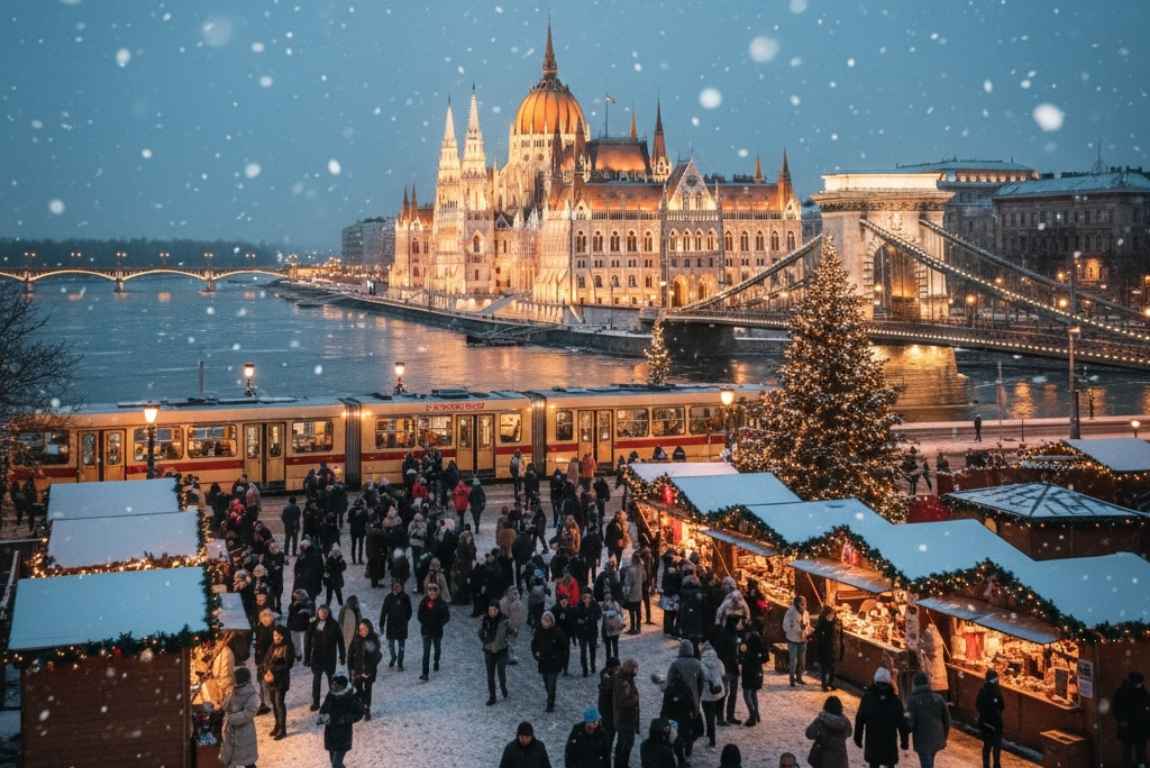
Budapest
Budapest from December through February transforms into a steaming wonderland.
Legendary thermal baths provide perfect refuge from 25 to 40 degree temps.
Széchenyi Thermal Bath becomes especially magical with outdoor pools releasing clouds of steam into cold air while bathers relax in 100+ degree geothermal waters surrounded by neo-baroque architecture.
Christmas markets fill Vörösmarty Square with handcrafted gifts, chimney cake vendors, mulled wine.
The Danube riverfront sparkles with lights reflecting between Parliament Building and Buda Castle.
Winter brings fewer crowds, lower hotel prices, authentic experiences at ruin bars serving goulash and pálinka.
Grand coffee houses provide elegant warmth for afternoon breaks. Winter brings opera and classical concert season at venues like State Opera House.
Japan
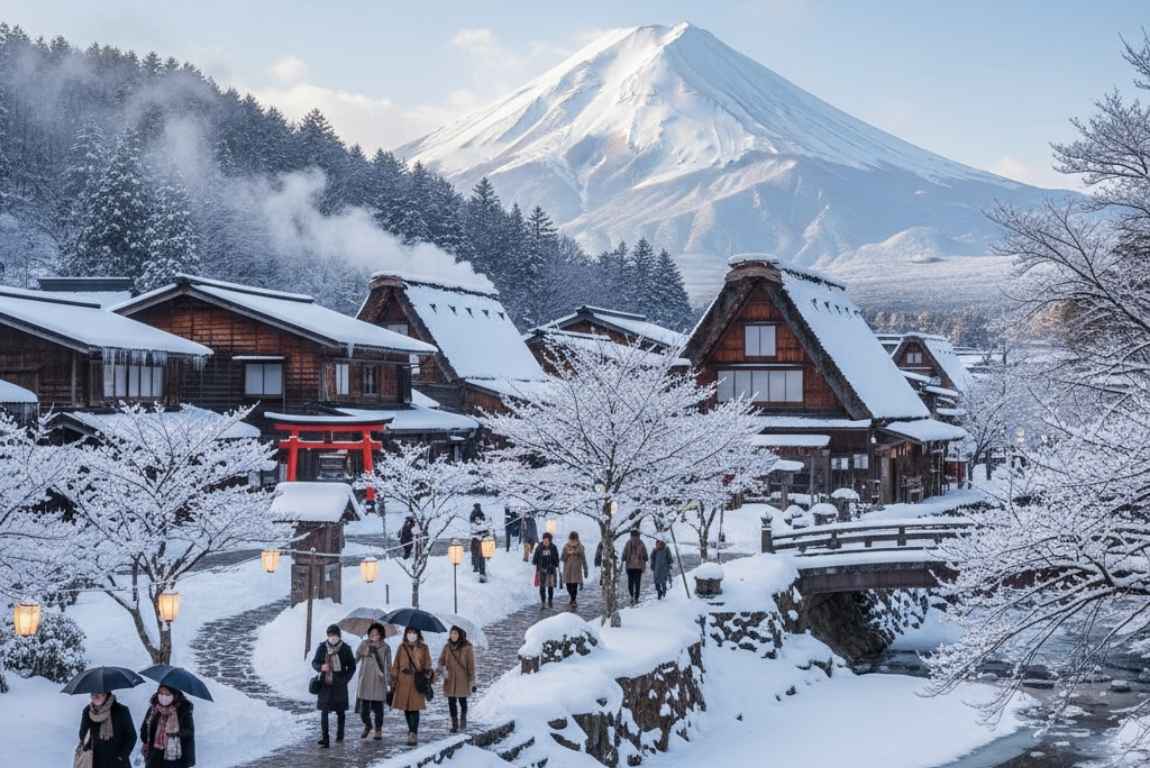
Japan's winter from December through February offers completely different experience than humid summers. Crisp, dry air. Snow-covered landscapes. Temps ranging 30 to 45 degrees in most cities. Spectacular powder skiing in Hokkaido and Japanese Alps ranks among world's best. Hot springs (onsen) provide the perfect way to warm up surrounded by snowy scenery.
Winter illuminations transform Tokyo and Osaka into sparkling wonderlands.
Kyoto's temples dusted with snow create serene scenes.
Winter festivals include Sapporo Snow Festival featuring massive ice sculptures.
Fewer tourists mean easier access to popular spots.
Japanese winter cuisine shines with hot pot dishes, ramen shops, seasonal ingredients.
Mount Fuji views reach peak clarity during winter. Mild temps make sightseeing comfortable without summer's sweltering heat.
Pick What Works for You
Winter 2025 offers options summer can't touch. Fewer crowds. Better prices. Unique experiences that only exist when temperatures drop or sunshine persists while everywhere else freezes.
Pick based on what you actually want, not what travel magazines tell you to want. Chase sunshine in Puerto Rico or embrace cold in Finnish Lapland.
When exploring winter travel destinations, stay connected with tools that work instead of hoping airport WiFi saves you.
Experience these places to travel in winter when they're most authentic, most affordable, and most available.
Winter travel isn't about escaping reality. It's about experiencing places when they're real.
Recap: Best Places to Travel in Winter
Here's what you need to know about winter travel destinations for 2025:
Puerto Rico gives you 75-85 degree weather, Three Kings Day celebrations, San Sebastián Street Festival, and bioluminescent bays that glow brighter in darker winter nights
Florida Keys and Hawaii provide America's warmest winter with crystal-clear snorkeling waters, while Hawaii adds whale watching December through April when humpbacks migrate
Scottsdale and Palm Springs deliver desert luxury at 70-75 degrees with combined 300+ miles of hiking trails and outdoor activities impossible during scorching summers
Finnish Lapland offers world's best Northern Lights odds December through February at -5 to 20 degrees, plus glass igloos, husky sledding, and authentic Arctic experiences
Quebec City and Iceland embrace winter with festivals, ice hotels, dramatic landscapes that only exist when temps drop, giving you European charm without transatlantic flights
Swiss Alps and Innsbruck deliver world-class skiing across 300+ kilometers of slopes with charming villages, thermal spas, après-ski culture of mountain huts and warm drinks
Venice reveals authentic character when fog rolls through empty canals and Carnival transforms the city, while Budapest's thermal baths steam at 100+ degrees as you relax in outdoor pools surrounded by snow
New York City peaks during holidays with Rockefeller Center tree, Central Park skating, Restaurant Week deals, while Japan combines powder skiing, hot springs, snow-dusted temples with fewer tourists
Staying connected matters when navigating new cities, booking last-minute changes, or working remotely, and GigSky's eSIM delivers reliable data in 200+ countries without roaming fees or SIM card hassles
These best travel places in winter offer incredible experiences whether you're seeking warmth or embracing the cold.
When planning trips to the best places to travel in winter, staying connected matters when navigating new cities, booking last-minute changes, or working remotely, and GigSky's eSIM delivers reliable data in 200+ countries without roaming fees or SIM card hassles.
Whether you choose tropical winter travel destinations or snowy adventures among the best places to travel in winter, you'll discover authentic experiences at their peak season.
.png)




.jpg)


%20(1)%201%20(1).webp)


.svg)
.svg)
%20(29).jpg)