7 Unusual Facts About Thailand That Will Change How You Travel
August 6, 2026
|
Amira Bula
Most people arrive in Thailand knowing three things. Beaches, temples, pad thai. Then the country quietly upends every one of those assumptions within about a week.
Some of the interesting facts of Thailand only make sense once you're standing in the middle of them, soaked to the bone with no idea why. Here are the ones worth knowing before you go.
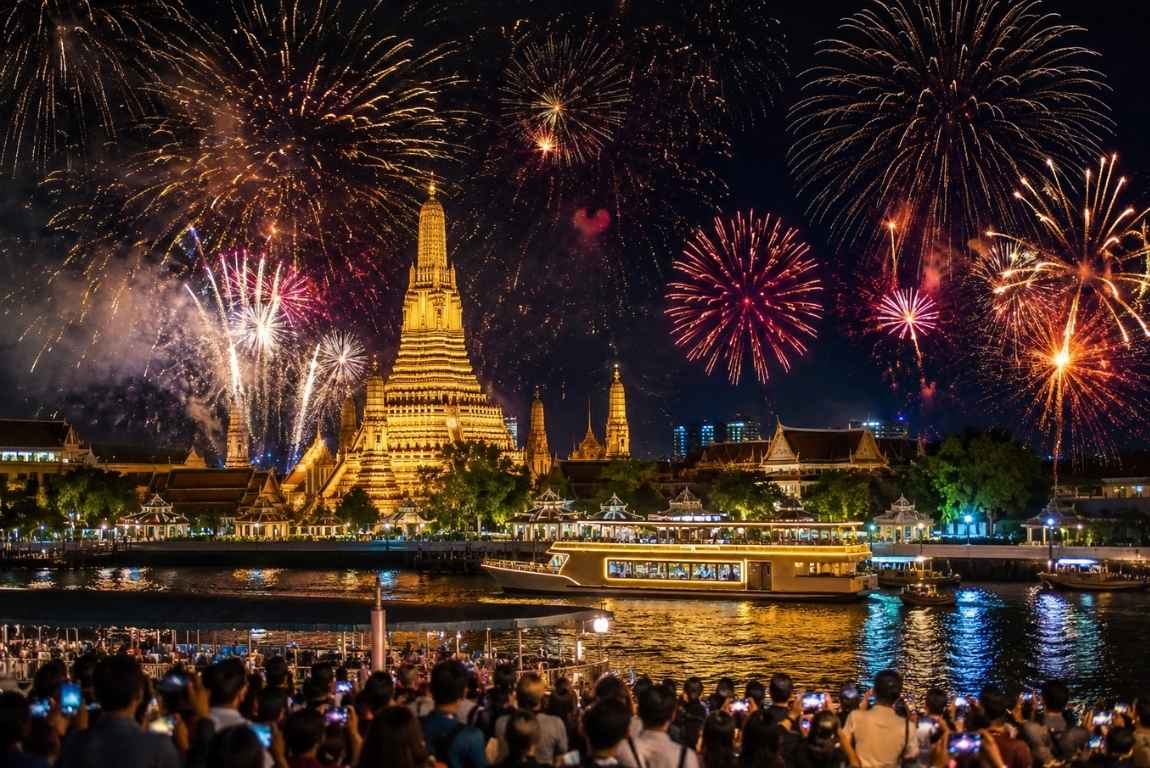
Thailand celebrates New Year 3 times
Yes, three. There's the regular Western New Year on January 1, fireworks and all. A few weeks later, many people with Chinese heritage mark Chinese New Year. And then comes the big one.
Songkran, the traditional Thai New Year in mid-April, turns the entire country into a three-day water fight.
Strangers will soak you head to toe with buckets, hoses, and industrial-grade water guns, and getting drenched isn't just tolerated, it's the whole point. Show up in April and pack accordingly.
Bangkok isn't really called Bangkok
Locals call it Krung Thep. The full ceremonial name is 168 letters long, which is enough to hold the Guinness World Record for the longest place name anywhere.
It's not really a name so much as a royal description of the city as a capital of angels and a city of nine gems, and it goes on from there. Nobody actually says it. Even Thai people give up after the first two words.
Some of the most surprising facts about Thailand aren't in any guidebook
A few of these you'll only pick up by paying attention. Thai people don't type "lol" or "haha."
They type 555. Five is pronounced "ha" in Thai, so 555 comes out as "hahaha." You'll start seeing it in comments and group chats once you know to look, and it's one of those small facts about Thailand that makes the internet there feel a bit more human.
Here's one that surprises history buffs. Thailand is the only country in Southeast Asia that was never formally colonized by a European power.
Britain took Myanmar and Malaysia. France took Laos, Cambodia, and Vietnam.
Siam stayed independent by playing the two colonial giants against each other, which meant some sharp diplomacy and, honestly, some painful territorial concessions too. It's a point of quiet national pride that still carries weight.
Your Visa card might come with free data here (and almost nobody uses it)
This is one of the more useful unusual facts about Thailand, and it hides in plain sight.
If you carry an eligible Visa credit or debit card issued anywhere in the world, you can get free mobile data for your first few days in the country. No local SIM, no roaming charges, no pre-buying a tourist plan.
Visa partners with a company called GigSky to offer this for Thailand and a handful of other destinations.
Depending on your card, you get either 3 days or up to 7 days of unlimited data. Higher-tier cards like Visa Infinite usually unlock the full 7 days, while most other eligible Visa cards land at 3.
All you need is an unlocked, eSIM-compatible phone, which covers almost every modern iPhone and plenty of Android models.
You download the GigSky app, tap the Visa banner, and enter your card number to check eligibility.
The check doesn't charge you anything, and once you're verified the free plan just appears. The whole thing takes a couple of minutes, even before you leave home.
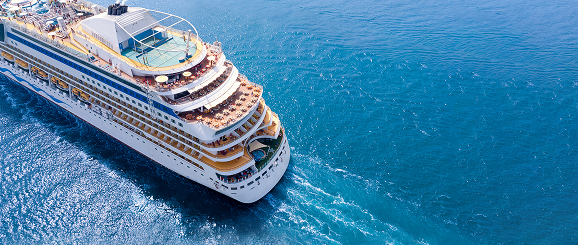
What makes it genuinely worth knowing is the range. GigSky is the only eSIM that keeps you connected on both land and at sea, across 200+ countries and 290+ cruise ships, so if Thailand is one stop on a bigger trip, the same app carries over.
Most travelers never realize the perk is sitting in their wallet, so they wait in an airport SIM queue instead.
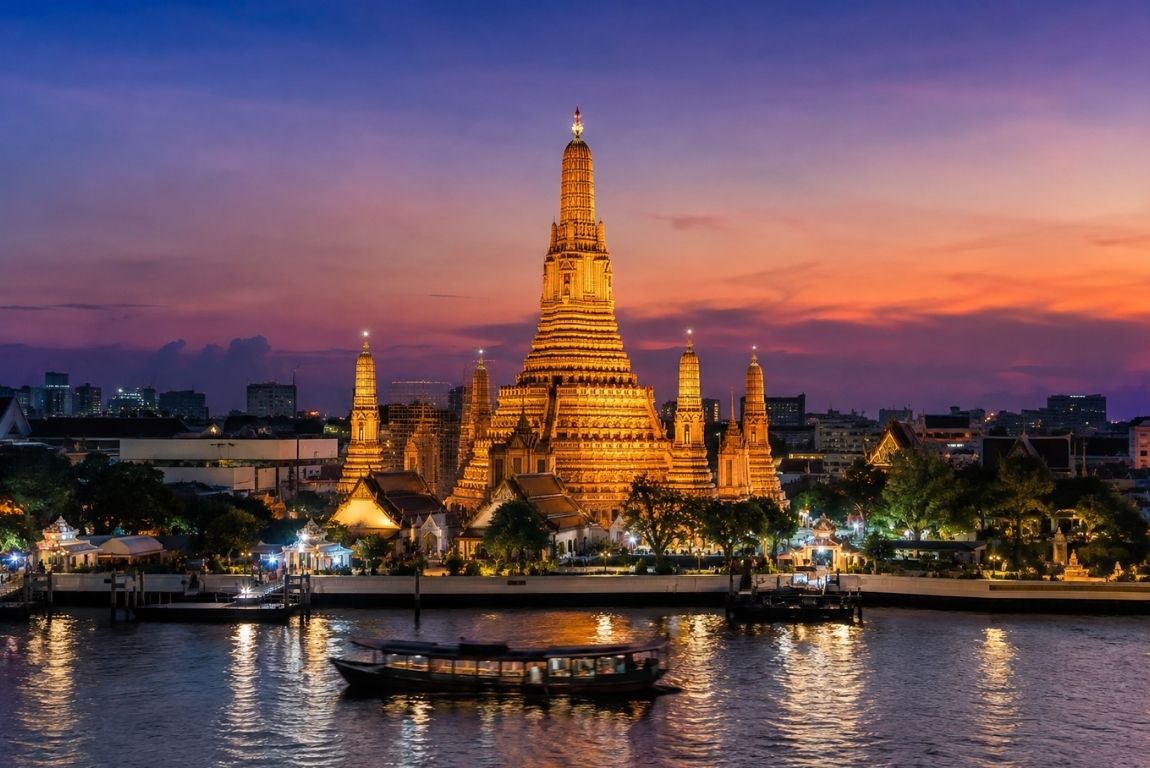
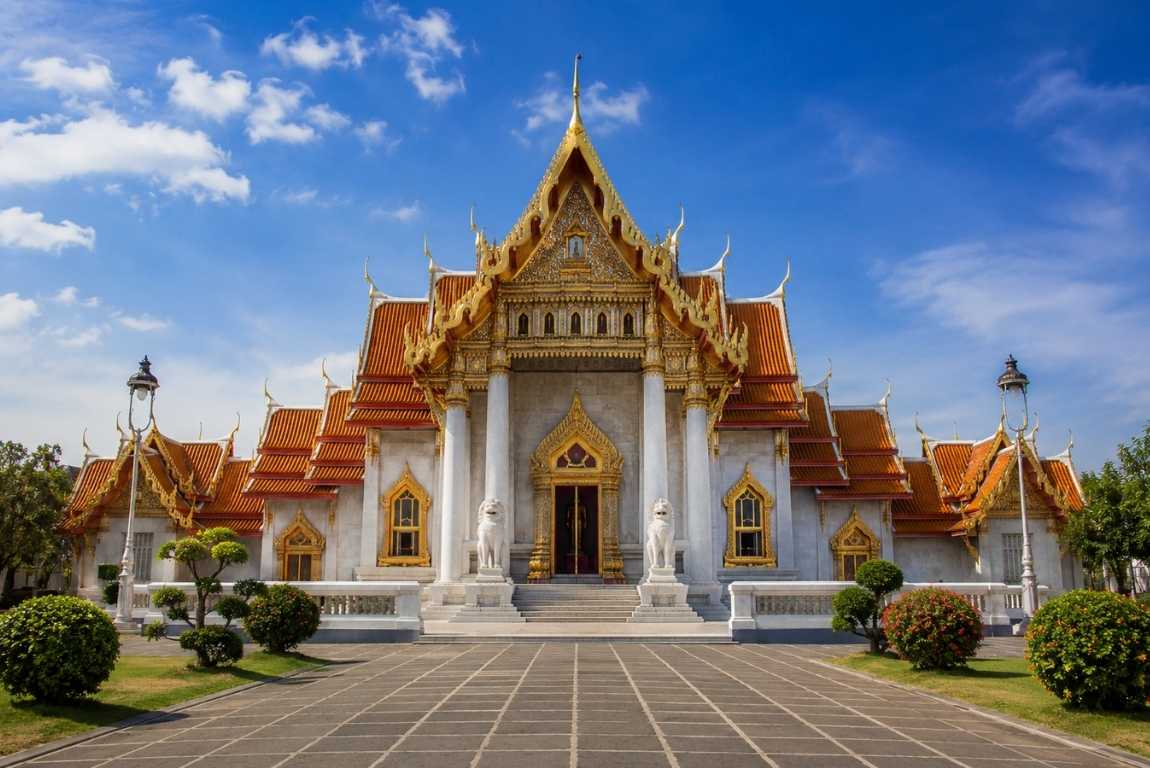
Temples outnumber almost everything
There are more than 40,000 Buddhist temples across Thailand, roughly 44,000 by official counts. Some are tiny village wats that have stood for centuries.
Others are sprawling golden complexes that still anchor daily community life.
Drive through the countryside and you'll pass three or four in the space of ten minutes without trying.
The country is far less uniform than it looks
Thailand splits into 77 provinces, and the regional differences run deeper than most visitors expect.
Northern Thai, Isan in the northeast, Southern Thai, and Central Thai each carry their own dialect, accent, food, and customs.
Someone from Chiang Mai and someone from Songkhla can genuinely struggle to follow each other in pure regional dialect. The food shifts hard too.
Sticky rice and fiery salads up north, coconut curries and seafood down south. Treating Thai cuisine as one thing misses the point entirely, and that's one of the [[thailand unique facts]] that reshapes how you plan a trip across regions.
Red Bull was born here
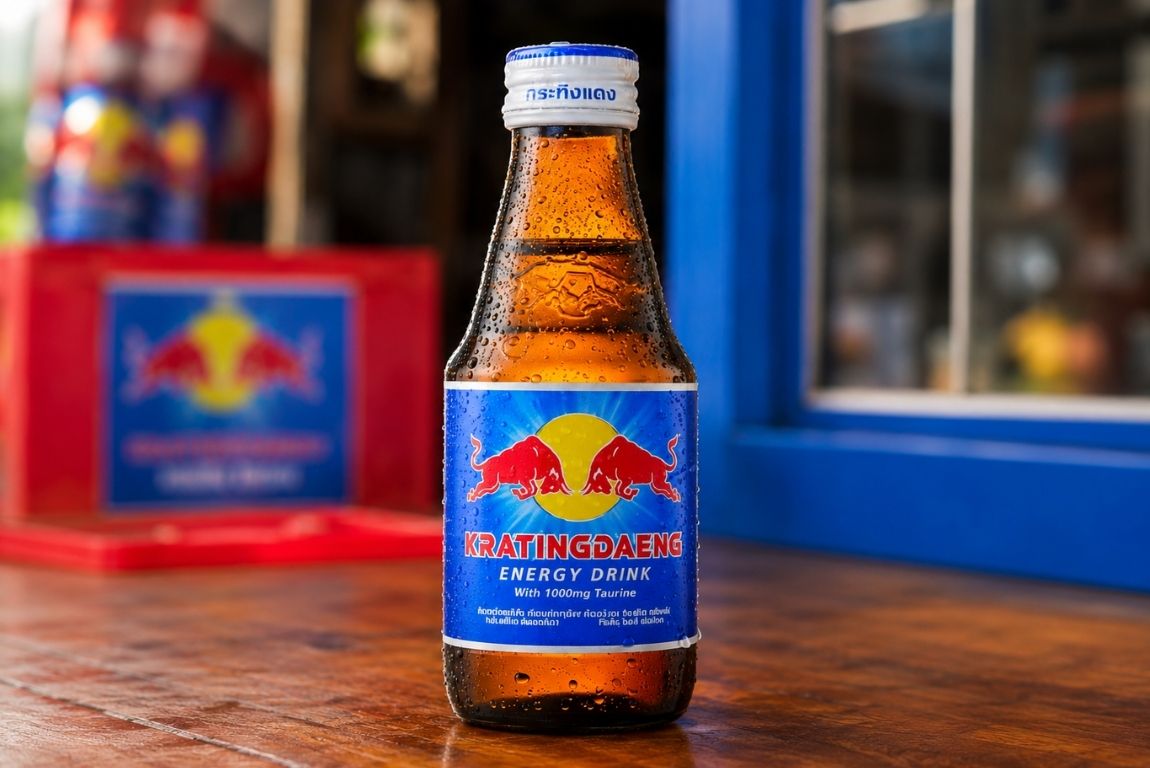
The global energy drink started here as Krating Daeng, which means "Red Gaur" after a kind of wild ox.
A Thai businessman made it in the 1970s to keep truck drivers and laborers going through long shifts.
An Austrian marketer came along later, reworked the formula for Western palates, and that's the version most of the world drinks now.
The Thai original is still around and tastes pretty different. Thicker and sweeter, less fizz. Try it once if you're curious where the whole thing came from.
The country just keeps doing this to you. One of the interesting facts of Thailand leads to another, and by the end of a trip you've collected a dozen you can't wait to tell people about.
Recap: Unusual facts about Thailand worth remembering
Thailand does New Year three times over, and if you're there in April, Songkran means three days of getting soaked whether you signed up for it or not.
Bangkok's real ceremonial name runs 168 letters, the longest on the planet. Everyone just says Krung Thep.
Small everyday facts about Thailand, like typing 555 for laughter, make the culture click faster once you spot them.
An eligible Visa card can unlock 3 to 7 days of free GigSky data, and the eligibility check never charges you.
With 200+ countries and 290+ cruise ships covered, one of the handier unusual facts about Thailand is that the same eSIM works well beyond the country too.
More than 44,000 temples, 77 distinct provinces, and the birthplace of Red Bull round out a country that keeps surprising you.
.png)




.jpg)


%20(1)%201%20(1).webp)


.svg)
.svg)
%20(3).jpg)