

%2520-%25202026-06-18T150056.521.jpg&w=3840&q=75)


Europe Summer Travel Mistakes That Can Cost You More Than Expected
Are you making these Europe summer travel mistakes? From phone plans to VAT refunds, the savings may surprise you.
 by Amira Bula
Europe summer travel has a particular energy to it. You've booked the flights. You have a rough idea of the cities, maybe a list of places to eat, and the kind of loose excitement that comes before a trip where the details are still taking shape. That part feels good.
What doesn't get planned, usually, are the smaller decisions. Not the big ones, the hotel, the itinerary, the flights.
The ones that happen at a card terminal when it asks which currency you want to pay in. At an airport counter when you need cash fast.
On your phone when you land and it connects to whatever network it finds first.
None of those moments feel significant in isolation. But they're where a European summer trip gets more expensive than it needs to be, and by the time most people notice, they're already home.
A few things are worth knowing before you go.
Mistake #1: Assuming Your U.S. Phone Plan Will Work in Europe
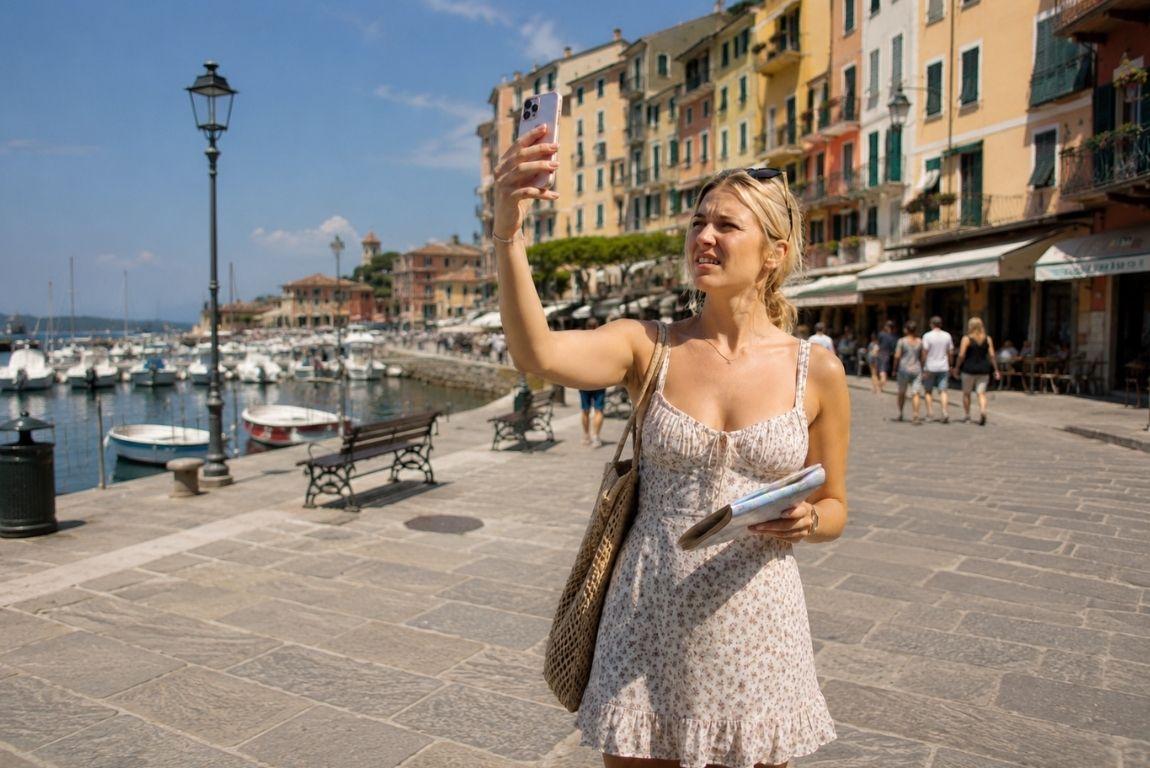
For anyone planning Europe summer travel, connectivity is one of the first things worth sorting before departure.
Most U.S. carriers charge roaming rates that bear no relationship to what you actually pay at home.
Your carrier's international plan probably works. The question is what it costs.
Data roaming charges, international call rates, even incoming texts in some cases, can show up on your bill in ways that aren't obvious until you're home and opening your statement.
A lot of people figure they'll just use Wi-Fi. And for stretches of a trip, that's fine. But there's always a moment where it isn't, and that moment tends to come at the worst time.
You're underground on the metro. You need to pull up your hotel confirmation. Your banking app needs a signal to verify you're not a fraud risk. Free hotspots don't care about your schedule.
An eSIM handles this more cleanly, especially if you're moving through more than one country.
It's a digital SIM card built into your phone, no physical swapping, no stopping at a vendor after a long flight. You load a plan before you leave, and when you land, your phone connects.
Most phones made in the past few years support eSIM, though it's worth confirming yours does before you commit to anything.
GigSky's Europe eSIM covers 41 countries, including Turkey and Cyprus, so you can move through multiple countries on a single plan.
You set it up once and it works when you land, without adjusting settings or starting anything manually.
There's also a 500MB free plan to try it before committing, no credit card required.
And if you have an eligible Visa Infinite or Visa Signature card from the U.S., Canada, or Latin America, you may receive 1 to 3GB of free data plus 20 to 30% off additional plans.
Visa recently extended this benefit. Now, if you have any eligible Visa credit or debit card anywhere in the world, you may qualify for up to 7 days of free data in select destinations, including the UK, France, and other Visa Destinations countries.
Eligibility varies by card, so it's worth checking the details before you travel. You can verify your card's eligibility and explore options at gigsky.com/visa/destinations.
Mistake #2: Paying in the Wrong Currency (and the Wrong Way)
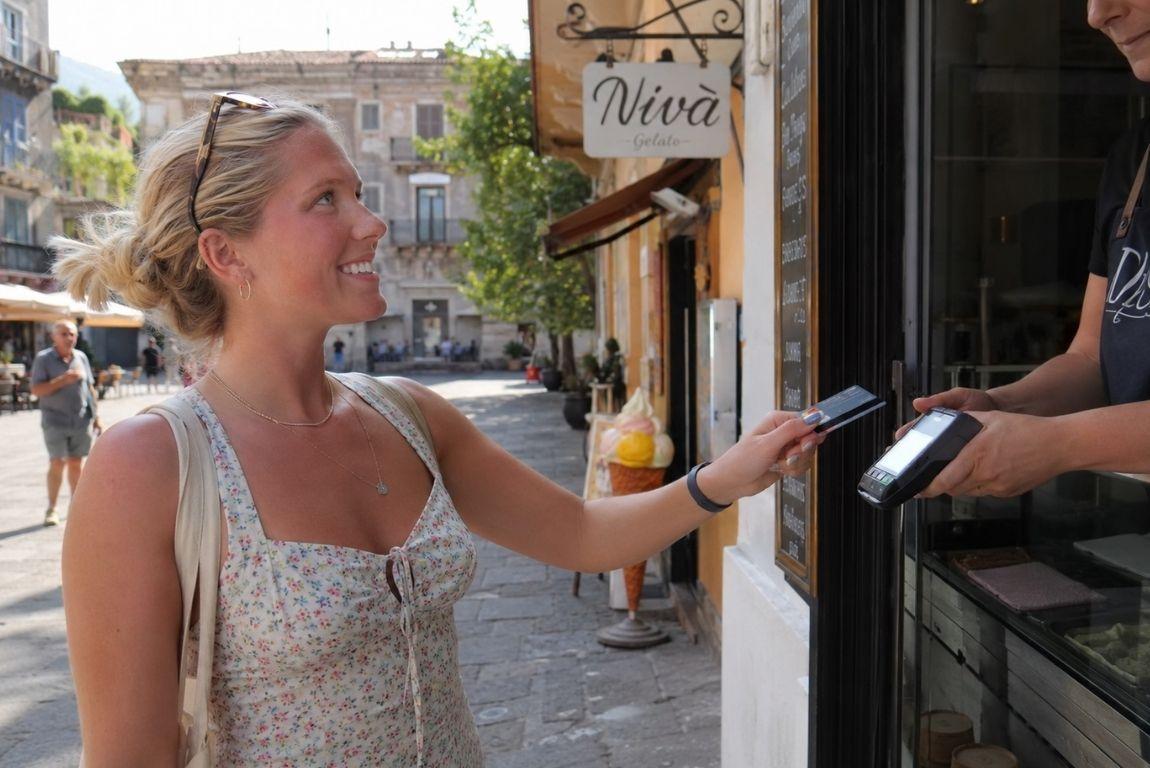
Accepting the Card Terminal's Offer to Charge You in Dollars
When you travel summer Europe, one of the most quietly costly moments happens at a card reader, not at a ticket booth. The terminal in a restaurant or shop asks whether you'd like to pay in the local currency or in U.S. dollars.
It feels like the more transparent option. You can see exactly what you're being charged.
But what's happening behind it is called dynamic currency conversion, where a third party converts the transaction at a rate that's worse than your bank's standard exchange rate, sometimes with an added commission on top.
Always choose the local currency. Your bank handles the conversion at the standard rate, which is almost always better. The USD amount on the screen is a convenience that costs you money.
Using a Card That Charges Foreign Transaction Fees
These fees are typically 2 to 3% per transaction. That sounds small. But they apply to every meal, every transit card top-up, every museum ticket, every coffee.
On a two-week trip with regular card use, you can pay a meaningful amount in fees that had nothing to do with anything you actually bought.
Before you travel, check whether your card charges foreign transaction fees. If it does, consider carrying a card that doesn't. Many travel-focused credit cards have eliminated these fees entirely.
Exchanging Cash at the Airport Counter
The exchange counters at major European airports and tourist zones offer convenience at a cost. The rates are typically worse than what you'd get from an ATM, and the fees often aren't visible until the transaction is done.
If you need local cash, withdrawing from an ATM using a debit card that reimburses international ATM fees is a more practical approach. Some U.S. banks, like Charles Schwab, have accounts that refund these fees automatically. It's worth knowing what your bank's policy is before you land.
Mistake #3: Walking Out of the Airport Without Claiming Your VAT Refund

For anyone on an Europe budget trip, this is one of the most overlooked ways to recover real money. Non-EU visitors can often reclaim part of the value-added tax paid on purchases made across the continent.
VAT rates vary by country, and not every purchase qualifies, but for travelers who spend on clothing, leather goods, or other eligible items, the refund is real money.
The process requires some planning. When you buy something at a store that offers VAT refunds, ask for the VAT form at checkout. There's usually a minimum purchase amount. Bring your passport when shopping, since it's often required to complete the form.
At the airport, you'll need to get the form stamped by customs before you clear security, then process the refund at a kiosk or drop it in a prepaid envelope.
The refund won't equal the full VAT amount, since there are processing fees. But getting 10 to 15% back on a significant purchase is a meaningful return.
The part travelers miss most often is the airport step, either because they run out of time or didn't know to leave extra time at the terminal. If you're shopping at stores that participate, factor this into your airport schedule.
Mistake #4: Eating Every Meal Near the Attractions

Where You Eat Matters as Much as What You Order
A big part of what makes Europe summer travel memorable is the food, but where you sit matters as much as what you order. Restaurants on the main tourist corridors charge for the view and the foot traffic. The pasta in the piazza near the Colosseum and the pasta four streets away can be very different prices for the same dish.
Neighborhood places, markets, and street food stalls tend to serve food that's both better and cheaper. Most cities in Europe have a local food culture worth finding, whether it's a covered market, a neighborhood café with hand-written menus, or a lunch spot where locals eat standing up. In most cases, it's the better meal.
Making Dinner Your Main Restaurant Meal
Many restaurants across Europe offer a set menu at midday, often called a menu of the day or a prix-fixe lunch. In Spain, you might get a starter, main course, dessert, and a drink for around 12 euros. The same meal at dinner could cost 20 euros or more. In Italy, the pasta lunch situation works similarly.
Making lunch your main restaurant meal and keeping dinners lighter or more casual is one of the more effective ways to eat well throughout a trip without overspending.
Ignoring the Small Purchases That Add Up Daily
A bottle of water near a major attraction. A snack at a tourist market. A coffee you ordered seated when the standing price was a third less.
These purchases feel trivial in the moment. Across two weeks, they add up. Carrying a reusable water bottle helps, tap water is safe in most of Western Europe, and Italy has public fountains throughout its cities. Keeping a snack in your bag cuts down on the impulse purchases that happen when you've been walking for three hours and everything looks good.
On coffee: in Italy, the difference between standing at the bar and sitting at a table can be 2 euros per cup. Following what locals do is both cheaper and more enjoyable.
Mistake #5: Defaulting to Taxis When Better Options Are Right There

Whether it's your first or fifth time to travel summer Europe, it's easy to default to the nearest, most obvious transport option. The mistake is not checking what else is available.
Most major cities have metro systems, buses, and often day or weekly transit passes that cap your spending.
London's Oyster card stops accumulating charges after a few rides. Berlin's transit pass covers the U-Bahn, buses, and trams on a single daily rate.
These systems exist specifically for the kind of movement tourists do, moving between neighborhoods, back and forth to major attractions, out to the airport.
For getting between cities, long-distance buses like FlixBus have routes starting around 19 euros, and overnight options let a bus ride double as a night's accommodation.
Ride-sharing through services like BlaBlaCar connects travelers with drivers making the same trip, with the cost split on fuel. Neither of these is as fast as high-speed rail, but the price difference is often significant.
And walking. European cities, particularly older ones, are laid out for pedestrians. Moving through the streets is part of the experience.
A walk from one neighborhood to another that would feel unreasonably long in a U.S. city is often very manageable in Paris, Rome, or Barcelona.
Mistake #6: Buying Every Attraction Pass Without Running the Numbers
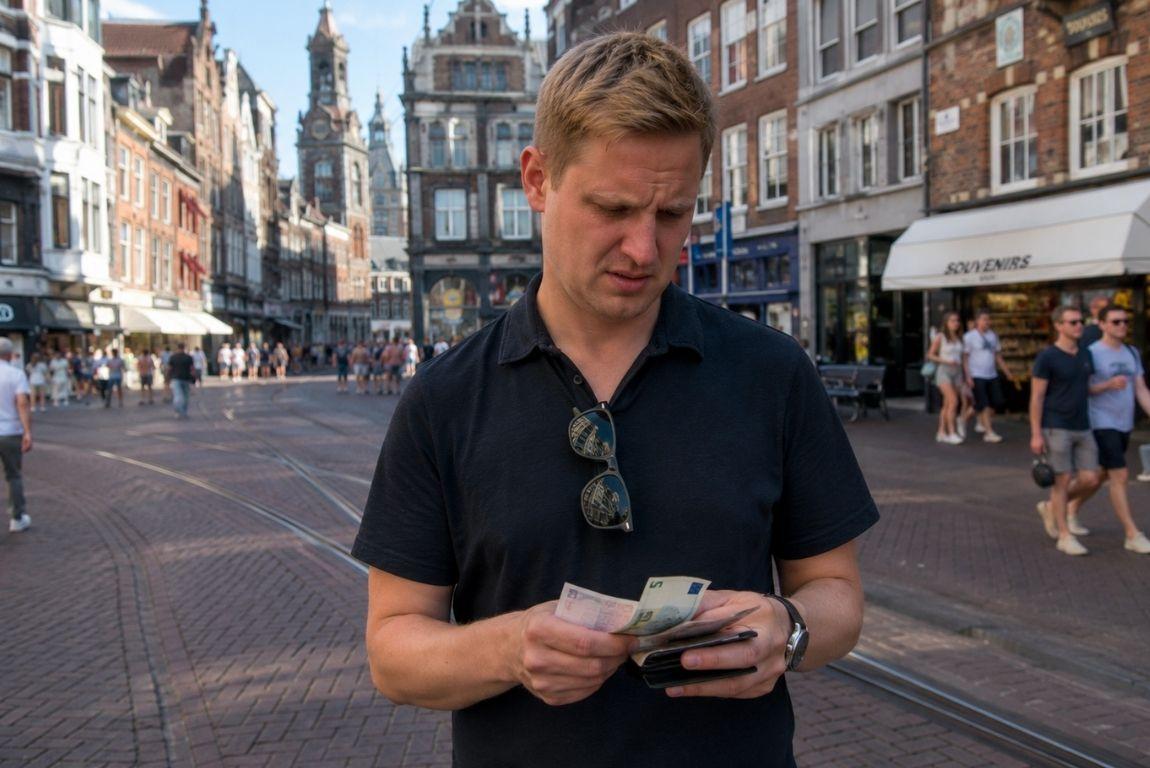
City Passes: Only Worth It If You Do the Math
Tourist passes like the Paris Museum Pass or the London Pass offer real value if you're planning to visit enough of the included attractions.
For anyone treating this as an Europe budget trip, a pass that goes underused is just an upfront cost that doesn't pay off.
The calculation is simple: list the attractions you're actually likely to visit, look up their individual entry prices, and compare to the pass cost.
Sometimes individual tickets, or local combination deals, work out better. The Wawel Castle complex in Krakow, for example, offers individual ticketing for different parts of the grounds that can be cheaper than a blanket entry.
Doing a small amount of research before you book any pass saves a real amount of money.
Overlooking the Free and Near-Free Experiences That Are Often the Best
Walking tours are available in most European cities and are typically tip-based, not free outright.
A guide in Amsterdam or Paris who spends two hours walking a group through the city's history usually earns their tip. People tend to tip 10 to 15 euros, which is still cheaper than most paid tours and often more personal.
Many European museums have free-entry days or discounts for certain groups. Paris offers free museum Sundays once a month.
Rome's Colosseum has designated free-entry days, though they draw larger crowds. Students and travelers under a certain age often qualify for reduced tickets.
Beyond scheduled attractions, some of the most memorable parts of Europe summer travel cost nothing: sitting in a public square in the late afternoon, walking through a city park, exploring a neighborhood that wasn't on the original itinerary.
These aren't consolation prizes for a tight budget. They're genuinely good.
Before You Go: A Quick Checklist
- Check whether your phone is unlocked and eSIM-compatible. Look into a Europe eSIM plan before you leave, particularly if you're crossing multiple countries.
- Verify whether your eligible Visa card qualifies for free data days in your destination.
- Use a card with no foreign transaction fees, and always choose local currency when asked by the card terminal.
- If you plan to withdraw cash, confirm your bank's international ATM fee policy before you arrive.
- Keep VAT refund forms if you make qualifying purchases, and budget extra time at the airport to complete the customs step.
- Shift your main restaurant meal to lunch to take advantage of set-menu pricing.
- Carry a reusable water bottle and keep snacks on hand to reduce impulse spending near tourist sites.
- Check whether a city pass actually covers enough of your planned itinerary to be worth the price before buying.
- Look into day transit passes, long-distance buses, and walking routes before defaulting to taxis or premium rail options.
The Trips That Stay With You Don't Cost the Most
Most of the mistakes above aren't about being careless. They happen because the decisions feel small in the moment, or because there's no obvious signal that a better option exists.
A card terminal asking which currency you want to pay in doesn't tell you which choice benefits you. A restaurant near a famous landmark doesn't advertise that the food is cheaper two streets over.
Knowing what to look for means you spend the trip making choices instead of absorbing defaults.
Traveling Europe on a budget isn't about cutting the experience short.
It's about redirecting the money you'd otherwise lose to avoidable fees and tourist-zone markups toward the things that actually matter, whether that's an extra night in a city you didn't expect to love, a dinner that felt genuinely worth it, or just the freedom to say yes without doing mental math every time.
That's the practical case for planning well. Europe is worth it. So is going in with your eyes open.