
%2520-%25202026-06-18T131719.225.jpg&w=3840&q=75)


10 European Summer Destinations That Are Replacing Europe's Most Overrated Hotspots in 2026
Skip Santorini, Amalfi, and Mykonos. These 10 lesser-known European destinations deliver the same magic for far less.
 by Amira Bula
You don't need to spend Santorini, Amalfi Coast, or Mykonos money to get turquoise water, cliffside towns, long dinners, and the kind of views that make your camera roll explode.
If you're already planning Europe for the summer and want the smarter play before everyone else catches on, this list is the one to bookmark.
These are the best European cities to visit in summer, plus a few coastal and lake destinations that most travelers haven't found yet.
They deliver the experience people fly across the world for, without the prices, the crowds, or the overhyped reputation.
The Santorini/Mykonos dupe: Ksamil and the Albanian Riviera
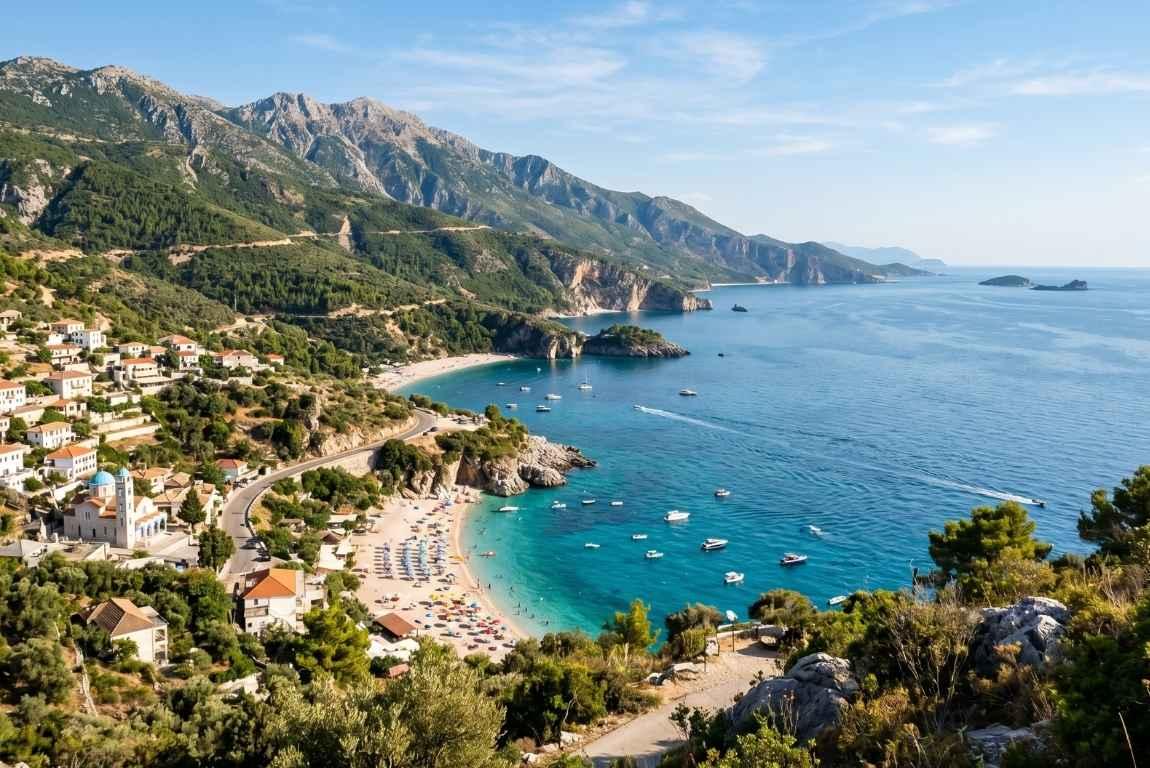
The "Maldives of Europe" nickname came from TikTok but it holds up in person.
Turquoise water, small islands you can actually swim out to, mountain backdrops that the Greek islands don't have, and family-run tavernas where fresh seafood is still priced like it's 2018 compared to Mykonos. No €15 cocktails. No cruise ships parked in the bay.
The beaches that feel private aren't private because they're secret. There's just more space.
July and August have gotten noticeably busier. The word has spread fast and the infrastructure, roads and some basic services, is still catching up.
June or September is the smarter window if you want the experience before the peak crowd arrives.
Prices have gone up from a few years ago but they're still a fraction of what you'd spend in Greece for the same water quality. Couples, beach lovers, anyone who wants boat trips plus hiking without paying resort rates.
The Croatian coast dupe: Ulcinj, Montenegro
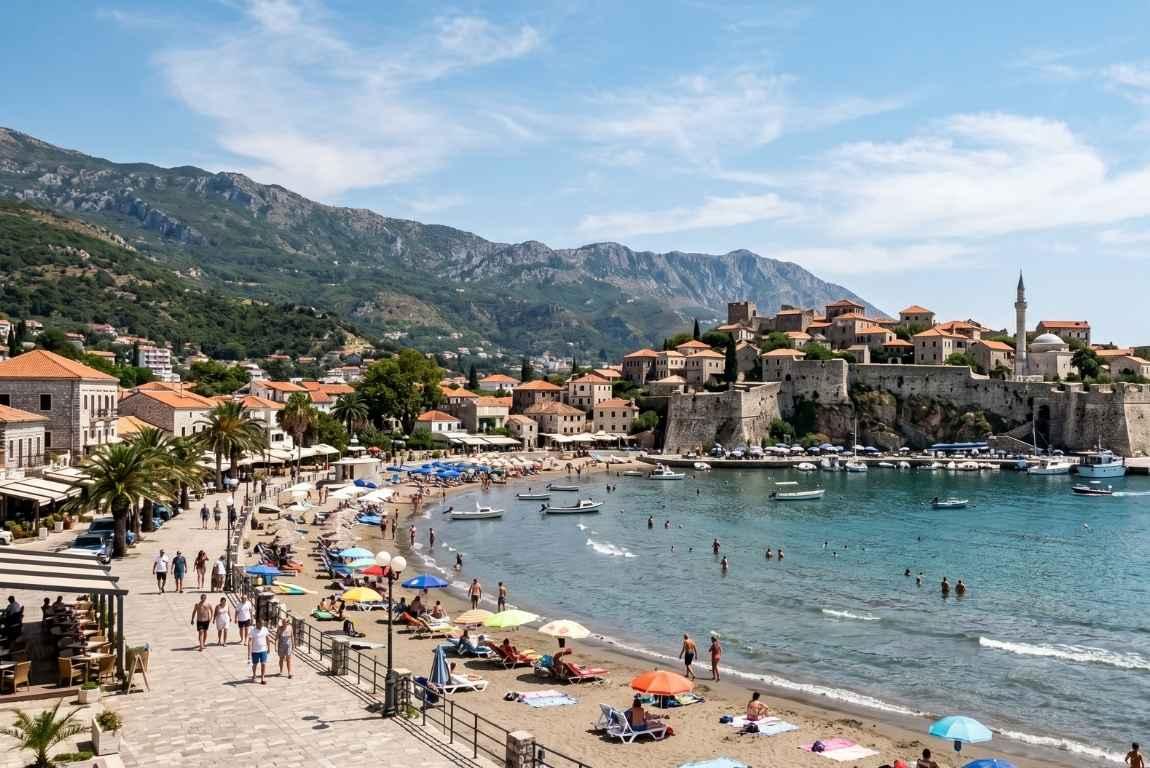
Most Montenegro visitors do Kotor, maybe Budva, and head home. Ulcinj sits further south and it's where the country gets interesting.
Long sandy beaches. That's rare on the Adriatic. Velika Plaza has wild dunes with no equivalent in Croatia.
The old town is Ottoman, not Venetian, and you feel that difference in the food and the music and the general atmosphere.
There's a strong Albanian cultural influence that gives Ulcinj its own identity, instead of feeling like a slightly cheaper Split.
Time Out put it on their most underrated list for 2026. Summer heat here can be intense, June or early September is the better window.
One thing worth knowing now: tourism is growing quickly and the good accommodation options are going early. If this is on your list for summer 2026, book before you think you need to.
The Budapest/Istanbul dupe: Tbilisi, Georgia
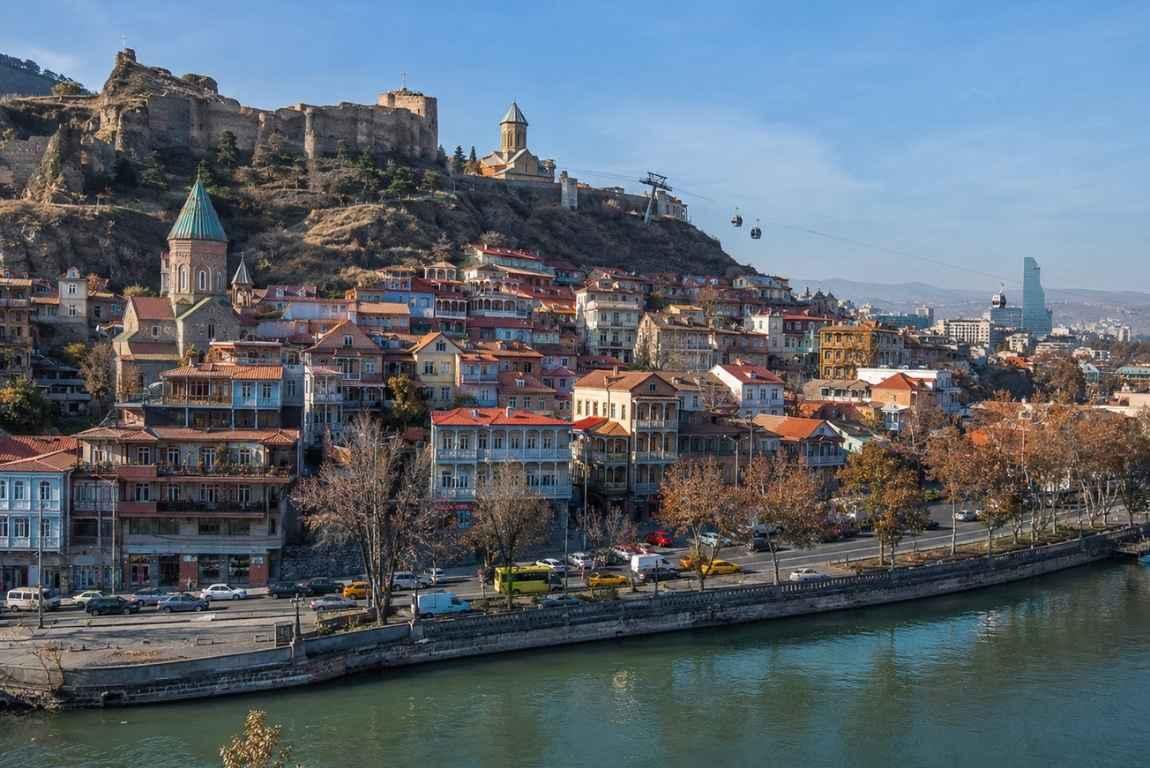
Tbilisi is harder to categorize than most European city breaks because it doesn't look like anywhere else. Soviet-era buildings next to medieval churches next to wine bars pouring from clay qvevri jars.
The food culture is rooted in something ancient. Georgian winemaking goes back 8,000 years and the natural wine you drink here tastes different from what gets exported.
Evenings in the Old Town run long, dinners on terraces that stretch past midnight, sulfur baths in the Abanotubani district, day hikes into the Caucasus that take less than an hour to reach from the center.
Visa-free for most nationalities. Prices are still shockingly low, roughly half of Budapest for a comparable quality of experience.
TripAdvisor trending reports puts it among Europe's most searched destinations for 2026. The crowds haven't arrived yet.
Two things to plan around: July in the city runs hot. The mountains stay cool if you need a break from it. Political demonstrations are possible and worth checking before you go, though they rarely affect tourists.
The Prague/Budapest city-break dupe: Plovdiv, Bulgaria
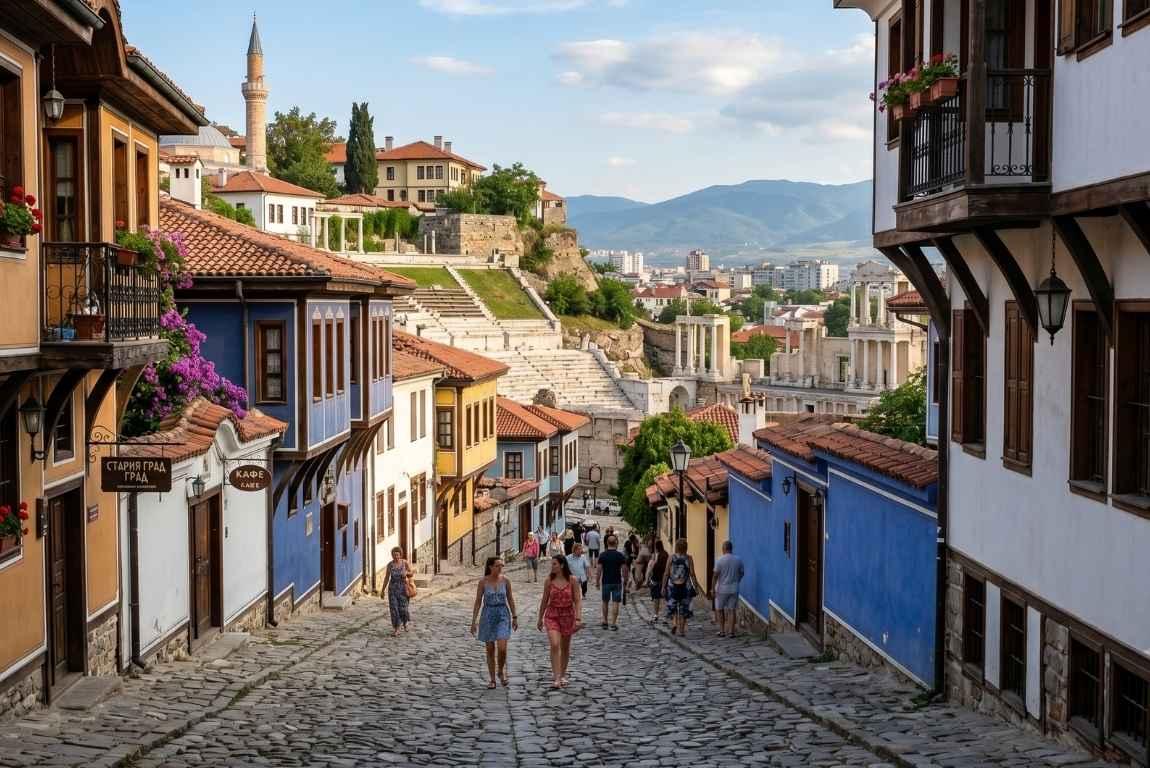
One of the oldest continuously inhabited cities on earth. Plovdiv wears that in a way that feels alive rather than preserved behind glass.
The Roman theater sits open-air in the middle of the city, used for actual concerts in summer.
The old town spreads across three hills in colorful houses with overhanging upper floors. Street art on walls next to ruins. Local cafes that serve locals first.
Restaurants without photo menus in the window. A growing digital nomad and arts scene that discovered the city before the tourist infrastructure caught up.
Time Out named it the number one underrated European destination for 2026. For travelers spending a summer in Europe on a real budget, Plovdiv goes further than Prague, Budapest, or anywhere in Western Europe. July and August run very hot, so June or September gives you the city at its best. The old town is entirely on foot and mostly uphill. Good shoes are not optional.
The Amsterdam/Copenhagen dupe: Gdansk, Poland
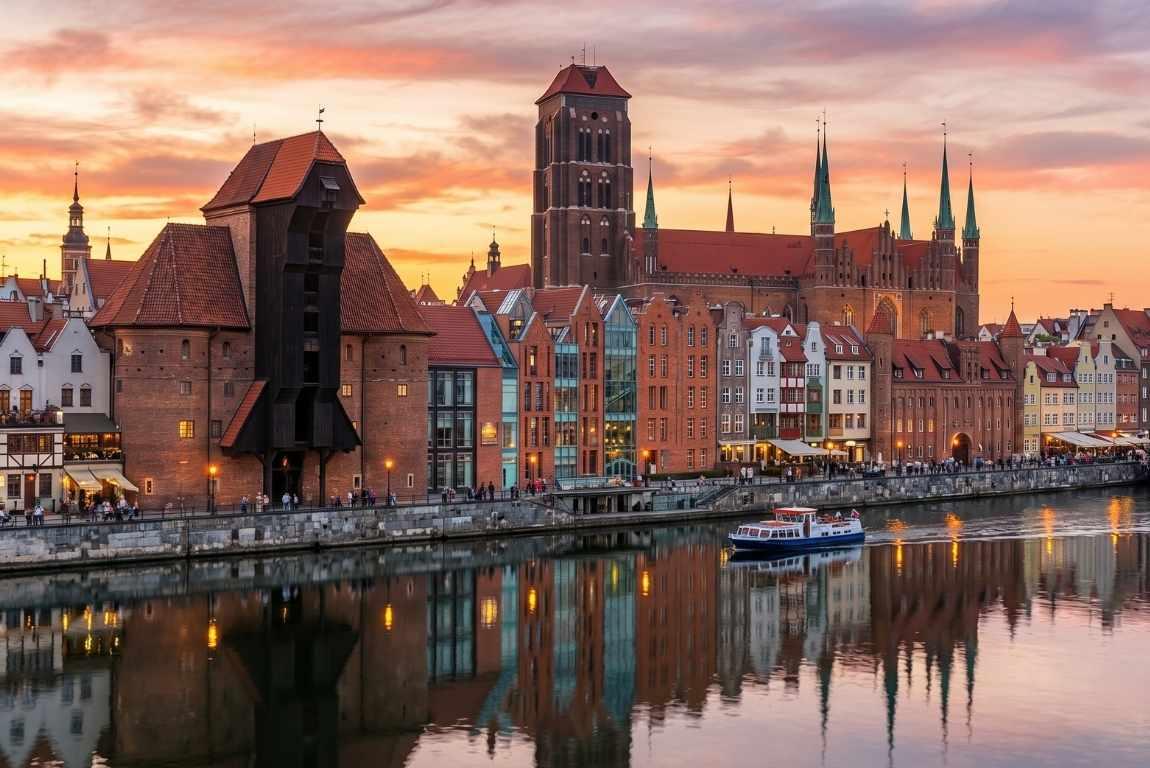
Colorful Hanseatic merchant houses lining the main street, amber beaches a short drive away, long Baltic summer days, a food scene that's improved significantly in the past few years.
Gdansk has the canal-city, old-town charm that draws people to Amsterdam and Copenhagen at a fraction of the price, and without the crowds that have made both of those cities harder to enjoy.
It stays local-feeling even in peak summer, which is rarer than it sounds. July and August for the longest days and warmest water.
Pack for some wind. If the Hel Peninsula is on your list, book those ferries before you think you need to. They sell out.
The Tallinn/Vilnius dupe: Riga, Latvia
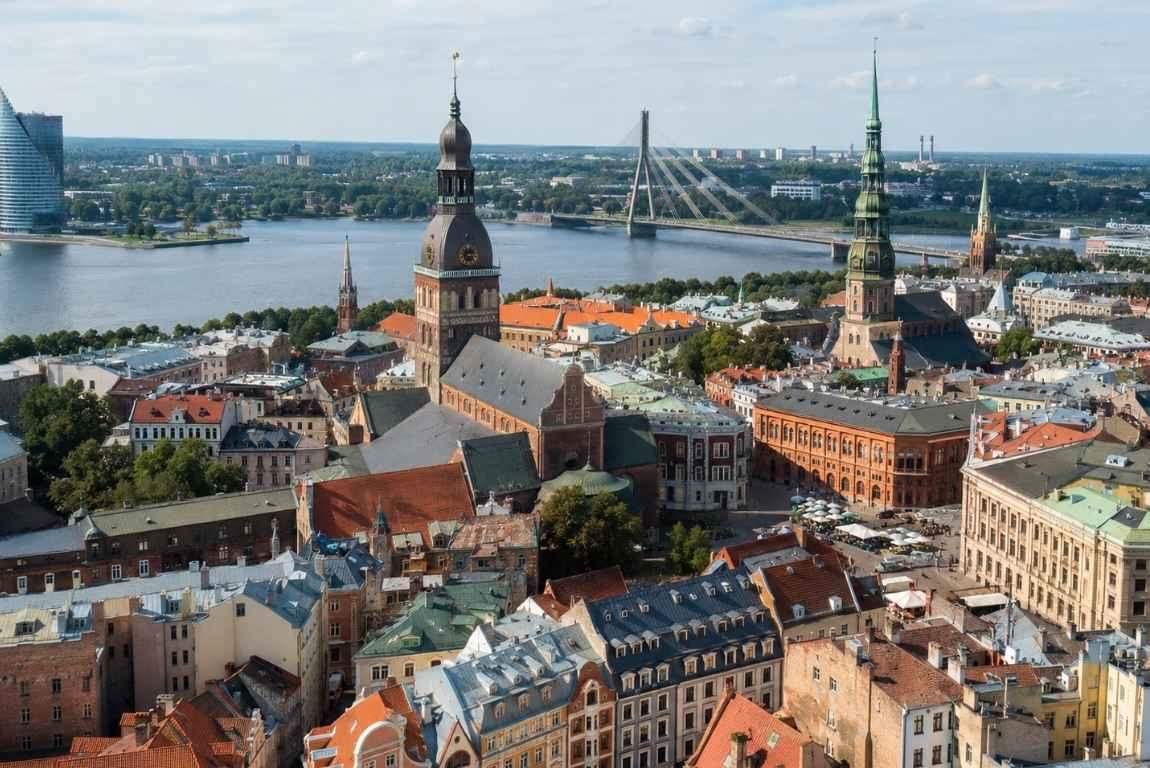
Riga has one of Europe's best collections of Art Nouveau architecture and most Baltic tourists never see it because Tallinn and Vilnius pull the attention.
Vast parks, a lively cafe culture, white nights in June that make evenings feel like they go on forever.
Jurmala is a beach resort town with long sandy shores and wooden villa architecture from the 19th century, 25 minutes from the city center by train.
You get the city and coast combination without paying Scandinavian prices.
Fewer tourists than either of the other Baltic capitals. A solid pick if you're budgeting Europe for the summer without wanting to sacrifice atmosphere.
June through August all work. One honest note: northern European summers are not Mediterranean. Pack a layer for evenings regardless.
The Greek islands dupe: Ohrid, North Macedonia
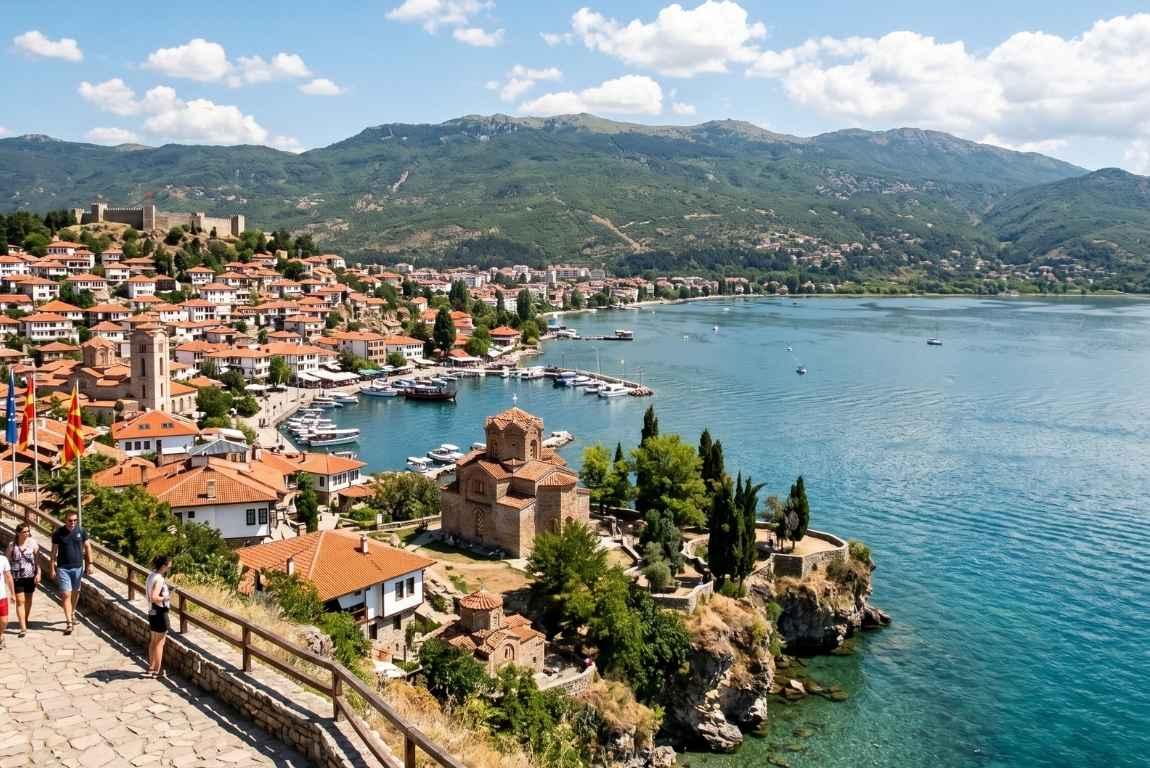
"Switzerland of the Balkans but cheap" is how Reddit travel communities describe it.
Lake Ohrid is ringed by mountains. The water is clear enough to see the bottom from a boat.
Byzantine churches and monasteries on the hillsides above the shore. Fresh fish tavernas right at the water. Mountain hikes starting from town.
It has everything people go to the Greek islands for, except it's landlocked, significantly less expensive, and you can still find a sunbed without getting there at 7am.
No direct international flights. You fly into Skopje or Tirana and drive, which takes a couple of hours. Worth the extra step.
Time Out has been spotlighting the lake region for 2026. June or September for warm water and manageable crowds.
The Amalfi/Cinque Terre dupe: Tropea, Calabria, Italy
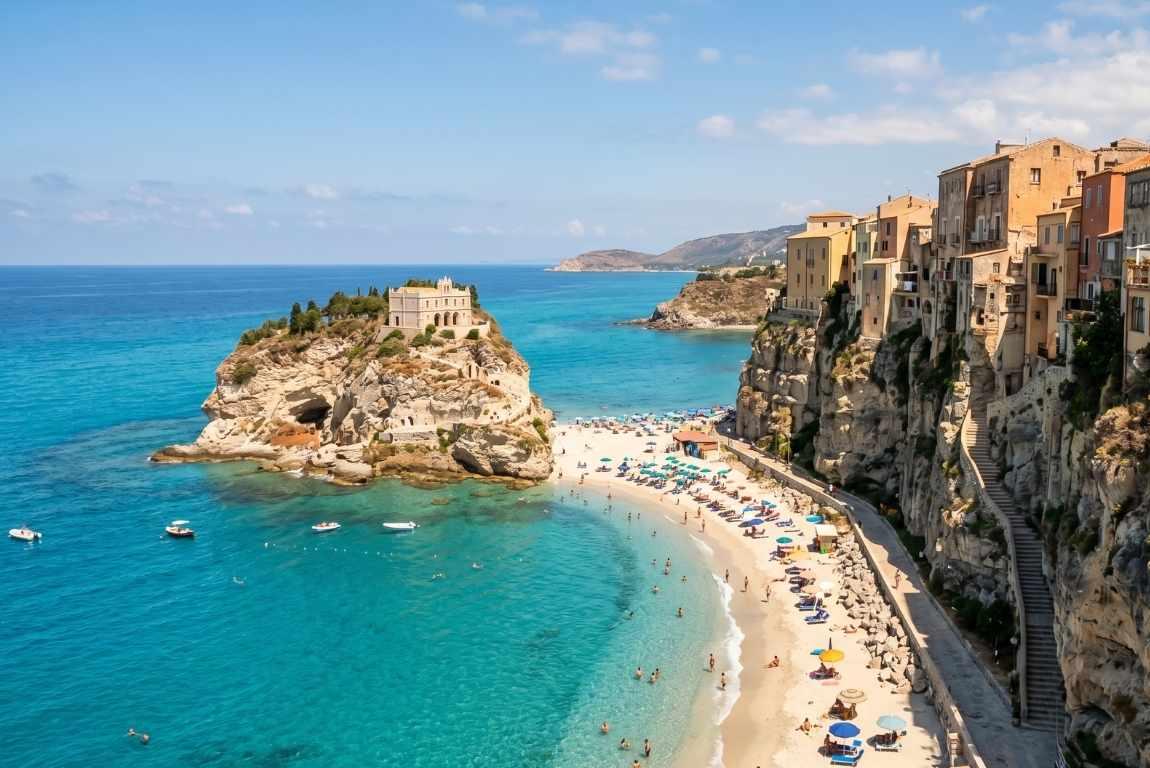
Perched on a cliff above the Tyrrhenian Sea in Calabria, the toe of Italy's boot. White-sand coves below it.
Dramatic coastline in every direction. Authentic southern Italian food, meaning the kind that isn't adjusted for tourist palates. The famous red onions from the local area end up in everything. No yacht crowds. No luxury pricing.
This is what the Amalfi Coast and Cinque Terre felt like before they became the things they are now. For an European summer experience that still has that original coastal Italy energy, Tropea is the answer.
Train access from major Italian cities is genuinely slow, not a minor inconvenience. Rent a car.
It gives you flexibility for the beaches and makes the whole trip easier. June and September are the right months. August is possible but you'll be sharing the coves with a lot of people.
The Cinque Terre base camp dupe: Genoa, Italy
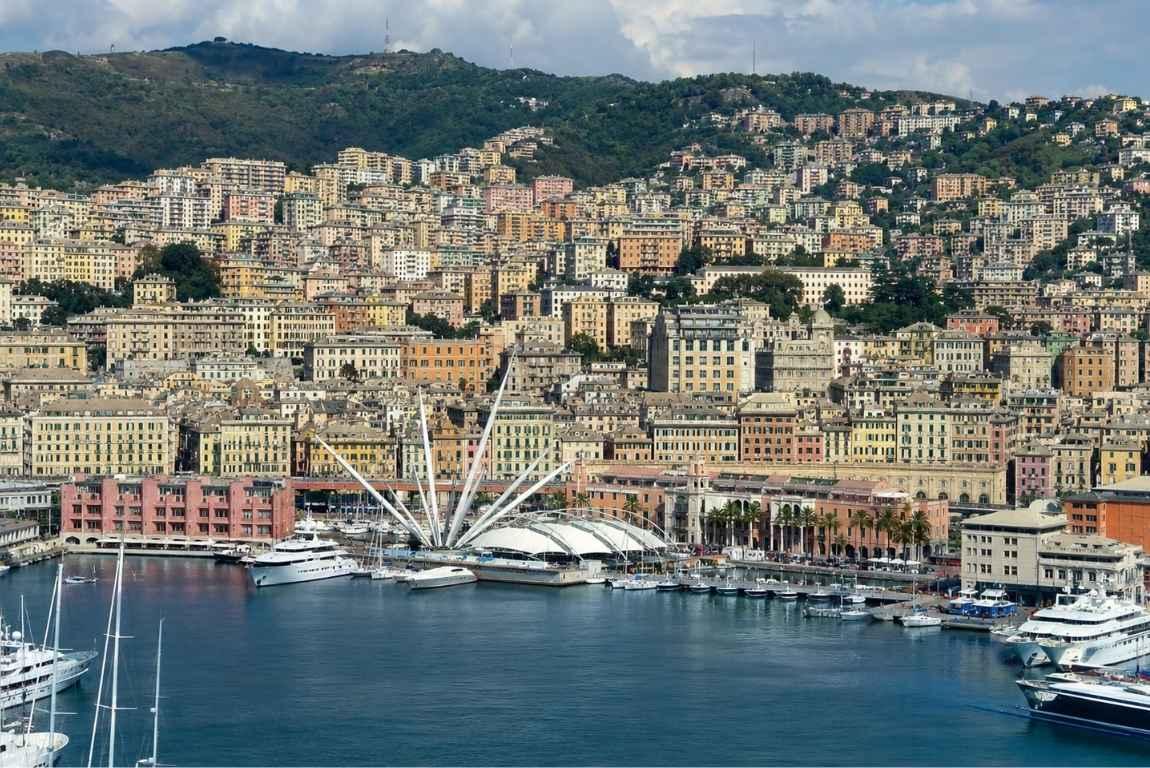
Genoa has a first-impression problem. Arriving by train you see a working port, not a pretty coastal village. That's also what makes it interesting.
The caruggi, Genoa's medieval alleyways, run for miles through the old city with covered markets, hidden 16th century palazzi, churches that most tourists walk past without knowing what's inside.
Pesto was invented here and the versions you eat in the city taste different from what gets exported. Focaccia di Genova. Farinata. Trofie pasta. It's a food city that rarely gets called a food city.
From Genoa you can reach Cinque Terre, Portofino, and the Italian Riviera as day trips, which makes it a practical base for that stretch of coast.
The city rewards people who give it more than a day. TikTok and Instagram have started picking it up recently. The window to be early is still open. June through September all work.
The Venice dupe: Piran, Slovenia
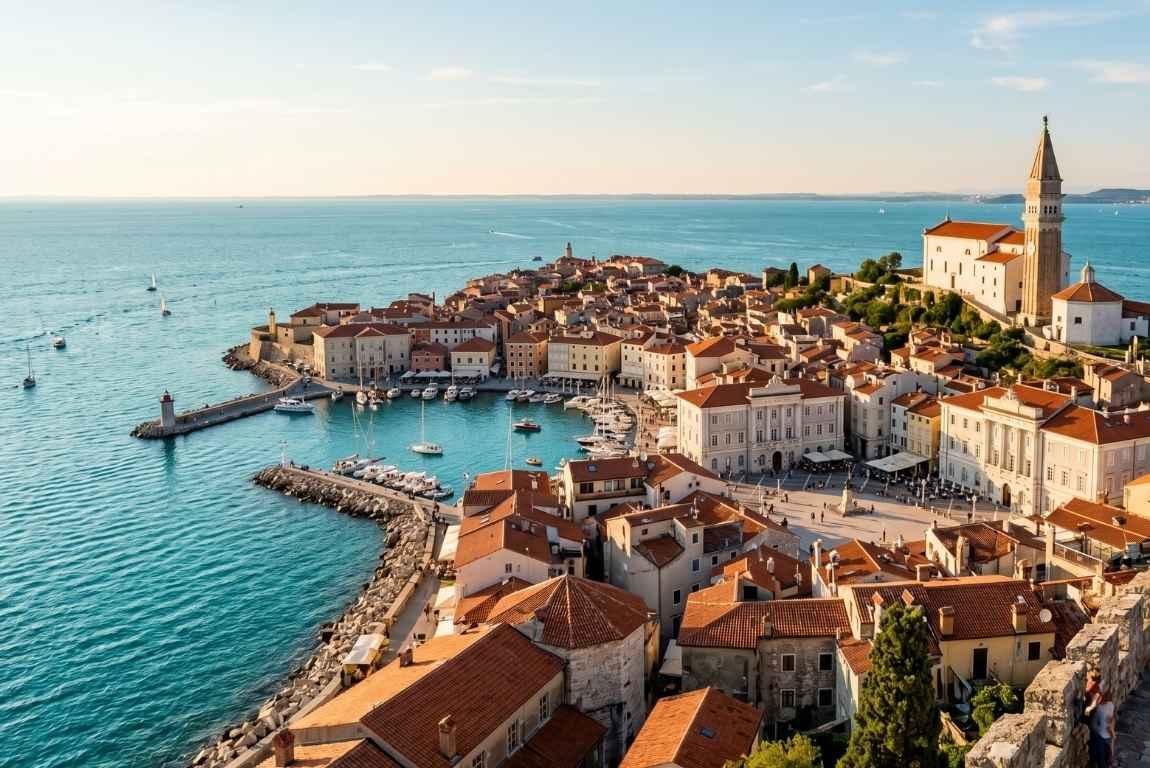
Piran looks like a miniature Venice from across the water. Venetian-style old town, narrow stone streets, a harbor, excellent seafood, salt pans at Secovlje nearby worth a morning visit, and sunsets that bring day-trippers from Ljubljana and Trieste.
What it doesn't have is Venice's current situation, which involves cruise ships and entrance fees and queues for everything.
Piran has a scale you can navigate. Restaurants where you can get a table. A harbor you can sit at without being in anyone's way.
Very small. That's the point and also the thing to plan around. Accommodation books out fast in summer, so move early. June or September.
It also sits between Ljubljana and Istria geographically, which makes it a natural anchor point for a Slovenia or Croatia trip.
5 More Worth Knowing About
Anyone still figuring out where to go for a summer in Europe that doesn't involve queuing for anything: this second tier is where the real value sits right now.
Bitola in North Macedonia is a cultural twin to Ohrid and even quieter, with Roman ruins at Heraclea and a cafe-lined boulevard called Shirok Sokak that locals treat as a living room.
Korcula in Croatia is the Dalmatian island to consider if you're committed to Croatia but want to avoid what Dubrovnik has become.
Sarajevo rewards travelers willing to sit with complicated history, and the food scene is underrated. Cluj-Napoca in Romania has a summer festival calendar and Transylvania day trips practically built into its geography.
Folegandros in Greece is Rick Steves' own recommendation for people who've given up on Santorini and want a Greek island that still feels like one.
Recap: 10 European Summer Destinations in 2026
- Beach and romance, actual budget: Albanian Riviera or Ulcinj. Go in June or September for both.
- Food and wine as the whole point: Tbilisi for wine culture unlike anything in Western Europe, Genoa for Italian food from the source.
- Proper swimming and cliffs: Albanian Riviera or Tropea. Both June or September.
- Culture, walking, history: Plovdiv or Ohrid. Both significantly cheaper than their Western European equivalents and both reward the effort.
- Best pure value: Plovdiv or Ohrid. A lot for very little.
- Book now before the window closes: Albanian Riviera is accelerating fast. Tbilisi is rising but still has room.
- Genuinely still under the radar for a European summer in 2026: Ulcinj, Plovdiv, Ohrid, Piran.
Planning Europe for the summer across two or three of these countries in one trip? A single GigSky Europe eSIM covers 42 countries without swapping plans at any border. There's a free 500MB trial to test it before you leave.