

%2520-%25202026-05-28T125420.710.jpg&w=3840&q=75)


What Is Slow Travel? A Beginner's Guide to Traveling Differently
Slow travel sounds impossible until you see how travelers are turning 10 PTO days into 18-day trips across Europe and beyond.
 by Amira Bula
You've probably heard people talk about "slow travel" lately, usually like they've discovered some secret to enjoying trips more.
But before getting into how it works, it's worth understanding what is slow travel and why it keeps showing up in conversations about how people want to travel differently.
If you're planning a trip where you'd rather stay connected without looking for local SIMs at every destination, GigSky's flexible eSIM data plans cover you whether you're gone for two weeks or a full month, across 200+ countries.
Slow Travel Meaning
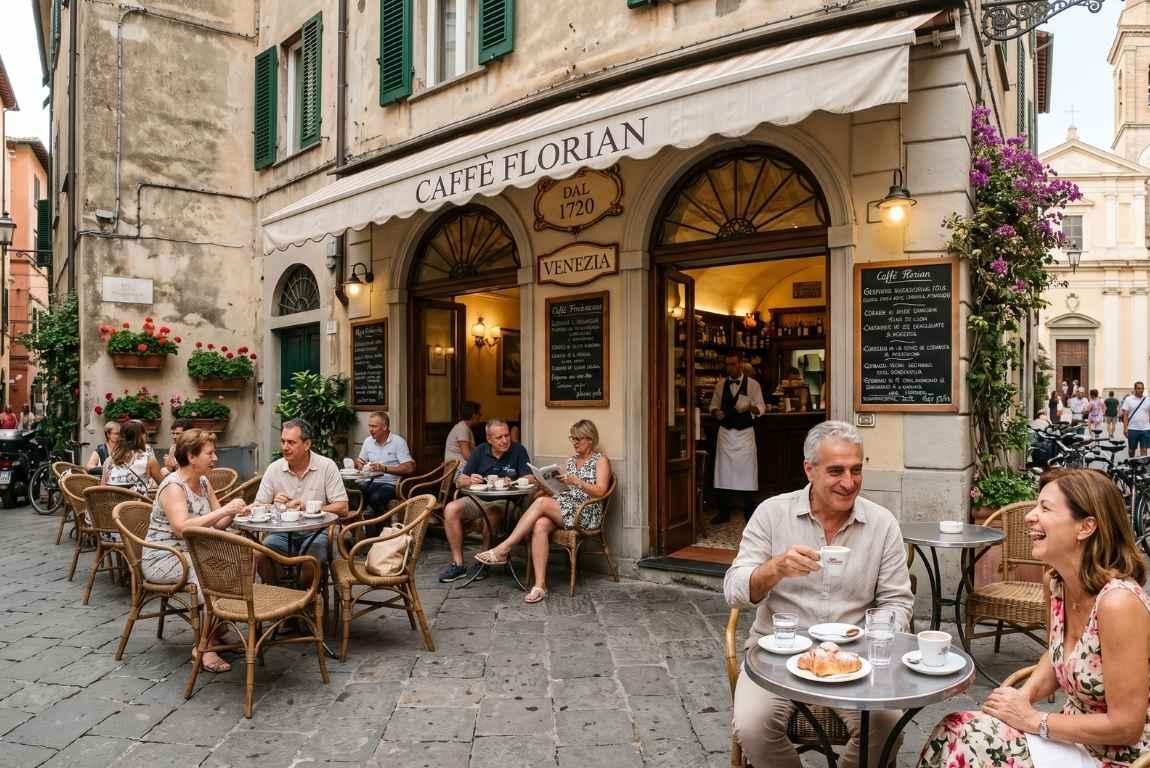
Slow travel starts with a mindset, not a number of days. The general idea is spending more time in fewer places, long enough to move past the tourist layer and get a feel for how a place works day to day.
The classic version looks like renting an apartment instead of a hotel, finding a coffee shop you go back to on day three, learning which bus gets you to the market on Saturday morning.
You stop asking 'what's the must-see?' and start noticing things that aren't on any list.
For some travelers, slow travel means two weeks in one city. For others, it's a month in a region, with day trips out from a central base.
There's no single definition. What most people agree on is that it's the opposite of moving every two or three days, checking items off an itinerary, and returning home more tired than when you left.
Where the Tension Comes From
Most people who talk about slow travelling do it with a certain wistfulness. They want it. They describe exactly what appeals to them about it.
Then they say something like, 'but I only get 16 days of PTO and half of that goes to the holidays.'
That's the real friction. It's not a lack of interest. It's time scarcity. And for a lot of US-based travelers in particular, that scarcity feels structural.
You're not lazy or unambitious. You just have constraints that make a month in one place feel mathematically impossible.
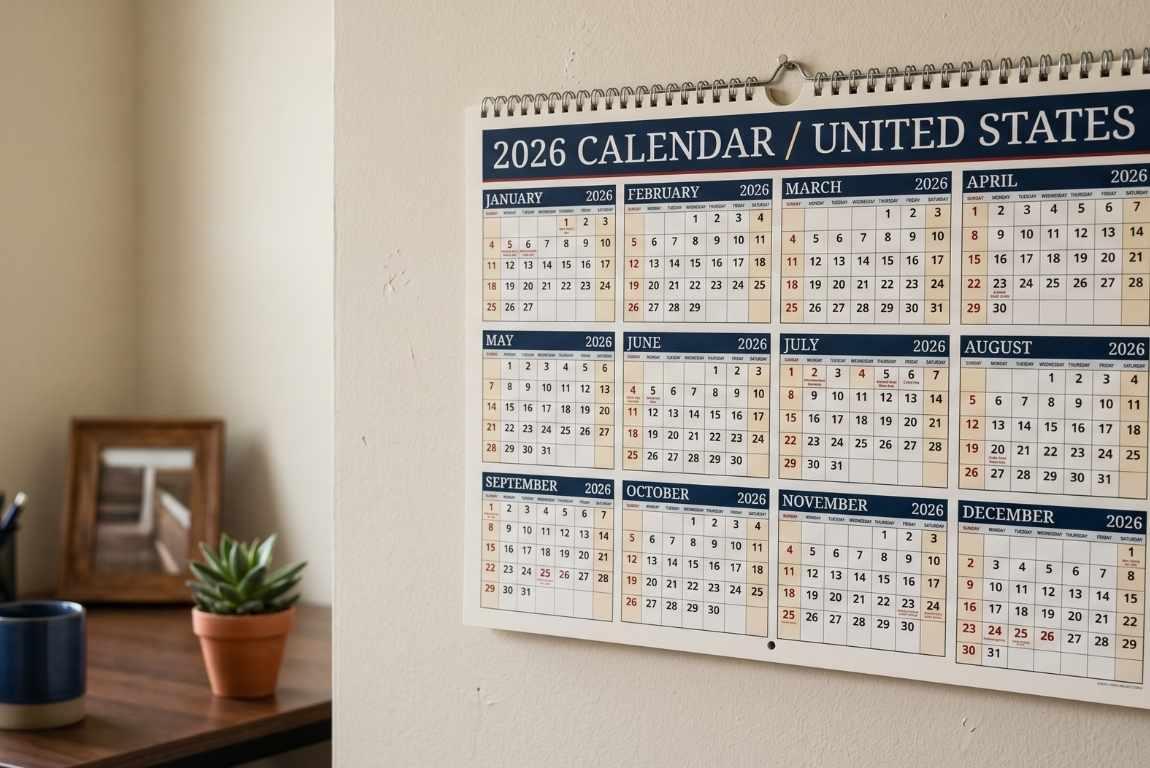
But here's what the math looks like when you run it. A well-placed 10 days of PTO, stacked around a holiday weekend and a federal holiday, can yield 18 or more consecutive travel days.
Consultancies that track PTO calendars have documented cases where 10 to 15 PTO days produce 45 to 55 total vacation days annually when used strategically. It requires early planning and some flexibility, but it's real.
The point isn't that everyone can slow travel if they just try harder. Some constraints are genuine. The point is that the ceiling is higher than most people assume.
Why Memories Work Differently When You Slow Down
There's something that happens around day four or five of staying in one place. You stop orienting.
The streets start to feel familiar. You find yourself walking somewhere without checking your phone because you already know roughly where things are.
That familiarity is what makes a trip memorable. Rushed itineraries tend to blur.
You get home and you remember impressions rather than specific moments. You couldn't say, for example, which city had the better market or how the light looked at 7am in that particular square, because you weren't there long enough for any of it to land.
Travelers who've gone back to slow travel after years of fast-paced trips describe the same thing. The places they lingered are the ones they can still talk about in detail years later.
The places they passed through in 48 hours tend to merge together.
This isn't a judgment of either approach. Fast travel suits certain situations, certain life stages, certain first visits to a region where you genuinely don't know yet which place would earn a longer stay.
But if you want to walk away with memories that actually stick, time is the one variable that matters most.
The Slow Travel Meaning for Digital Nomads and Remote Workers
Remote work changed this conversation in ways that are still playing out.
When your laptop comes with you and your team is used to asynchronous communication, the geography of work loosens up.
You can be in Lisbon or Oaxaca or Chiang Mai and still be at your desk by 9am your team's time.
The nomad version of slow travel typically means staying six weeks or more in each location rather than moving every few days.
That length of stay gets you monthly apartment rates instead of nightly hotel rates. It gives you time to find the grocery store, figure out the neighborhood, and stop treating every meal like a tourist decision.
Not everyone's job allows it. Time zones, visa rules, and the nature of in-person industries all push back.
But for the subset of people with location flexibility, slow travel isn't an aspiration anymore. It's already their default.
Staying Connected While You Slow Down

One practical consideration that comes up when you're traveling for longer stretches is connectivity. This matters differently than it does on a five-day trip.
Over two weeks or a month, you're not just checking in on emails at the hotel. You might be working, video-calling, navigating neighborhoods you don't know, or staying reachable for family back home.
Looking for a local SIM at every new destination gets old fast, especially when you're moving between countries, even slowly.
GigSky works differently from most eSIM providers because it's built as a mobile virtual network operator, not a reseller.
That means it connects automatically to the strongest local network when you arrive, without any manual setup. You install the eSIM once, and it works across 200+ countries from that point on.
For slow travelers specifically, GigSky offers plans with validity up to 12 months, plus a subscription option called GigSky One that covers 120+ countries.
Eligible Visa cardholders also get access to free data in select destinations. If you haven't tried it, GigSky offers free trials up to 5GB at no cost, so you can test the coverage before committing to a longer trip.
How to Start Slow Travelling
If what is slow travel is something you've been curious about but aren't sure how to shift toward, a few things tend to help.
The first is picking one place and resisting the urge to add more. If you're going to Portugal for 12 days, stay in Lisbon the whole time instead of splitting it between Lisbon, Porto, and the Algarve.
Use Lisbon as a base and take day trips to the places you're curious about. You'll spend less time packing and unpacking, less money on inter-city transport, and more time actually being somewhere.
The second is letting the first two days be slow. Most trips start with a burst of activity because you feel like the clock is running.
Give yourself permission to do almost nothing on day one. Walk. Eat. Sleep well. You'll get more out of the following days than if you'd pushed through.
The third is going back. The travelers who get the most out of slow travel are often the ones who return to the same places.
The second visit changes everything. You arrive with context, you know what you missed last time, and you're not orienting from scratch.
What Is Slow Travel, and What It Isn’t
It's worth naming a few misconceptions directly.
Slow travel isn't always cheaper. Monthly apartment rentals can be less expensive per night than hotels, but slow travel doesn't automatically save money.
It depends heavily on the destination and what you're comparing it to.
It also isn't for everyone in every situation. Slow travel works best when you have enough flexibility, financial or structural, to actually extend your stay.
Telling someone with 10 days off and a once-a-year trip budget to slow down isn't advice. It's a suggestion that ignores their reality.
And it definitely isn't a morally superior way to travel. The people who move fast aren't doing it wrong. They're making the most of what they have.
Some of the richest travel experiences happen in 48 hours. The goal isn't to travel slowly for its own sake. The goal is to travel in a way that leaves you with something worth carrying home.
Recap: What Is Slow Travel
- Slow travel meaning: spending more time in fewer places, long enough for a destination to start feeling familiar.
- The core tension for most US-based travelers is limited PTO, not lack of interest. Strategic calendar planning can extend travel windows significantly.
- Memories from slow travel tend to be more specific and durable than those from fast-paced itineraries.
- Remote work has made slow travel a practical reality for a growing subset of travelers, not just an aspiration.
- Connectivity matters more on longer trips. GigSky's eSIM auto-connects in 200+ countries with no manual setup, and offers flexible plans with long validity for extended stays.
- Starting slow: pick one base, resist the urge to add destinations, and let the first day breathe.
- Slow travel isn't universally cheaper, always possible, or morally better. It's one way of traveling, and it fits some trips more than others.